
Elisolimax slug
Elisolimax
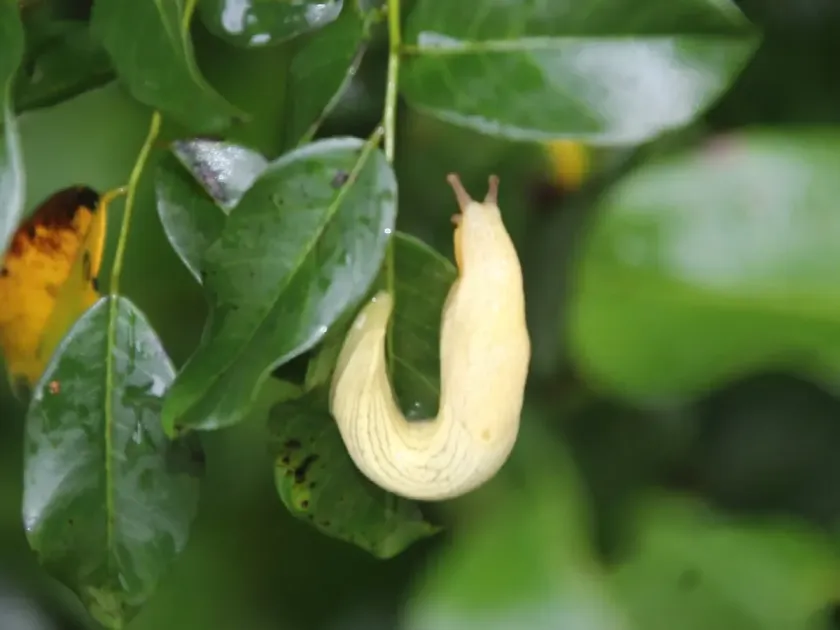
Description
How to identify
The Elisolimax genus belongs to the Ulimacidae family. These terrestrial gastropod mollusks are characterized by the absence of an external shell, allowing them to navigate through narrow crevices and dense vegetation.
Their bodies are covered in a protective mucus that prevents desiccation and facilitates movement across surfaces. The coloration ranges from grayish to brownish, providing excellent camouflage against soil and organic debris.
These slugs are primarily nocturnal, retreating to dark, moist habitats such as under stones, decaying wood, or deep soil layers during the day to avoid heat and predation.
The life cycle encompasses egg, juvenile, and adult stages. As hermaphrodites, they possess a high reproductive capacity, enabling rapid population growth under favorable environmental conditions, especially during wet seasons.
While taxonomic classification of Elisolimax requires specialist analysis, field identification relies on observing their specific physical characteristics and their tell-tale slime trails left during nocturnal foraging.
What it damages
Elisolimax slugs are generalist feeders, meaning they target a vast array of crops. Their dietary flexibility allows them to infest vegetables, berry crops, and various ornamental plants indiscriminately.
Seedlings are particularly vulnerable; slugs can strip young plants of their leaves and growth points overnight, leading to complete crop failure in early vegetative stages.
Root vegetables, such as carrots, potatoes, and beets, suffer from deep, irregular cavities eaten into the tissue. This damage ruins the commercial value of the product and introduces secondary rot pathogens.
Berries, including strawberries, are frequently attacked by these mollusks, rendering the fruit inedible. In years with high rainfall, the impact on berry yields can be devastating for commercial growers.
By grazing on plant tissues, slugs create open wounds that serve as entry points for bacterial and fungal infections, further degrading the overall health and vigor of the affected plants.
Signs of infestation
The most reliable indicator of a slug infestation is the presence of silvery, dried mucus trails on leaves, stems, and the surrounding soil surface following a damp night.
Leaves exhibit irregular holes with ragged edges. Unlike many insects that skeletonize foliage, slugs consume large sections of the leaf blade, often leaving only the major veins behind.
Root crops often show deep, crater-like pits. The interior of these pits is frequently coated with a thin layer of residue, confirming the activity of a gastropod pest.
Active specimens can be observed during the evening or early morning by inspecting dark, humid microhabitats like garden debris, mulch, or low-hanging plant foliage.
Rapid disappearance of vegetable seedlings, combined with visible silver trails nearby, is a definitive sign that a slug population is actively feeding in the area.
Control measures
Cultural control measures include maintaining good field sanitation by removing weeds and plant debris, which serves as a daytime refuge for the slugs.
Physical barriers such as crushed eggshells, gravel, or coarse sand placed around high-value plants can irritate the soft skin of slugs, effectively deterring them from reaching the foliage.
Chemical control involving molluscicides, particularly those based on iron phosphate, provides an effective solution when spread around the base of plants during periods of high activity.
Biological control encourages the presence of natural predators, such as toads, hedgehogs, and ground beetles, which can help keep the mollusk population in check naturally.
Effective management requires consistent monitoring of humidity levels and the implementation of regular soil cultivation to destroy slug shelters and disrupt their breeding cycle.
Taxonomy
- Latin name
- Elisolimax
- Order
- Molluscs
- Family
- Urocyclidae
- EPPO code
- ELMXSP
Discussion
No discussions yet — be the first.