
Yellow slug
Elisolimax flavescens
Description
How to identify
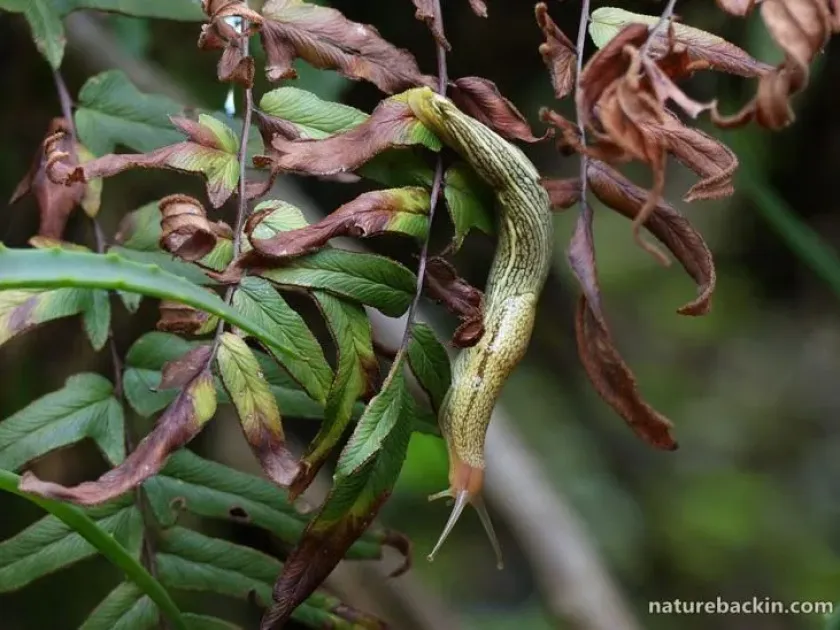
The yellow slug (Limacus flavus, often referred to as Elisolimax flavescens) is a significant terrestrial gastropod mollusk belonging to the Limacidae family. Adults typically measure between 10 to 12 cm in length and exhibit a distinct yellowish-brown or lemon-colored skin with small, lighter-colored spots.
A key identifying feature of this species is the well-developed mantle covering about one-third of the body's length. The skin is covered in a thick, protective layer of mucus, which assists the slug in navigating both horizontal and vertical surfaces with ease.
This species is predominantly nocturnal, thriving in damp, shaded environments. They are frequently found in cellars, greenhouses, under garden debris, or within dense vegetation where they are shielded from direct sunlight and dry air.
Being a hermaphrodite, this slug possesses both male and female reproductive organs, which allows it to reproduce efficiently in various conditions. They use sensitive tentacles on their heads for both sensory exploration and navigation in dark environments.
Their mouthparts feature a radula, a specialized feeding organ covered with microscopic teeth, designed to scrape and shred plant tissues. This structural adaptation makes them highly efficient at consuming everything from soft leaf blades to thick stems.
What it damages
The yellow slug is a generalist feeder, known as a polyphage, meaning it consumes a wide variety of plant material. They cause extensive damage to leafy greens such as lettuce, cabbage, and young vegetable seedlings like tomatoes and peppers.
Berries, particularly strawberries, are highly susceptible to slug damage. The slugs gouge deep cavities into the fruit, which often leads to rapid decay and the spread of fungal pathogens, effectively ruining the entire harvest.
In ornamental gardens, this pest often targets hostas, marigolds, and other succulent plants. They consume tender shoots and leaves, leaving behind irregular holes and trails of mucus that significantly degrade the aesthetic value of the garden.
Beyond the direct consumption of plant material, these slugs serve as vectors for various plant diseases. As they move across leaves, they can carry and deposit fungal spores and bacterial pathogens that cause rot and wilting in previously healthy plants.
In indoor storage areas, such as sheds or basements, yellow slugs can become a serious problem by feeding on stored root vegetables and tubers. Their presence in these areas often goes unnoticed until significant damage to stored stocks has already occurred.
When it appears
The life cycle and activity of the yellow slug are heavily dependent on humidity and ambient temperature. Activity typically peaks during the wet spring months and throughout the autumn when moisture levels in the soil and air are high.
During the heat of the summer, these mollusks often retreat into the deeper layers of the soil or hide in dark, humid crevices to avoid desiccation. They emerge to feed primarily during rainy weather or at night when humidity levels rise.
Reproduction occurs throughout the warm season, with each individual capable of laying hundreds of eggs in clusters. These eggs are jelly-like and are typically hidden in moist soil, under rocks, or beneath decaying organic matter.
The development from egg to juvenile slug is relatively rapid, taking only a few weeks under optimal conditions. Upon hatching, the young slugs begin feeding immediately, leading to a fast increase in population size throughout the growing season.
These slugs can overwinter in either the adult or egg stage, depending on local temperatures. In mild climates or heated greenhouse environments, they may maintain activity throughout the entire year, posing a year-round threat to cultivation.
Signs of infestation
The most prominent sign of a yellow slug infestation is the presence of shiny, silvery mucus trails left behind as they move. These trails are easily visible on leaves, soil surfaces, and garden paths, especially after the mucus dries.
Damage to foliage is characterized by irregular, ragged holes in the middle of leaf blades or along the edges. In severe infestations, the plants may appear defoliated, with only the main veins remaining intact.
Deep, scooped-out lesions on fruits and vegetables are a classic indicator of slug feeding. Unlike chewing insects, slugs leave behind wet, decaying wounds that often show signs of secondary infection shortly after the initial bite.
Small, dark, elongated fecal droppings found on the soil surface near plants are a reliable sign of recent slug activity. These droppings are often overlooked but serve as a clear indicator of where the population is concentrated.
Sudden wilting or the loss of young seedlings often points to nocturnal feeding. By visiting the garden at night with a flashlight, gardeners can confirm the presence of these pests as they feed on the succulent stems of young plants.
Control measures
Effective cultural control involves sanitation, such as removing potential hiding spots like boards, rocks, and piles of garden debris. Regularly hoeing the soil helps to destroy egg clutches and disrupts the life cycle of the slug population.
Mechanical barriers can be highly effective when applied around vulnerable plants. Spreading coarse materials like crushed eggshells, wood ash, or gravel around stems creates an uncomfortable surface that deters slugs from reaching the plant.
Setting up simple traps, such as beer traps or hollowed-out citrus rinds, can help reduce population numbers. These traps should be monitored daily, and trapped slugs should be disposed of to prevent further damage to the crops.
For chemical control, products containing iron phosphate are recommended. These are widely considered to be safer for pets and wildlife compared to older metaldehyde baits and are often approved for use in organic gardening practices.
Encouraging natural predators such as hedgehogs, toads, ground beetles, and certain birds helps maintain an ecological balance. A healthy garden ecosystem is often the best defense against persistent mollusk infestations over the long term.
Taxonomy
- Latin name
- Elisolimax flavescens
- Order
- Molluscs
- Family
- Urocyclidae
- EPPO code
- UROYFL
Discussion
No discussions yet — be the first.