
Ummeliata
Ummeliata
Description
How to identify
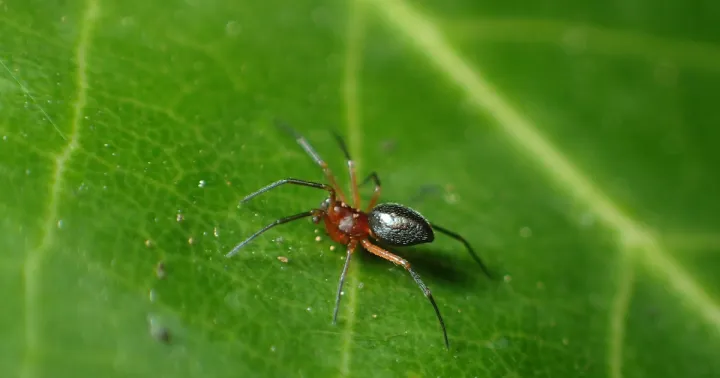
Ummeliata is a genus of spiders belonging to the Linyphiidae family, commonly found in agricultural landscapes. These spiders are known for their small size and cryptic behavior, making them easily overlooked in the field.
The body coloration typically ranges from dark brown to black, which serves as a camouflage against soil particles, organic debris, and plant stems. Their morphology is relatively uniform across the genus.
They are known as "sheet-web spiders," constructing thin, horizontal webs near the soil surface. These webs are primary tools for capturing small insects that inhabit the soil-plant interface.
From an agronomic perspective, identifying Ummeliata at the species level requires specialized taxonomic examination of reproductive organs, as field identification is largely restricted to the genus level.
Their biological success is tied to soil moisture and the presence of micro-habitats that provide protection from predators and extreme weather conditions.
What it damages
Ummeliata does not directly consume plant tissues. However, their presence can cause significant indirect damage to crops by creating environmental stressors at the base of the plant.
The dense webbing constructed around young stems and leaves can physically impede plant development, hindering gas exchange and reducing the efficiency of photosynthesis during crucial early growth stages.
By trapping moisture in their webs, these spiders create humid micro-environments that are highly conducive to the proliferation of various fungal pathogens and bacterial infections on crops.
In indoor crop production like greenhouses, the accumulation of webs, molted skins, and waste products from these spiders can soil the foliage, severely reducing the aesthetic and market value of the produce.
Furthermore, their predatory behavior can disrupt the natural balance of beneficial insects (such as parasitoid wasps or predatory mites) that help maintain control over primary crop pests like aphids or thrips.
When it appears
The activity of Ummeliata is most pronounced during periods of high humidity and moderate temperatures, which generally correspond to the spring and autumn growing seasons.
In spring, as temperatures rise, overwintering individuals become active and begin colonizing new crop sprouts. This is the period when they can be most detrimental to young seedlings.
During the peak of summer, they often retreat into deeper shade or more humid parts of the vegetation canopy to survive higher temperatures and drier conditions.
The second peak of activity typically occurs after late-summer rainfall, which facilitates the growth and reproduction cycles of the spider population in the maturing crop canopy.
The lifecycle includes several instar stages, all of which remain within the vicinity of the web, ensuring that the infestation remains concentrated in specific areas of the field throughout the season.
Control measures
Integrated Pest Management (IPM) for Ummeliata focuses on disrupting their habitat rather than relying on broad-spectrum pesticides, which can harm beneficial insect populations.
Maintaining proper ventilation in greenhouses is essential to reducing the humidity levels that these spiders require for web construction and overall survival.
Consistent mechanical soil cultivation, such as inter-row hoeing, is highly effective at destroying webs and disrupting the predatory activity of these spiders within the crop rows.
- Optimize irrigation schedules to avoid stagnant moisture near the roots.
- Remove weeds that act as refugia for spider populations.
- Monitor the presence of natural enemies to decide if intervention is truly necessary.
When necessary, specific biological controls or highly targeted acaricides may be used, though preventative cultural practices remain the most sustainable long-term strategy for crop protection.
Taxonomy
- Latin name
- Ummeliata
- Family
- Linyphiidae
- EPPO code
- UMMESP
Discussion
No discussions yet — be the first.