
Erigone prominens
Erigone prominens
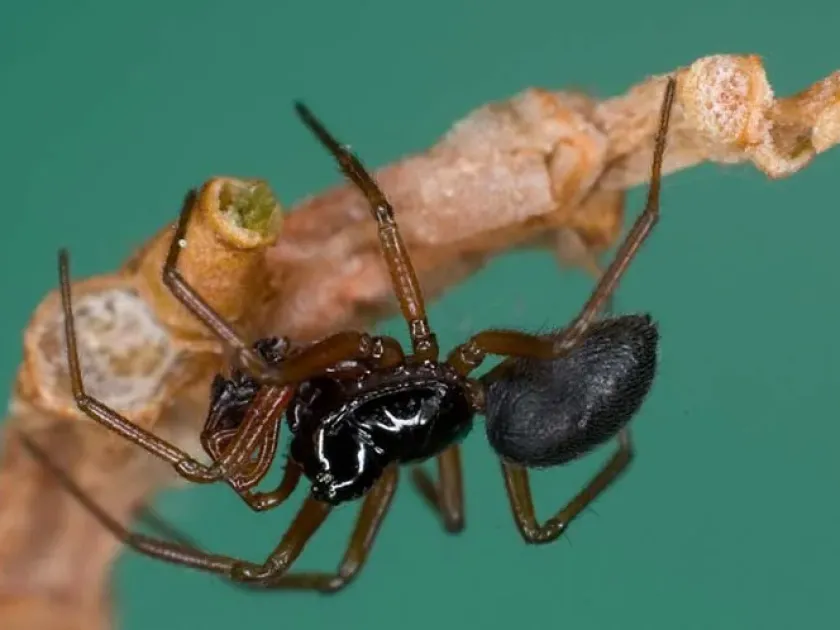
Description
How to identify
Erigone prominens is a small spider belonging to the Linyphiidae family, widely known for its ability to inhabit various agricultural ecosystems, particularly rice paddies.
Adult individuals are typically very small, measuring between 2 to 3 mm in length, which makes them difficult to observe without specialized equipment.
The body coloration is generally dark brown or black, providing excellent camouflage against the soil and the dark, damp environment of the field floor.
The males possess distinct morphological features, specifically specialized protrusions on their cephalothorax, which are a defining characteristic for taxonomical identification.
These spiders are adept at ballooning—a dispersal behavior where they use silken threads to travel on air currents, allowing them to colonize new fields rapidly.
What it damages
While primarily predatory, Erigone prominens can become a nuisance in agricultural settings when their populations reach high densities.
The main form of damage is the construction of dense, fine silk webs across the canopy of young rice plants, which interferes with sunlight absorption.
These webs can physically wrap around leaf blades, inhibiting the plant's ability to undergo normal photosynthesis and gas exchange during critical growth stages.
The increased humidity trapped beneath the web layers often creates an ideal microclimate for the development of secondary fungal and bacterial diseases.
Chronic infestation results in stunted growth and diminished yield quality due to the continuous physiological stress imposed on the crop by the spider's activity.
When it appears
The activity period of Erigone prominens typically begins in the early spring, following the warming of the soil and the start of the planting cycle.
Peak population levels are usually reached during the summer months when high humidity and steady temperatures provide optimal conditions for reproduction.
Overwintering occurs in the adult stage, with spiders finding shelter in soil crevices, plant debris, or along the edges of agricultural plots.
Reproductive phases coincide with the vegetative stage of rice crops, allowing the spiders to establish their webs on the developing foliage.
As the season shifts toward autumn, spider activity gradually declines, leading to a period of dormancy in protected microhabitats.
Signs of infestation
The most prominent sign of infestation is the appearance of dense, sticky, and shiny silk webs covering the tops of young plants, especially visible in early morning.
The presence of fine webbing draped between leaves and stalks, often holding droplets of dew, serves as a clear indicator of a resident spider population.
Yellowing or distorted leaf tips in areas where webbing is most concentrated indicate physical damage to the plant tissue caused by the silk's tension.
Reduced crop vigor in specific patches of the field, contrasting with healthy areas, often points to an underlying pest colonization issue.
A simple check involves gently shaking plants over a white surface, which will reveal the presence of these tiny, dark-colored spiders.
Control measures
Cultural practices, such as deep plowing and thorough soil preparation, are essential for destroying overwintering sites and reducing the initial population.
Effective weed management on field borders is crucial, as unmanaged vegetation acts as a bridge for spiders to enter the crop fields.
Adjusting irrigation schedules to create temporary drying periods can disrupt the microclimate required by the spiders to maintain their webs.
When infestation levels exceed the economic threshold, the application of targeted insecticides labeled for spider control may be necessary to protect the yield.
Regular monitoring through visual inspections and population counts allows for proactive management before the webbing becomes widespread.
Taxonomy
- Latin name
- Erigone prominens
- Family
- Linyphiidae
- EPPO code
- ERGOPR
Discussion
No discussions yet — be the first.