
Tyrannophasma
Tyrannophasma
Description
How to identify
Tyrannophasma is a genus of insects within the order Phasmatodea, belonging to the family Diapheromeridae. These insects are highly specialized herbivores known for their exceptional camouflage abilities.
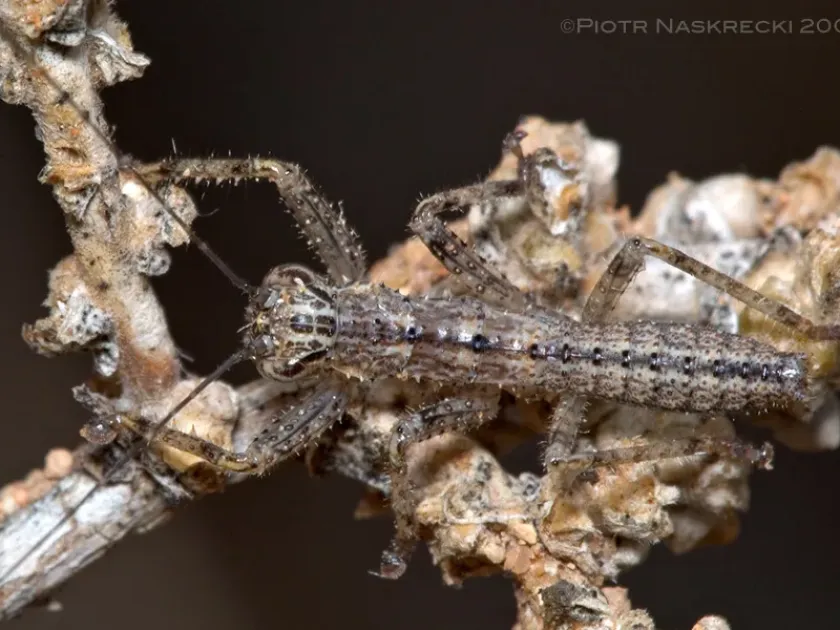
Adult insects exhibit elongated bodies that closely mimic twigs or bark, which provides a significant survival advantage by rendering them nearly invisible to predators within the plant canopy.
The life cycle involves incomplete metamorphosis, meaning the nymphs resemble miniature versions of the adults but exhibit higher levels of mobility during their developmental stages.
They are primarily found in regions with dense vegetation, as they require a high-humidity environment and consistent access to leafy forage to complete their growth cycle successfully.
Their evolutionary history is linked to other leaf-feeding stick insects, contributing to their high reproductive potential when environmental conditions remain stable and favorable.
What it damages
This pest mainly targets deciduous trees and various shrub species, causing significant damage by feeding on soft leaf tissues during the peak growing season.
Damage is characterized by extensive leaf consumption, which can lead to severe defoliation of trees if population densities are high enough to overwhelm the plant's recovery capacity.
The reduction in photosynthetic leaf area directly limits the plant's ability to produce energy, ultimately slowing down its growth and reducing overall crop yield and quality.
Chronic infestation weakens the plant's structural integrity and physiological health, making it significantly more susceptible to secondary infections and opportunistic fungal pathogens.
In nurseries and young orchards, the damage caused by Tyrannophasma can be particularly detrimental, often leading to stunted growth and loss of aesthetic or commercial value of the plants.
Signs of infestation
The first indicator of infestation is usually the presence of irregular bite marks along the leaf edges, which are often mistaken for damage caused by other leaf-chewing insects.
Accumulated frass (insect excrement) beneath the affected tree canopy is a strong indicator of an active population, as these insects consume large volumes of plant material.
Careful inspection of branches might reveal anomalies that do not match the natural structure of the wood; these are often camouflaged insects holding onto the stems.
Premature leaf drop or yellowing of specific tree sections, without obvious signs of common plant diseases, frequently signals the presence of hidden insect activity.
- Visual inspection of branches during early morning hours.
- Using white collection sheets under branches to detect falling insects.
- Monitoring for unusual twig-like formations on leaves.
Control measures
Chemical control involves the application of broad-spectrum contact insecticides, which are most effective when timed with the emergence of nymphs to stop the cycle early.
Sanitation practices such as removing dead wood and properly pruning can significantly decrease the availability of shelter and egg-laying sites for the insects.
Enhancing the presence of natural predators, such as birds and beneficial predatory insects, provides a sustainable way to keep population numbers below the economic threshold.
Installing physical barriers on tree trunks can prevent immature stages from reaching the foliage, significantly reducing the impact on the upper canopy of the plant.
Regular scouting of plantations is essential for early detection, allowing growers to implement targeted interventions that minimize the need for widespread pesticide spraying.
Taxonomy
- Latin name
- Tyrannophasma
- Family
- Mantophasmidae
- EPPO code
- TYRPSP
Discussion
No discussions yet — be the first.