
Mantophasma
Mantophasma
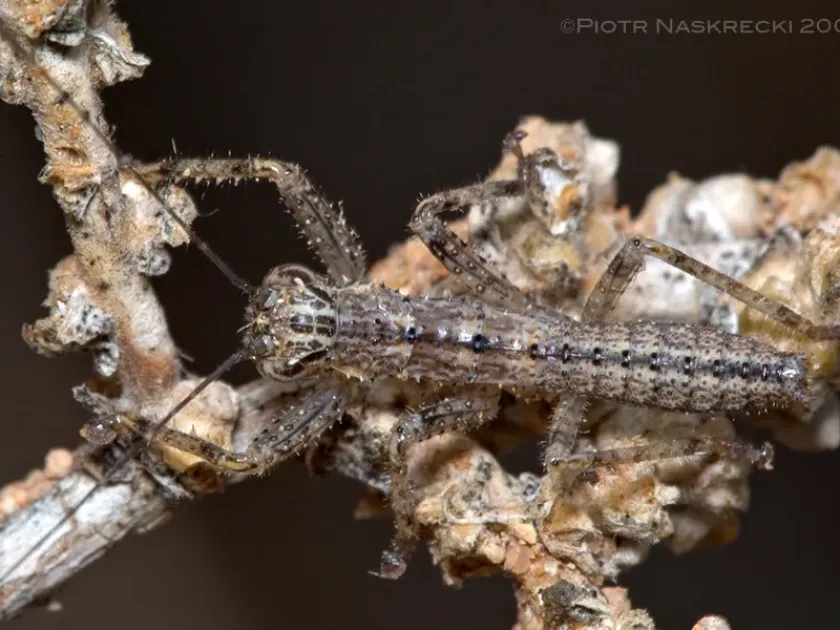
Description
How to identify
Mantophasmatodea, commonly known as heelwalkers, are a distinct order of insects that combine physical characteristics of both mantids and stick insects. They are wingless, ground-dwelling creatures with elongated bodies and specialized legs.
These insects rely heavily on camouflage to avoid detection, mimicking dry vegetation, bark, or leaf litter. Their coloration and behavior make them extremely difficult to identify in the field during daylight hours.
The life cycle involves incomplete metamorphosis, where nymphs appear as miniature, sexually immature versions of adults. Their growth process is relatively slow, which prevents rapid population explosions under normal conditions.
Mantophasmatodea are primarily nocturnal hunters. During the day, they remain stationary in hidden areas, such as the base of shrubs or dense debris, to minimize the risk of predation by birds and other animals.
To identify their presence, agronomists often use night surveys with flashlights or ultraviolet light traps. Observing plants at night remains the most reliable method for confirming the presence of this insect in an area.
What it damages
Mantophasmatodea are not considered major agricultural pests; however, they can cause damage to nursery crops, ornamental plants, or vegetables when their natural food source is scarce. They feed on plant tissues using chewing mouthparts.
Damage typically includes irregular feeding holes on leaf margins and damage to young, succulent shoots. Such activity can impair the plant's photosynthetic capability, particularly in young specimens or seedlings.
In addition to direct herbivory, the wounds created by these insects can serve as entry points for bacterial or fungal infections. These secondary infections are often more damaging to the plant's health than the initial insect grazing.
Incidence of damage is usually isolated and sporadic, occurring mostly in environments where natural vegetation has been removed. They tend to prefer plants that are already stressed by drought or poor soil conditions.
Interestingly, because these insects are also predaceous, their role in the ecosystem is complex. In some cases, they may even contribute to controlling other, more harmful insect populations within the same crop field.
Control measures
There are no specific pesticide protocols developed for Mantophasmatodea due to their generally low impact on crops. Pest management should focus on cultural practices and maintaining a healthy plant environment.
The most effective cultural control measure is weed management. Removing weeds from around the base of crops eliminates potential nesting and hiding sites, making the area less attractive to these insects.
If population densities exceed acceptable levels, standard broad-spectrum insecticides effective against chewing insects can be utilized. Applications should be targeted to avoid harming beneficial predators and pollinators.
Encouraging natural biological controls, such as insectivorous birds and small mammals, is a highly recommended strategy. Maintaining a balanced habitat promotes natural regulation of insect populations without chemical interventions.
Monitoring through the use of sticky traps or visual inspections at dusk can help landowners determine if intervention is truly necessary. Integrated pest management (IPM) principles should always be applied before deciding to use chemical sprays.
Taxonomy
- Latin name
- Mantophasma
- Family
- Mantophasmidae
- EPPO code
- MANPSP
Discussion
No discussions yet — be the first.