
Tylenchorhynchus annulatus
Tylenchorhynchus annulatus
Description
How to identify
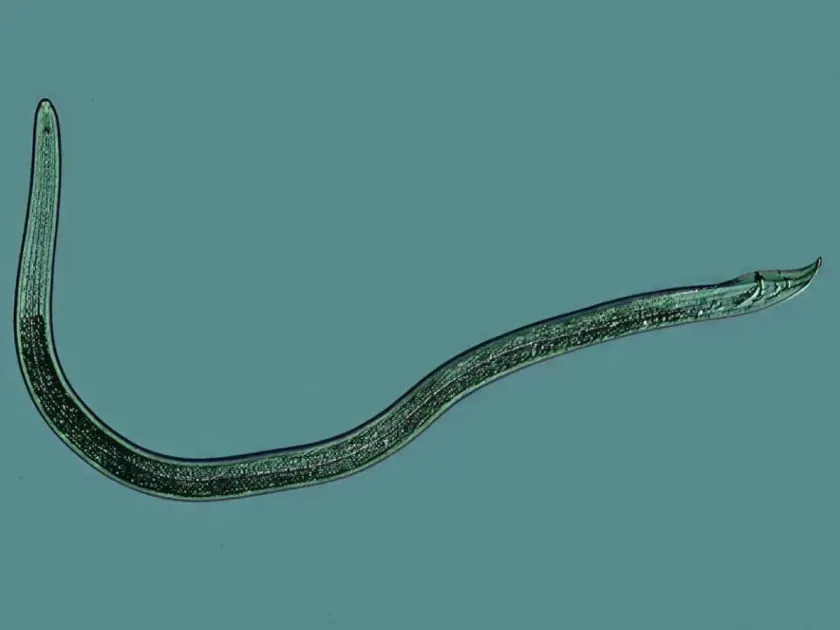
Tylenchorhynchus annulatus, commonly known as a type of stunt nematode, belongs to the family Telotylenchidae. It is a microscopic soil-dwelling worm typically measuring less than one millimeter in length.
The body is characterized by distinct cuticular annulations, which give it a ringed appearance under a microscope. Its most vital feature is the presence of a strong, protrusible stylet used to puncture plant root cells.
These nematodes are obligate plant parasites, meaning they cannot complete their life cycle without feeding on the living tissues of host plants.
Diagnosis in the field is impossible without diagnostic laboratory equipment. Soil and root samples must be processed using extraction techniques to quantify nematode populations.
They are widely distributed in agricultural soils globally and can adapt to various environmental conditions, making them a persistent challenge in crop production.
What it damages
These nematodes feed ectoparasitically on the root systems of various crops, including cereals, legumes, and several vegetable species.
By repeatedly feeding on root hair cells and epidermal tissue, they cause significant injury, leading to cell necrosis and reduced nutrient uptake.
The damage often results in the stunting of plants, yellowing of leaves (chlorosis), and a general failure to thrive during critical growth stages.
Root systems attacked by T. annulatus are often underdeveloped, with fewer lateral roots and brown, necrotic tips, which severely impairs the plant's ability to withstand drought.
Furthermore, the physical injury to roots facilitates secondary infections by soil-borne fungi and bacteria, leading to further yield degradation.
When it appears
The activity and reproduction of these nematodes are strongly influenced by soil temperature and moisture, with optimal levels typically ranging between 20°C and 30°C.
In temperate climates, the nematode remains active during the growing season when host roots are available and vulnerable to attack.
During unfavorable winter conditions or prolonged droughts, the nematodes can enter a state of dormancy, allowing them to survive for long periods in the soil.
Multiple generations can occur throughout a single growing season if environmental conditions remain favorable, leading to rapid population growth.
Peak populations are usually detected when the crop is in its peak vegetative growth phase, which is when the demand for a healthy root system is highest.
Signs of infestation
Field signs of infestation often appear as irregular patches of stunted, off-color plants that seem to be suffering from nutrient deficiency despite adequate fertilization.
When digging up affected plants, the most diagnostic sign is a sparse, shallow root system with dark, necrotic lesions and a lack of fine root hairs.
Plants in infested areas are notoriously less efficient at water uptake, causing them to wilt much earlier than surrounding healthy plants during dry spells.
Reduced grain filling and stunted plant height are common indicators, particularly in corn and rice crops heavily infested by this nematode.
The cumulative effect of these symptoms is a significant reduction in biomass and yield, which is often mistaken for poor soil quality or improper crop management.
Control measures
Integrated Pest Management (IPM) strategies are essential for controlling T. annulatus, focusing on reducing soil population densities.
- Implement long-term crop rotation cycles using non-host or antagonistic crops.
- Ensure machinery and tools are cleaned before moving between fields to prevent infestation spread.
- Use certified, nematode-free seeds and transplants to avoid initial soil contamination.
- Maintain optimal soil fertility and organic matter levels to encourage vigorous root growth.
- Apply chemical nematicides when population thresholds exceed economic injury levels.
Cultural practices like deep plowing can help disrupt the lifecycle of these nematodes by exposing them to less favorable soil environments.
Effective weed management is also crucial, as many common field weeds can serve as alternative hosts during the off-season, helping the population survive.
Taxonomy
- Latin name
- Tylenchorhynchus annulatus
- Order
- Nematodes
- Family
- Dolichodoridae
- EPPO code
- TYLRMA
Discussion
No discussions yet — be the first.