
Norton's sting nematode
Belonolaimus nortoni
Description
How to identify
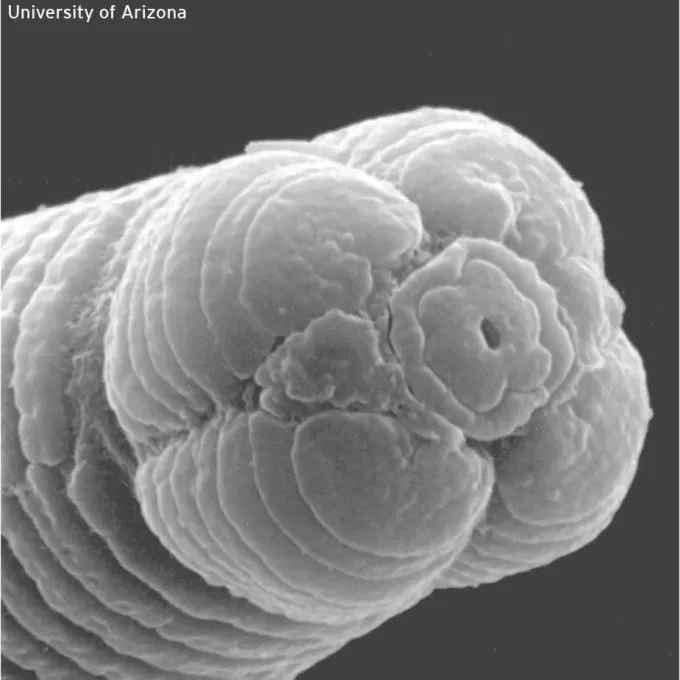
Norton's sting nematode Belonolaimus nortoni belongs to the order Tylenchida and the family Belonolaimidae. It is a microscopic roundworm equipped with a long, needle-like stylet used to feed on plant root tissues.
As a highly mobile ectoparasite, this nematode thrives in moist soil environments. Its movement is restricted by soil porosity and moisture levels, as it requires a film of water to migrate toward its host plant roots.
Accurate identification of Belonolaimus nortoni requires specialized laboratory examination. Because many nematode species appear similar, technicians use microscopy to examine anatomical features like the stylet length and tail shape to confirm the species.
The life cycle of the nematode includes egg, juvenile, and adult stages. Under favorable temperature and moisture conditions, they can complete their life cycle rapidly, leading to exponential population growth in infested agricultural fields.
These nematodes can persist in the soil for extended periods by feeding on alternative hosts, such as weeds or volunteer plants, which allows them to survive through off-seasons and pose a threat to future crops.
What it damages
The primary economic impact of Belonolaimus nortoni is the severe damage to the root systems of a wide range of crops, including cereals, legumes, and various vegetable varieties.
Young seedlings are particularly vulnerable. The nematode's feeding damages root tips and root hairs, which are essential for nutrient and water uptake, resulting in stunted plant growth and overall loss of vigor.
During the feeding process, nematodes inject digestive enzymes into the roots. This process kills plant cells and creates necrotic lesions, which serve as entry points for secondary fungal and bacterial infections.
Fields with high nematode pressure show characteristic patchy distribution. Plants within these zones often appear stunted, chlorotic, and unable to reach their full physiological potential compared to plants in healthy soil.
In severe infestations, crop failure is a significant risk. The damaged root system cannot sustain the plant, especially during critical developmental stages, leading to drastically reduced yields or total crop loss.
Signs of infestation
The most noticeable field symptom is the presence of uneven, stunted patches of vegetation. These areas often appear irregularly shaped and grow in size over successive growing seasons.
Root system inspection is the most definitive diagnostic tool. Affected plants exhibit shortened, stubby roots with very few lateral branches, often displaying a classic stunted appearance due to severe tip damage.
Above-ground, plants exhibit symptoms that mimic nutrient deficiencies or drought stress, even if moisture and fertilizer levels are adequate. This is because the damaged roots cannot absorb these essential resources.
During hot, sunny days, infested plants are usually the first to wilt. Their reduced root surface area cannot keep up with the plant's transpirational demand, causing the leaves to lose turgor and flag quickly.
Late in the season, secondary root rots may develop as a result of opportunistic pathogens infecting the wounds left by the nematodes, causing the roots to turn dark or appear decayed upon excavation.
Control measures
Crop rotation is the foundation of management. Planting non-host crops for several consecutive seasons can effectively starve the nematode population and lower its density to below-economic-threshold levels.
Rigorous weed control is essential for preventing the survival of Belonolaimus nortoni. Since many weeds can serve as reproductive hosts, keeping fields clean is a vital component of integrated pest management.
In high-intensity agriculture, chemical nematicides can be utilized, though their use must be carefully managed. Growers should follow specific application protocols and prioritize environmental safety and soil health.
The use of cover crops with natural bio-fumigant properties can also suppress nematode populations. Certain brassica varieties, when integrated into the system, release compounds that are toxic to nematodes.
Proactive field monitoring through soil sampling is the best strategy. Testing soil prior to planting provides the necessary data to determine the risk level and implement appropriate preventive measures before damage occurs.
Taxonomy
- Latin name
- Belonolaimus nortoni
- Order
- Nematodes
- Family
- Dolichodoridae
- EPPO code
- BELONO
Discussion
No discussions yet — be the first.