
Sludge worm
Tubifex tubifex
Description
How to identify
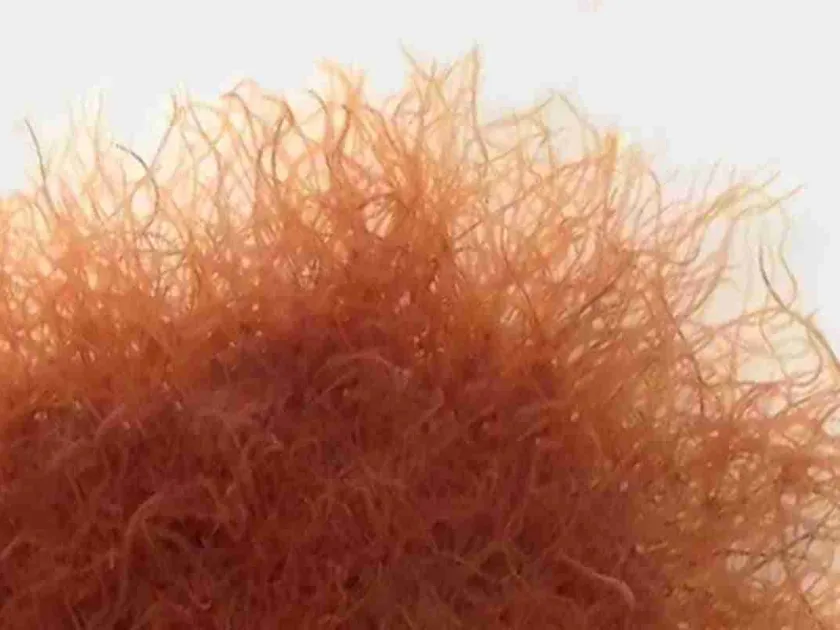
The sludge worm is an aquatic oligochaete belonging to the family Naididae, order Haplotaxida. It appears as a thin, thread-like worm, typically red or pinkish in color, with a body length ranging from 2 to 10 centimeters.
These organisms are primarily benthic, meaning they live in the substrate, burying their heads in mud or silt while keeping their posterior end exposed to water for respiration. In organic-rich conditions, they form dense, red colonies.
Reproduction is hermaphroditic, with life cycles closely tied to organic-rich sediment. Their high regenerative capacity and tolerance for hypoxia allow them to thrive in environments that are lethal to other species.
In an agronomic context, identification is difficult due to their burrowing habits. They are typically discovered by analyzing soil samples or observing the small, volcano-like openings they create in the substrate.
Their ability to tolerate high levels of water pollution makes them excellent bio-indicators of environmental degradation within agroecosystems.
What it damages
The sludge worm causes significant damage in rice cultivation, particularly during the early stages of plant growth. By burrowing through the soil, they disrupt the root systems of young rice seedlings, hindering nutrient absorption.
In hydroponic and aquaponic systems, the worms can damage young roots, causing mechanical injury that often leads to secondary bacterial or fungal infections, resulting in stunted plant growth.
The primary damage involves the physical disturbance of the substrate and silt, which prevents the proper anchoring of young plants. In rice paddies, this often leads to the uprooting of young seedlings.
Beyond mechanical injury, their waste products alter the chemistry of the root zone, creating an environment favorable to pathogens that cause root rot.
The sludge worm also serves as an intermediate host for various fish and bird parasites, which complicates the management of integrated rice-fish farming systems.
When it appears
Sludge worm activity occurs throughout the growing season, provided there is high soil moisture or a constant water surface to sustain their respiratory needs.
Population peaks typically occur during the warmer months when water and sediment temperatures are optimal for their metabolism, ranging between 15 and 25 degrees Celsius.
In the spring, upon the flooding of rice fields, mass colonization of prepared areas occurs, especially if there is an abundance of decaying organic matter.
Activity decreases in the autumn; however, the fertilized cocoons of the worm are capable of overwintering in sediment, maintaining high viability for the next season.
In greenhouses and indoor hydroponic facilities, the pest can remain active year-round if proper disinfection protocols for water systems are not implemented.
Signs of infestation
A clear sign of infestation is the presence of characteristic "worm holes" or small cone-shaped mounds on the surface of the mud or substrate in flooded areas.
Sudden wilting or uprooting of young rice seedlings is common, as their roots are exposed and severed due to the constant burrowing activity of the worm colonies.
Water turbidity in areas of infestation may increase due to the constant churning of silt by the worms, affecting light penetration and soil temperature.
When examining the root system of affected plants, one can often see microscopic tissue damage, which appears as localized necrosis.
In hydroponic systems, the presence of the pest is signaled by the accumulation of pinkish worm clusters within drainage tubes or nutrient reservoirs.
Control measures
The foundation of control in rice farming is thorough field preparation: deep plowing and allowing the soil to dry out before planting, which kills the worms through desiccation.
The application of low-concentration copper sulfate is an effective method, as it acts as a mild molluscicide and vermicide that targets aquatic invertebrates without harming the main crop.
In closed systems, implementing multi-stage water filtration and periodic sterilization of nutrient solutions are necessary to prevent worm entry.
Biological control, such as stocking ponds with fish species that feed on benthic oligochaetes, is a sustainable way to manage and reduce population density.
- Regular substrate replacement.
- Strict monitoring of irrigation water purity.
- Implementation of crop rotation.
- Optimized application of organic fertilizers.
Taxonomy
- Latin name
- Tubifex tubifex
- Family
- Naididae
- EPPO code
- TUBITU
Discussion
No discussions yet — be the first.