
Carp lice
Branchiura
Description
How to identify
Carp lice, scientifically known as Argulus, are members of the order Branchiura. They are highly specialized crustacean ectoparasites that have adapted to feed on the blood of freshwater fish.
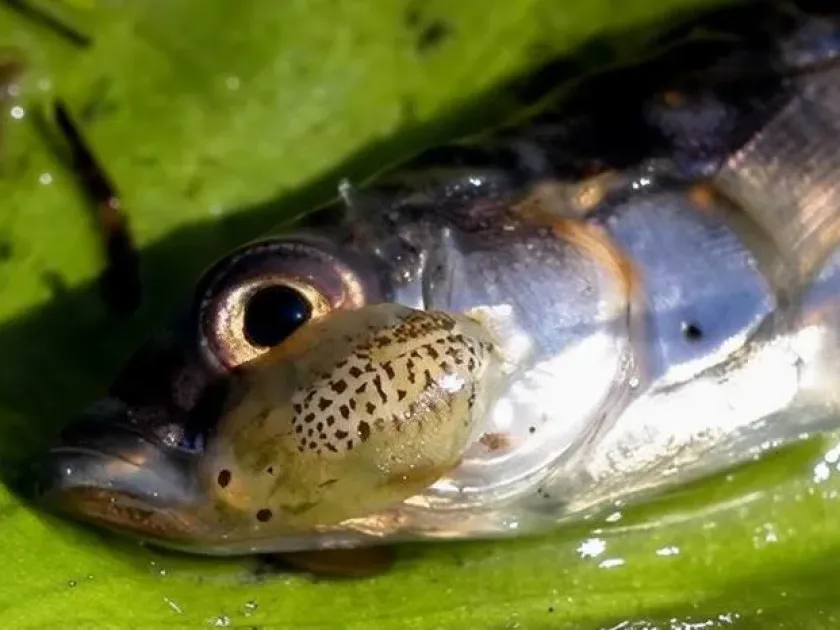
The body of an adult carp louse is dorso-ventrally flattened and protected by a hard carapace. They possess two prominent suckers used for firm attachment to the host's body surface.
These parasites utilize a specialized mouthpart called a proboscis, which acts as a needle to pierce the fish's skin and suck blood, simultaneously secreting digestive enzymes.
The life cycle is complex: females lay eggs on solid substrates such as rocks or aquatic plants. The hatched larvae must find a host fish shortly after emerging to survive and mature.
Unlike many other parasites, adult carp lice can detach from their host and swim freely in the water column to search for new fish, making them difficult to eradicate completely.
What it damages
Carp lice primarily infest species such as carp, goldfish, and various salmonids. They are a frequent problem in commercial fish farms, ornamental ponds, and backyard tanks.
The feeding process causes mechanical trauma to the fish skin. These open wounds are highly susceptible to secondary bacterial and fungal infections, often causing systemic illness.
In aquaculture, infestations lead to reduced growth rates, weight loss, and general poor condition of the stock. Younger fish are particularly susceptible and may suffer high mortality rates.
The presence of lice significantly degrades the aesthetic and commercial value of fish, as damaged skin and ulcerated areas are visible signs of low-quality production.
Large outbreaks can cause widespread stress throughout the fish population, making the stock more sensitive to fluctuating water quality and environmental stressors.
Signs of infestation
The most obvious sign of an infestation is the visual presence of the lice themselves. They appear as small, disk-shaped, greenish-brown creatures moving across the fish's skin.
The fish will often exhibit "flashing" behavior—rapid, jerky movements and rubbing against pond walls or debris in an attempt to dislodge the irritating parasite.
Areas of attachment display localized redness, inflammation, and occasionally raw sores. These lesions are clear indicators of feeding activity by the parasites.
Increased mucus production is common as the fish attempts to defend its skin against the lice. This often results in a cloudy or dull appearance of the skin surface.
Behavioral changes such as loss of appetite, lethargy, and clustering near water inlets are frequently observed during heavy infestations in controlled environments.
Control measures
Preventative management is key; draining and drying out ponds during winter is highly effective as it destroys the eggs attached to bottom substrates.
Chemical treatments, such as organophosphates, can be used to eradicate lice from an affected population, but they must be applied with professional guidance to avoid fish toxicity.
Rigorous quarantine protocols for any new fish entering a facility are essential to prevent the introduction of these parasites into healthy populations.
Biological control involves maintaining optimal water quality and stocking densities to reduce the stress on fish, making them more resilient to minor infestations.
Monitoring using artificial substrates or traps can help identify the onset of an infestation early, allowing for targeted interventions before the parasite population explodes.
Taxonomy
- Latin name
- Branchiura
- Family
- Naididae
- EPPO code
- BRANSP
Discussion
No discussions yet — be the first.