
Limnodrilus
Limnodrilus
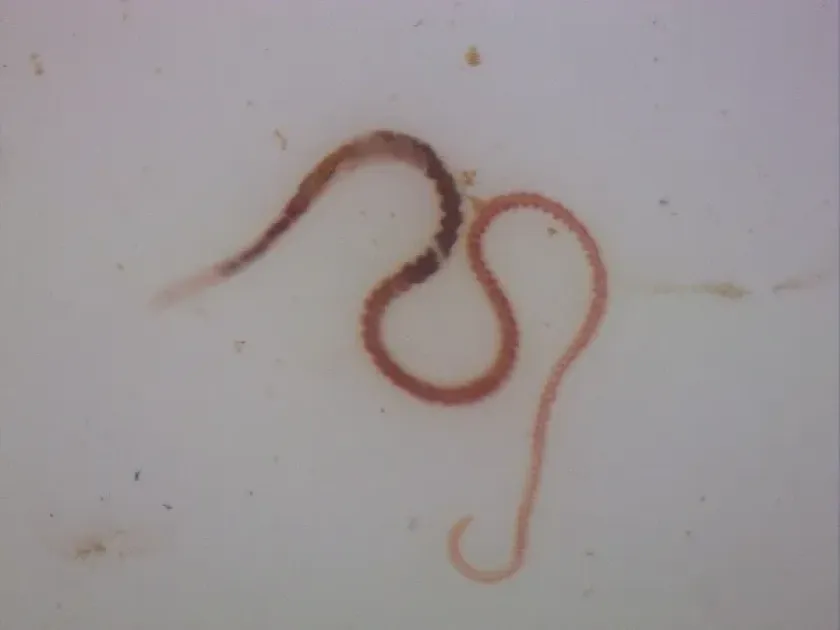
Description
How to identify
Limnodrilus is a genus of aquatic segmented worms (oligochaetes) belonging to the family Naididae.
These worms possess thin, thread-like bodies, typically reddish or pinkish in color due to the presence of hemoglobin.
The size of an adult Limnodrilus ranges from several millimeters to a few centimeters, depending on the specific species.
Accurate identification requires professional microscopic examination of their setae (bristles) and reproductive anatomy.
They are benthic organisms commonly found in soft, organic-rich sediments at the bottom of ponds and slow-moving water bodies.
What it damages
Limnodrilus is recognized as a significant pest primarily in flooded agricultural fields, particularly in rice cultivation.
These worms burrow through the soft mud, disrupting the soil structure surrounding the roots of young rice seedlings.
As the sediment is loosened, the root systems lose their grip on the substrate, causing seedlings to float or lodge.
Extensive damage results in stunted growth, reduced plant density, and significant losses in final crop yield.
By constantly disturbing the substrate, they alter the soil environment, creating poor conditions for healthy root development.
When it appears
The biological activity of Limnodrilus is strictly dependent on water and soil temperature levels in the rice paddies.
Significant breeding and feeding activity begin as soon as water temperatures exceed 15–18 degrees Celsius.
Population density peaks during the early vegetation stages of the crop, immediately following the flooding of the paddies.
These environmental conditions remain favorable for their reproduction throughout the duration of the water-flooding phase.
When the fields are drained, the population declines rapidly as the worms require constant saturation to survive.
Signs of infestation
A primary indicator of infestation is the yellowing and stunted appearance of young rice seedlings in specific field patches.
Close inspection reveals that seedling roots are bare or loosely suspended in the water instead of being anchored in mud.
The presence of fine silt mounds or disturbed sediment on the bottom is a hallmark of high worm colony activity.
Increased water turbidity caused by the constant burrowing and feeding of the worms is also a common observation.
Severe infestations are marked by mass uprooting and floating of young rice plants across the surface of the flooded field.
Control measures
Draining the paddies for a specific duration is a highly effective cultural method to eliminate Limnodrilus populations.
Chemical control measures must be applied carefully, adhering strictly to environmental regulations to prevent water pollution.
Proper land leveling during soil preparation is essential to prevent the accumulation of soft organic silt that favors worms.
Maintaining a crop rotation scheme helps disrupt the biological cycle of the pest and reduces soil-based infestation risks.
- Frequent monitoring of seedling attachment
- Controlled drainage cycles for paddies
- Effective irrigation system management
Taxonomy
- Latin name
- Limnodrilus
- Family
- Naididae
- EPPO code
- LIMNSP
Discussion
No discussions yet — be the first.