
Tuberculatus
Tuberculatus
Description
How to identify
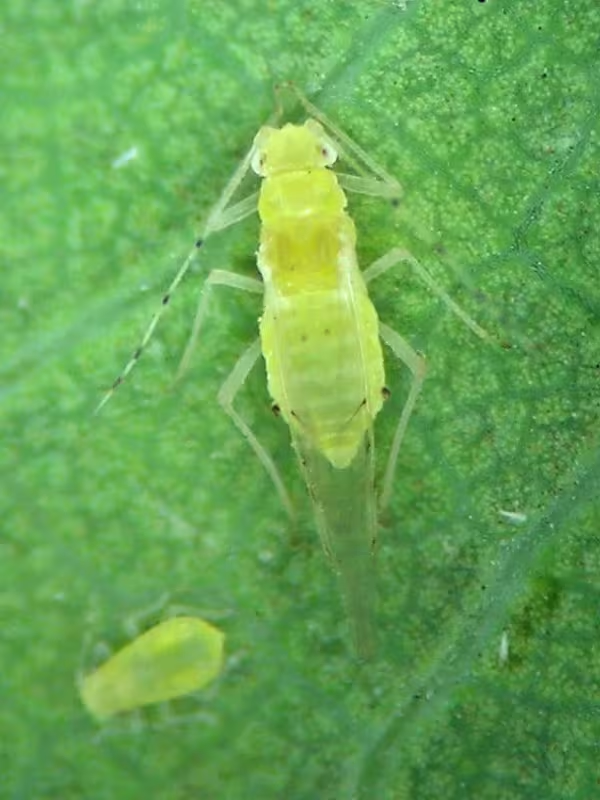
Tuberculatus is a genus of aphids belonging to the family Aphididae, characterized by distinct morphological features on the dorsal side of the abdomen.
These aphids are generally small, with body structures adapted for feeding on woody plants, particularly those in the Betulaceae family.
The coloration of these insects ranges from pale yellow to light green, providing excellent camouflage against the foliage of their host trees.
They exhibit complex life cycles, alternating between wingless parthenogenetically reproducing females and winged forms that facilitate dispersal.
Identification often requires careful inspection of the leaf undersides, where these insects tend to settle in colonies during the growing season.
What it damages
The primary hosts for the Tuberculatus genus are hazel trees (Corylus), where they inflict damage by feeding on nutrient-rich sap.
By using their piercing-sucking mouthparts, they drain essential fluids, which leads to leaf curling, chlorosis, and general tree stress.
A significant consequence of their feeding is the excretion of honeydew, a sticky substance that coats the leaves and branches of the tree.
This honeydew serves as a substrate for the growth of sooty mold, a dark fungal layer that inhibits the tree's photosynthetic capacity.
Heavy infestations can lead to stunted growth of new shoots and a reduction in both the quantity and quality of the nut yield.
When it appears
The annual cycle begins in early spring when overwintering eggs, deposited in bark crevices, hatch in synchronization with bud break.
Populations build up rapidly through late spring and early summer, taking advantage of the abundance of tender new growth on the host trees.
During the mid-summer period, winged morphs are produced, which play a crucial role in spreading the infestation to healthy neighboring trees.
As autumn approaches and temperatures drop, the aphid population produces sexual morphs to ensure the production of cold-hardy eggs for the next year.
Environmental conditions, particularly mild and dry springs, often create the optimal conditions for massive outbreaks of this pest.
Signs of infestation
The earliest signs of infestation include the appearance of small, localized aphid colonies along the veins on the undersides of leaves.
Curling or yellowing leaf margins serve as clear physical indicators that the plant is struggling due to sap extraction by the pests.
Sticky surfaces on the foliage or beneath the canopy are definitive signs of honeydew accumulation caused by the feeding activity of the aphid colonies.
Increased ant traffic on branches is a common secondary symptom, as ants often protect aphids to feed on the sugary honeydew they secrete.
The development of a black, dusty appearance on the leaves (sooty mold) is a sign of long-term and severe infestation that requires immediate attention.
Control measures
Biological control is highly effective, as preserving predators like ladybeetles and lacewings can naturally keep Tuberculatus populations in check.
Systemic insecticides should be applied sparingly and only when necessary to prevent high-level damage while protecting beneficial insect populations.
Early-season dormant oil sprays are a sustainable strategy to reduce the overwintering egg population before they hatch in the spring.
Cultural practices, such as pruning suckers and maintaining orchard hygiene, reduce the available habitat for the aphids to colonize.
Regular scouting of orchards throughout the season allows for the detection of initial infestations, enabling targeted management before a full outbreak occurs.
Taxonomy
- Latin name
- Tuberculatus
- Order
- Hemiptera (bugs, aphids, leafhoppers)
- Family
- Aphididae
- EPPO code
- TUBESP
Discussion
No discussions yet — be the first.