
Truncatellina cylindrica
Truncatellina cylindrica
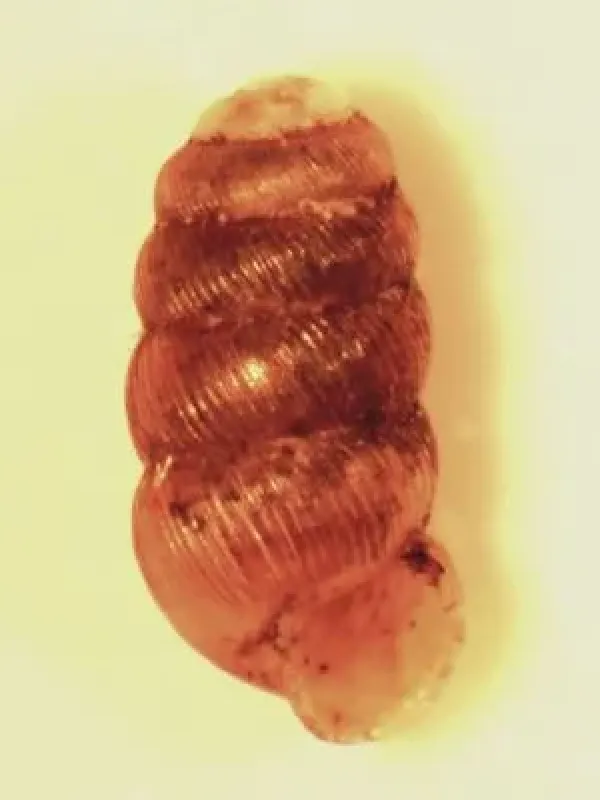
Description
How to identify
Truncatellina cylindrica is a species of minute land snails belonging to the family Vertiginidae. This organism is recognized for its extremely small size, often making it a silent pest in various agricultural ecosystems.
The shell of this species is cylindrical in shape and typically measures only 2–3 millimeters in height. Its coloration usually ranges from light horn to brownish, providing excellent camouflage against soil and organic matter.
As a member of the order Stylommatophora, it is adapted to life in terrestrial environments. Although it prefers open, dry habitats, it can thrive in cultivated fields where moisture levels and crop residue provide shelter.
Due to its small stature, the snail is frequently overlooked during routine scouting. It is only when the population density reaches high levels that its presence becomes apparent through visual damage to young plant tissues.
The biological resilience of this snail is remarkable, as it can enter a state of dormancy during unfavorable conditions, allowing it to survive harsh dry periods while attached to plant stems or within the soil structure.
What it damages
This mollusk poses a significant threat to seedlings of vegetables, cereals, and technical crops during their early growth stages. The damage is most acute when environmental conditions are moist and cool.
Feeding activity involves grazing on the epidermis and soft tissues of leaves and cotyledons. This creates small holes or window-like scarring on the plant surface, which inhibits photosynthesis and weakens the developing seedling.
High population densities can lead to severe stunting or total stand loss in affected areas of the field. The damage often progresses rapidly, moving from the field edges into the interior crops.
Furthermore, these snails create entry points for secondary pathogens, including various fungal and bacterial infections. This indirect damage often contributes more to total crop loss than the actual tissue consumed by the snails.
Vulnerable crops include a wide range of leafy vegetables and emerging cereal crops, especially in fields with heavy mulching or reduced tillage practices that favor snail population growth.
Signs of infestation
The earliest signs of infestation are small, circular, or irregular holes on the leaves of young sprouts. These bite marks are often clustered on the lower leaves close to the ground.
Observers may notice a faint, shiny trail of dried mucus on the leaves or soil surface during early morning hours. While smaller than those of larger slugs, these trails are a clear indicator of pest activity.
A closer inspection of the plant base or the underside of lower leaves during dawn or dusk often reveals the snails themselves, as they hide from the heat of the day in cool, damp spots.
The presence of empty or live snail shells in soil samples taken from the topsoil layer is a strong indicator of a high population reservoir waiting to attack new seedlings.
Growth variability across a field, specifically in patches of underdeveloped plants, suggests that Truncatellina cylindrica might be feeding on the roots or emerging shoots before they fully establish.
Control measures
Effective management begins with rigorous field hygiene. Removing crop residues and weeds after harvest minimizes the shelter and breeding grounds essential for the snails' survival.
Deep plowing or mechanical tillage is highly recommended to disrupt the snail habitat and expose them to unfavorable surface conditions, which significantly reduces the surviving population.
Chemical control involving molluscicides, particularly those based on metaldehyde, can be used as a targeted treatment on field perimeters when infestation thresholds are exceeded.
Managing soil moisture through controlled irrigation techniques can help, as overly moist surface conditions often exacerbate the activity and reproductive success of the snails.
- Implement proper crop rotation cycles.
- Use physical barriers in high-value vegetable plots.
- Monitor pest density using cardboard or wooden traps.
- Apply tillage practices to eliminate ground litter.
Taxonomy
- Latin name
- Truncatellina cylindrica
- Order
- Molluscs
- Family
- Vertiginidae
- EPPO code
- TRNCCY
Discussion
No discussions yet — be the first.