
Trichocorixa verticalis
Trichocorixa verticalis
Description
How to identify
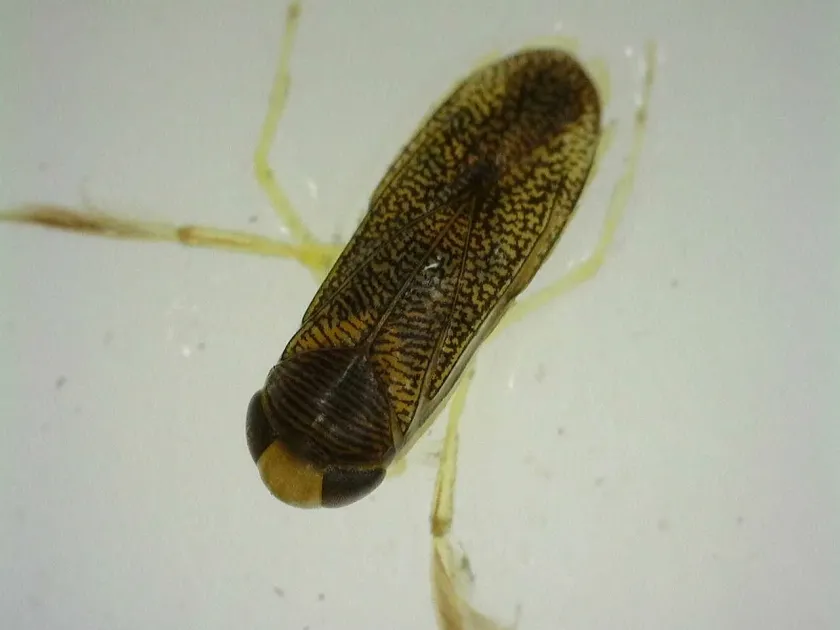
Trichocorixa verticalis is a species of water boatman, a group of aquatic insects belonging to the family Corixidae and the order Hemiptera. These insects are well-adapted to aquatic environments and are frequently found in shallow waters.
The insect possesses a streamlined, oval-shaped body with specialized hind legs that are flattened and fringed with hairs, functioning effectively as oars for swimming. This allows them to maneuver rapidly through the water column.
They are generally brownish or mottled in color, providing effective camouflage against the muddy or vegetated bottoms of ponds, lagoons, and agricultural fields such as rice paddies.
The life cycle involves incomplete metamorphosis. Nymphs closely resemble adults but lack functional wings. Throughout several nymphal stages, they grow until reaching adulthood, all while remaining in the aquatic environment.
A notable feature of this species is its high tolerance to saline conditions. This physiological flexibility allows Trichocorixa verticalis to colonize diverse aquatic habitats where other species might struggle to survive.
What it damages
The primary concern regarding Trichocorixa verticalis is its impact on submerged crops, specifically rice. While these insects are primarily scavengers that feed on algae and detritus, they can cause significant damage when populations reach high levels.
During periods of high density, water boatmen may feed on the tender tissues of young rice seedlings, including roots and shoots. This feeding behavior can stunt growth and weaken the plant structure.
Weakened seedlings become more susceptible to secondary pathogens, including fungi and bacteria, which may lead to increased mortality rates within the crop stand.
Massive infestations can lead to patchy growth in fields, causing uneven crop development. This inconsistency complicates field management practices, such as irrigation and fertilization, as plants require different levels of care.
Furthermore, their presence in large numbers can alter the local water chemistry through waste accumulation, which, while usually minor, can contribute to environmental stress in highly controlled agricultural systems.
When it appears
The seasonal activity of Trichocorixa verticalis is primarily dictated by water temperature. As temperatures rise in the spring, dormant adults emerge from the benthic substrate to become active.
Springtime corresponds with the initial flooding of agricultural fields, providing prime breeding grounds for the insects. This period often coincides with the germination and early growth stages of crops, making it a critical time for monitoring.
Summer brings peak activity levels. With warmer water temperatures, the insects undergo rapid development, with multiple generations possible during a single growing season.
As autumn approaches and water temperatures drop, activity levels decrease significantly. The insects retreat into deeper layers of the substrate or silt to overwinter, protecting them from temperature fluctuations.
The number of generations per year is heavily influenced by the regional climate, with warmer, longer growing seasons facilitating more prolific breeding cycles and potentially higher pest pressures.
Signs of infestation
The most evident sign of a Trichocorixa verticalis infestation is the visual observation of swarms of small, erratic insects swimming in the water. Their rapid, darting movements are highly characteristic.
Physical damage to young plant tissues is a key indicator. Look for mechanical injuries or necrosis on the base of stems and roots, which suggests insect feeding rather than disease-related wilting.
Thinning of the crop stand or stunted growth in areas where water remains stagnant may point to pest damage. In such cases, checking the water column for the presence of nymphs or adults is recommended.
The presence of shed exoskeletons (exuviae) floating on the water surface is a clear sign that the insects are actively molting and reproducing in the field.
Routine sampling using a fine-mesh net is the most effective way to quantify the population. If sampling reveals significant numbers of insects, it confirms that the pest is actively established in the area.
Control measures
Effective management of Trichocorixa verticalis relies on an integrated approach. Water management is a primary control strategy; periodic draining of fields can effectively disrupt the insect's habitat.
By temporarily drying out fields, producers can cause significant mortality among nymphs and adults, as they cannot survive extended periods without water.
Biological control can be enhanced by supporting indigenous predators. Species such as dragonfly nymphs and various diving beetles naturally prey on water boatmen and help keep populations in check.
When chemical control is necessary, selective insecticides registered for aquatic use should be applied. Applications should be timed to target sensitive nymphal stages to maximize efficacy while minimizing impact on non-target species.
Maintaining clear irrigation channels and minimizing excessive aquatic vegetation helps reduce the available refuge and breeding sites, making the agricultural environment less hospitable to the pest.
Taxonomy
- Latin name
- Trichocorixa verticalis
- Order
- Hemiptera (bugs, aphids, leafhoppers)
- Family
- Corixidae
- EPPO code
- TCRXVE
Discussion
No discussions yet — be the first.