
Trichocorixa
Trichocorixa
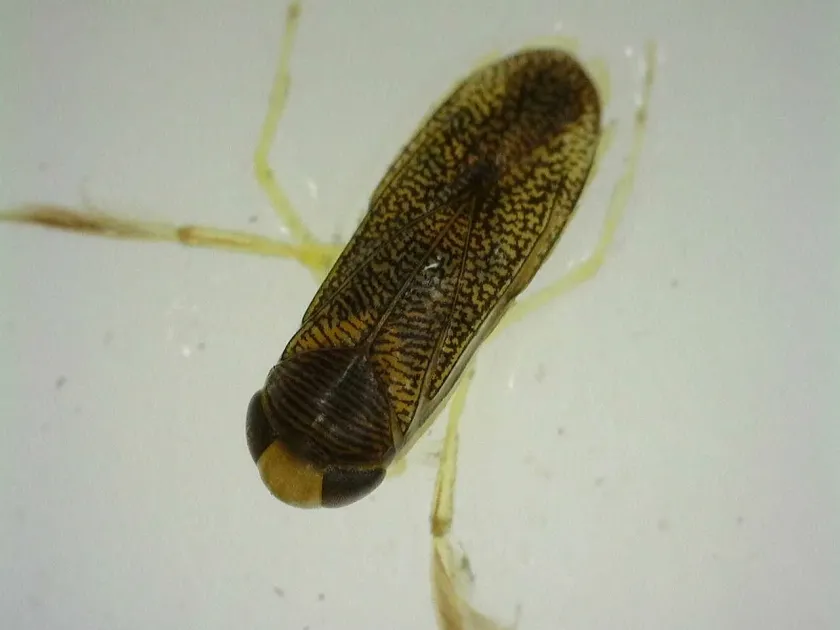
Description
How to identify
Trichocorixa is a genus of aquatic insects belonging to the family Corixidae, commonly known as water boatmen, which are widespread in various water bodies.
These insects are characterized by a flattened, oval body shape, usually ranging from 3 to 8 mm in length, which is adapted for efficient swimming.
Their head is short and wide, featuring a specialized mouthpart used for feeding on algae and organic debris, though some species may impact crops.
The forelegs are modified into scoop-like structures covered in hairs, allowing them to swim rapidly and navigate through dense underwater vegetation.
Equipped with well-developed wings, they are capable of active flight, which enables them to colonize new irrigation channels and flooded agricultural fields.
What it damages
Trichocorixa species primarily cause problems in irrigated agricultural areas, particularly affecting rice cultivation in flooded fields or paddies.
Both adults and nymphs can feed on the tender parts of young plants, including roots and stems, by extracting essential plant fluids.
This feeding activity often leads to growth retardation, reduced plant vigor, and susceptibility to secondary infections in the damaged tissues.
High population densities can lead to significant gaps in crop stand, which directly reduces the total grain yield at the end of the season.
The damage is particularly severe during the early growth stages of the crop when the root system is tender and highly susceptible to insect pressure.
When it appears
The lifecycle of Trichocorixa is highly dependent on water temperature, with peak activity occurring during warm summer months when water warms up sufficiently.
Adults emerge from overwintering sites in the spring and rapidly colonize available flooded fields, beginning their reproductive cycle immediately.
In regions with mild climates, the pest can complete multiple generations per season, maintaining a constant population pressure on crops throughout the summer.
As temperatures drop during autumn, the insects move to deeper water layers or muddy substrates to enter a state of dormancy until the following spring.
Monitoring should be most intensive during the initial flooding of fields to detect early colonization and prevent a rapid population buildup.
Signs of infestation
The most immediate sign of infestation is the physical presence of adult water boatmen swimming near the water surface or in the crop canopy.
Crop symptoms include uneven development, yellowing of foliage, and a general decline in health that is noticeable across infected areas of the field.
Closer examination of the plant base may reveal small puncture marks on the epidermis, which serve as entry points for pathogens in wet environments.
The water in heavily infested paddies may appear cloudy due to the high density of insects and their activities within the sediment and vegetation.
Stunted plant growth, compared to unaffected parts of the field, serves as a major indicator that the crop is suffering from pest-related stress.
Control measures
Management of Trichocorixa focuses on interrupting its aquatic lifecycle and reducing the suitability of the field environment for the pest.
- Periodic draining of rice paddies to disrupt the larval development cycle.
- Regular maintenance and cleaning of irrigation ditches to remove refuges.
- Utilization of biological controls, such as introducing natural predators of aquatic insects.
- Application of specialized insecticides only when economic threshold levels are breached.
- Implementation of proper water level management to minimize the colonization of the crop area.
Taxonomy
- Latin name
- Trichocorixa
- Order
- Hemiptera (bugs, aphids, leafhoppers)
- Family
- Corixidae
- EPPO code
- TCRXSP
Discussion
No discussions yet — be the first.