
Centaurea root aphid
Trama centaureae
Description
How to identify
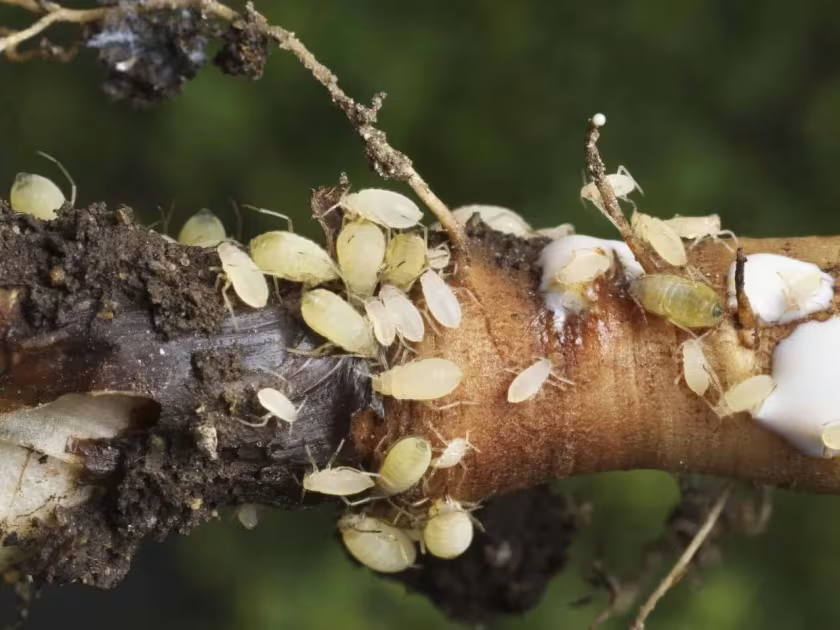
The Centaurea root aphid (Trama centaureae) is a specialized subterranean species belonging to the Aphididae family. These insects are characterized by a bulky body covered in a white, waxy secretion, which makes them easy to distinguish when inspecting root zones.
This pest leads a strictly underground lifestyle, inhabiting soil voids and cracks near plant roots. They possess long legs, which allow them to move actively through the soil to locate the most suitable feeding areas on the root system.
The biology of this species is deeply integrated with myrmecophily, a mutualistic relationship with ants. Ants protect the aphid colonies from predators and parasites in exchange for honeydew, a sugary substance excreted by the aphids, which serves as a vital food source for the ants.
Reproduction occurs mainly through parthenogenesis, allowing the population to increase rapidly under favorable conditions. A single colony can quickly colonize the entire root system of a host plant, especially in well-drained and moisture-retaining soils.
The aphid remains underground throughout its entire development, making detection difficult without disturbing the soil. They overwinter in the soil or within ant nests, relying on the roots of perennial plants to survive the colder periods of the year.
What it damages
The primary hosts for this pest include plants in the Asteraceae family, such as knapweeds (Centaurea), dandelions, and various weeds. When population levels are high, they may migrate to ornamental plants, causing significant stress to the host.
The damage caused by these aphids involves intense sap extraction from the root tissue. This process disrupts the plant's nutrient uptake, leading to stunted growth, reduced leaf surface area, and an overall decline in plant vigor.
Extensive infestations often cause the plant to lose turgor pressure. Even with adequate irrigation, the root system fails to supply enough water to the foliage, resulting in daytime wilting and eventual yellowing of the lower leaves.
The wounds inflicted by the aphid's feeding are prone to secondary infections by soil-borne pathogens. Root rot is a common complication, which can lead to the total collapse of the plant if the aphid colony is not managed in time.
Economic damage is primarily observed in ornamental nurseries and flower gardens. The loss of plant vitality and aesthetic value makes this pest a serious concern for gardeners who maintain perennial collections or specialty Asteraceae plantings.
Signs of infestation
The most common sign of infestation is a generalized failure to thrive. The plant looks weak or stunted despite no visible problems on the stems or leaves. In many cases, it is misidentified as a lack of nitrogen or drought stress.
The presence of ant activity is a strong diagnostic indicator. If you observe ant nests clustered near the base of specific plants that are showing signs of decline, it is highly likely that a root aphid colony is being tended by the ants.
Careful excavation around the root crown often reveals clusters of light-colored aphids. You may also notice a white, powdery substance on the soil and root surfaces, which is the waxy residue left behind by the aphid colony.
Wilting during peak sunshine hours is a classic symptom of damaged roots. If the plant recovers slightly at night but wilts again during the day, it is a clear sign that the root system is compromised and requires immediate inspection.
- Premature yellowing of leaves.
- Delayed flowering or flower bud abortion.
- Significant ant activity near the plant base.
- Presence of white waxy powder in the soil near the roots.
Control measures
Effective control requires a two-pronged approach: managing the aphid colony and disrupting their symbiotic ant partners. Regular soil cultivation and hoeing disrupt the tunnels and colony structures, making it difficult for the aphids to thrive.
Weed management is a crucial preventative measure. Removing wild Asteraceae species from the surrounding area eliminates the reservoir hosts for the aphids, preventing them from migrating to your primary ornamental or garden crops.
Systemic insecticides applied as a soil drench are the most effective chemical control method. These products are taken up by the roots and travel through the plant, effectively killing the sap-sucking aphids that live deep underground.
Biological controls include the use of entomopathogenic fungi, which are natural enemies of aphids. These fungi can be applied to the soil to reduce aphid numbers without negatively impacting the surrounding ecosystem or beneficial insects.
Preventative measures also include ensuring high-quality sanitation practices. Inspect all new planting materials for signs of root aphids before introducing them to the garden, as they are easily transported within the root ball of potted plants.
Taxonomy
- Latin name
- Trama centaureae
- Order
- Hemiptera (bugs, aphids, leafhoppers)
- Family
- Aphididae
- EPPO code
- TRAMCE
Discussion
No discussions yet — be the first.