
Torymus varians
Torymus varians
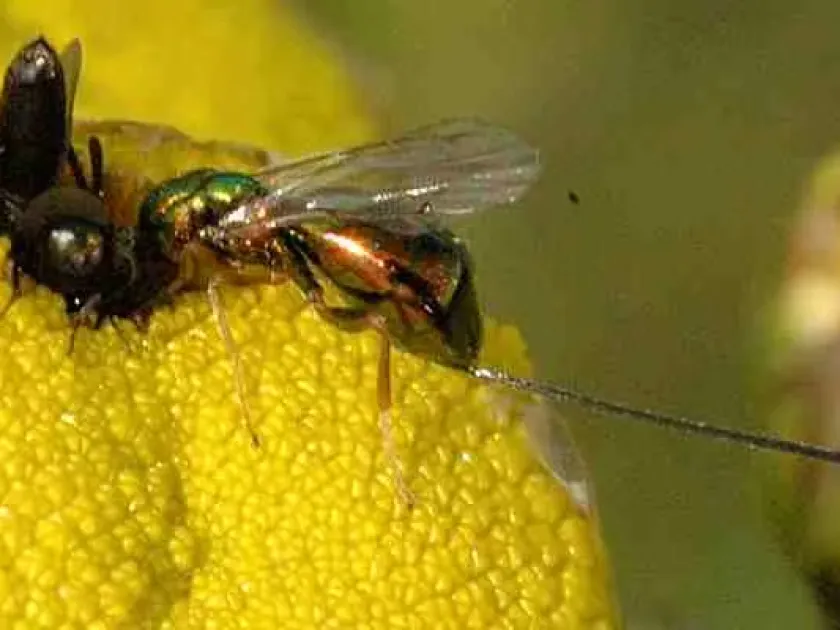
Description
How to identify
Torymus varians is a species of parasitic wasp belonging to the family Torymidae within the order Hymenoptera. These insects are small in size and are often identified by their metallic body coloration, ranging from green to bronze.
Adult females possess a distinct, elongated ovipositor, which is a specialized organ used to deposit eggs into the seeds of host plants.
Identification typically requires expert entomological analysis, as the genus includes many species that are parasitoids of other insects rather than direct seed-feeders.
The taxonomic classification of this species reflects its unique niche in the ecosystem as a specialized feeder on the seeds of Rosaceae family plants.
Understanding the physical characteristics is essential for researchers to monitor population trends and evaluate the impact of this pest on seed production.
What it damages
The primary hosts of Torymus varians include various fruit trees such as mountain ash, apple, and certain stone fruits. The larvae consume the developing embryo within the seed.
The infestation leads to a significant loss in seed viability, which is a major concern for nurseries that rely on high-quality seeds for propagation.
Damage caused by this pest is often internal, making it difficult to detect without opening the fruits or seeds, which can mask the extent of the infestation.
Increased fruit drop is a common consequence of larval activity, as the plant reacts to the damage caused to the developing seeds.
Cumulative damage over several seasons can lead to the decline of the seed-bearing capacity of the orchard, affecting long-term productivity.
When it appears
The seasonal development of Torymus varians is closely linked to the phenology of its host plants, specifically during the flowering and fruit-setting stages.
The insect spends the winter months as a dormant larva inside the seeds, protected from cold weather and external environmental stressors.
Pupation occurs in the spring, coinciding with the warming of the soil and the beginning of the new growth season for the host plants.
Adults emerge just as the new fruits start to form, providing an ideal substrate for the females to lay their eggs.
The life cycle is typically univoltine, meaning there is only one generation per year, which dictates the timing of management interventions.
Signs of infestation
Signs of infestation become visible later in the season when adult wasps emerge, leaving tiny, perfectly circular exit holes on the fruit or seed surface.
Infested fruits may appear stunted or shriveled compared to healthy specimens, and they often drop prematurely from the tree.
When seeds are extracted and inspected, they may appear hollow or show signs of internal tissue consumption by the larvae.
Reduced weight of harvested seed lots is a strong indicator of an internal pest infestation that has occurred during the growth phase.
- Presence of tiny emergence holes in fruits.
- Premature fruit drop.
- Hollowed-out seeds upon inspection.
Control measures
The most effective management strategy involves the removal and destruction of fallen fruits, which serve as the primary reservoir for overwintering larvae.
Tilling the soil around the base of the trees can disrupt the life cycle by burying or damaging the larvae present in fallen seeds.
Biological controls, such as encouraging natural predators and parasitoids in the orchard environment, can help suppress population numbers.
Strategic monitoring with sticky traps during the emergence period helps growers apply control measures at the precise time of adult activity.
Integrated pest management (IPM) practices, emphasizing cultural controls, are preferred to minimize the reliance on broad-spectrum chemical insecticides.
Taxonomy
- Latin name
- Torymus varians
- Order
- Hymenoptera
- Family
- Torymidae
- EPPO code
- SYNOVA
Discussion
No discussions yet — be the first.