
Torymus macropterus
Torymus macropterus
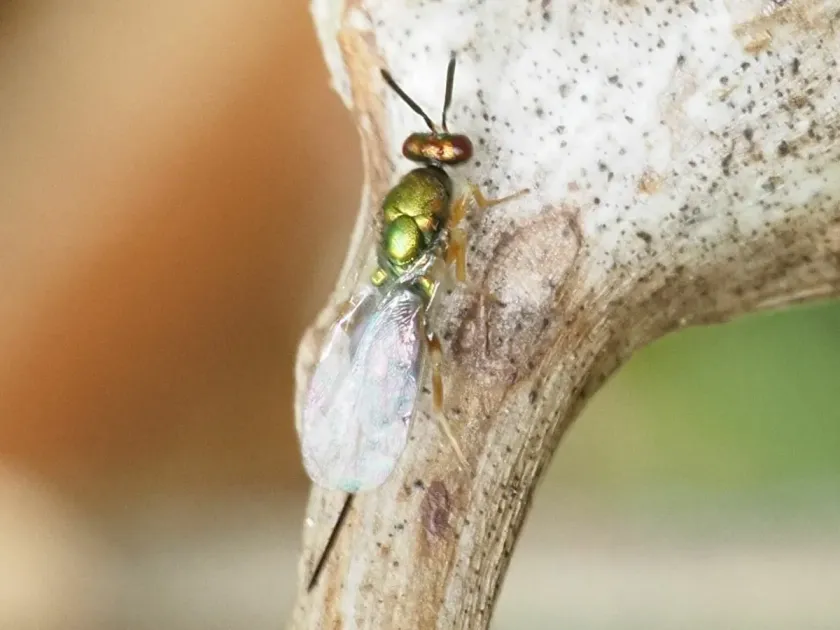
Description
How to identify
Torymus macropterus is a species of parasitic wasp belonging to the family Torymidae. These insects are known for their specific interaction with coniferous hosts, where they function as specialized seed consumers.
The adult wasp is characterized by its distinct wing structure and slender body, which allows it to navigate within dense pine or spruce canopy structures.
The life cycle involves the female using her ovipositor to deposit eggs inside the developing seeds of conifers, where the larvae will eventually hatch and mature.
Torymids are often recognized by their metallic coloration, though species identification typically requires professional entomological expertise due to subtle morphological differences.
Environmental factors, such as temperature and humidity, play a critical role in the timing of their emergence and the overall success of each reproductive generation.
What it damages
The primary damage is caused by the larval stage feeding inside the seeds of coniferous trees, which effectively destroys the embryo and prevents germination.
This feeding behavior makes the pest highly detrimental in seed orchards, where the goal is to produce high-quality, viable seeds for commercial forestry and reforestation.
Since the damage occurs within the protective scales of the cone, it is often difficult to detect until the seeds have been extracted and processed.
Economic impact is significant because losses can lead to severe shortages in nursery stocks and increased costs for sourcing healthy seeds.
Large-scale infestations can drastically reduce the yield of healthy, germinable seeds, compromising long-term silvicultural targets.
Signs of infestation
The presence of small, round exit holes on the surface of cone scales is the most recognizable external symptom that the larvae have completed their development.
Seed emptiness is a key indicator; infested seeds are significantly lighter in weight and fail to sink in water, a simple test used during seed processing.
In-depth analysis using X-ray inspection is the gold standard for detecting larvae hiding within the seed coat before they emerge as adults.
Premature drying or abnormal shape of cones can sometimes serve as an early warning sign that a high population of seed pests is present in the canopy.
Discovery of the adult wasps during their flight period is another indicator of a potential outbreak requiring immediate intervention.
Control measures
Sanitation practices, such as the removal and proper disposal of fallen or infested cones, are essential to break the life cycle of the pest.
Chemical control via fumigation of extracted seeds is often utilized to ensure that no viable larvae are introduced into storage or new nursery environments.
Forest management should prioritize maintaining healthy stands, as trees under stress are more susceptible to high levels of pest colonization.
Biological control through the encouragement of natural predatory insect populations remains a sustainable strategy for large-scale forest protection.
- Regular monitoring of cone development stages to time intervention.
- Storage of seeds under low-temperature conditions to prevent late-stage larval growth.
- Use of pheromone lures to track population density in sensitive areas.
- Selective harvesting of healthy cones to minimize the risk of spreading the infestation.
Taxonomy
- Latin name
- Torymus macropterus
- Order
- Hymenoptera
- Family
- Torymidae
- EPPO code
- TORYMA
Discussion
No discussions yet — be the first.