
Torymus chloromerus
Torymus chloromerus
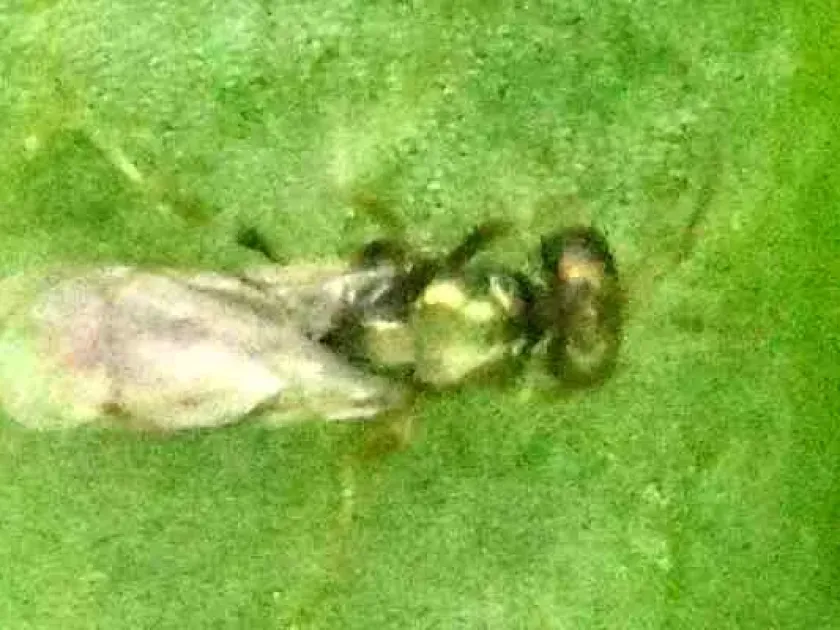
Description
How to identify
Torymus chloromerus is a species belonging to the family Torymidae, order Hymenoptera, known for its small size and characteristic metallic green appearance.
Adults possess a slender body and, in females, a long ovipositor, which is a specialized organ used for depositing eggs into plant tissues or galls.
While many members of the Torymidae family are parasitic, this specific species is frequently associated with phytophagous behavior, impacting plant development.
Correct identification often requires microscopic examination of morphological features, such as wing venation and the shape of the thorax.
These insects are generally elusive, often hiding within vegetation, making their presence difficult to detect until plant damage becomes visible.
What it damages
The primary damage occurs when larvae feed on internal plant tissues, leading to the formation of abnormal growths or galls on stems and buds.
This feeding behavior redirects the plant's resources away from healthy growth and reproduction, causing severe stress to the host plant.
When the infestation affects flower buds, it often results in bud blast, preventing flowering and leading to a significant reduction in fruit set.
Structural damage, such as the distortion of young shoots, can occur, causing the plant to develop stunted or misshapen branches.
In cases of severe infestation, the cumulative impact can weaken the plant, making it more susceptible to environmental stressors and other pests.
When it appears
The activity period for adult Torymus chloromerus typically aligns with the spring and early summer months when host plants are actively growing.
The life cycle is closely synchronized with the host plant's phenology, ensuring that larvae have an immediate food source upon hatching.
Winter is typically spent in the larval stage, entering diapause within the protected environment of a plant gall or similar woody tissue.
Adult emergence occurs as temperatures rise, signaling the beginning of the reproductive cycle and the need for immediate monitoring by growers.
Depending on the climatic zone, the insect may complete one or more generations throughout the growing season, increasing the risk of damage.
Signs of infestation
The presence of galls on stems, leaves, or buds is the most diagnostic indicator of an infestation by this specific species.
Internal inspection of these galls often reveals white or yellowish larvae that lack legs and reside inside the cavity created by their feeding.
The appearance of small, round exit holes on the surface of the galls indicates that the adults have successfully completed their development and emerged.
Browning or premature drying of shoots, coupled with a lack of new growth, serves as a warning sign of internal tissue damage caused by the larvae.
Growers should also watch for deformed floral structures that fail to open, as these are often occupied by developing larvae.
Control measures
The most effective management strategy involves sanitation, specifically the collection and destruction of all infested plant material during the winter.
Pruning out and burning galls before the adult insects emerge is a highly recommended practice to break the life cycle and reduce future populations.
Monitoring using yellow sticky traps can provide critical data on the timing of adult activity, allowing for better-timed intervention.
Chemical control should be applied sparingly, focusing on systemic insecticides that reach the target area before the female can oviposit.
Integrated Pest Management (IPM) practices, including the preservation of natural predators, are essential to keep populations below economic injury levels.
Taxonomy
- Latin name
- Torymus chloromerus
- Order
- Hymenoptera
- Family
- Torymidae
- EPPO code
- TORYCL
Discussion
No discussions yet — be the first.