
Tiphia
Tiphia
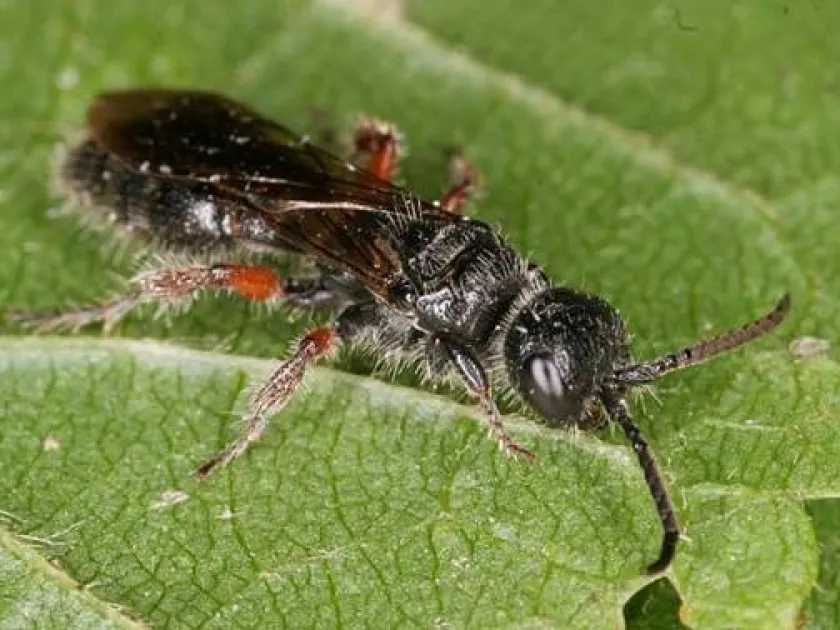
Description
How to identify
The genus Tiphia consists of parasitic wasps belonging to the family Tiphiidae (order Hymenoptera). These insects possess a slender, usually black body, and highly developed wings adapted for swift movement.
Identifying Tiphia wasps can be challenging for non-specialists due to their morphological similarity to other hymenopterans. Key diagnostic features involve the structure of the thorax and the specific wing venation patterns characteristic of the genus.
The biological success of Tiphia is based on their parasitic lifecycle. Females are equipped with a stinger, which they use to paralyze the larvae of scarab beetles, demonstrating a specialized evolutionary adaptation.
The life cycle involves a complete metamorphosis. Larvae are ectoparasites that develop on the surface of the host's body within the soil environment, remaining hidden from direct observation throughout their growth phase.
Adult Tiphia are frequently seen visiting flowering plants. This nectar-feeding behavior is crucial for the adults' survival and provides a distinct opportunity for monitoring their population density in a garden or field setting.
What it damages
The larvae of Tiphia primarily parasitize scarab beetle larvae, including the common May beetle (Melolontha melolontha). In this role, they act as natural biological regulators of soil-borne pests.
However, an uncontrolled increase in Tiphia population can be detrimental if they affect beneficial insects or disrupt the local ecological balance. Maintaining a stable population is key to avoiding negative impacts.
Plants themselves are not directly fed upon by the wasps. The damage to crops occurs indirectly: if Tiphia are absent or ineffective, the population of scarab larvae spikes, leading to severe destruction of root systems.
In agricultural practice, the role of Tiphia is double-edged. While they help manage scarab populations, their presence must be monitored to ensure they do not become a nuisance or disrupt integrated pest management programs.
Plant weakness or reduced yield is often the final symptom of soil imbalances. If the population of host insects is unchecked, crop health declines rapidly due to damaged subterranean structures.
When it appears
Adult activity peaks during the warm summer months, aligning with the flowering period of local vegetation. During this time, females actively search for host larvae within the soil to lay their eggs.
The life cycle continues throughout the summer and autumn. Once fully developed, the larvae spin a cocoon in the soil to undergo winter diapause, protecting them from harsh weather conditions until the next season.
Spring emergence is triggered by warming soil temperatures. This timing is critical, as it coincides with the initial growth stages of vegetable and fruit crops, making it a key window for observational monitoring.
The flight patterns of adults provide valuable data for predicting the success of parasitic activities in the upcoming months. Proper timing of observation is essential for effective farm management.
Managing soil cultivation during these periods can influence the success of the Tiphia life cycle, as it affects the cocoons buried in the topsoil layers.
Signs of infestation
A primary indicator of Tiphia presence is the consistent observation of adults feeding on nectar in garden beds. Their presence is a clear signal of their active role in the soil food web.
Discovering cocoons while digging or preparing soil is a definitive sign of an established population. These cocoons are typically small, durable structures designed for overwintering.
An unexpected drop in scarab beetle larvae count in a field, despite no chemical treatment, strongly suggests the presence of effective parasitic agents like Tiphia.
Plants exhibiting symptoms of root stress may indicate subterranean activity. While not always directly linked to Tiphia, the absence of roots is often a result of larvae which the wasps are meant to control.
- Observation of adults on flowers.
- Presence of distinct cocoons in the soil.
- Reduced scarab larvae population.
- Small soil entrances created by searching females.
Control measures
The primary control strategy for Tiphia is a balanced approach to agricultural management. Avoiding excessive use of broad-spectrum pesticides helps preserve these beneficial wasps and their impact on scarab pests.
Strategic soil cultivation, such as deep tilling in the off-season, physically destroys overwintering cocoons, helping to regulate the population density when necessary without heavy chemical reliance.
In areas where their presence is unwanted, managing the local flora to reduce nectar sources can discourage adults from settling. This should be handled carefully to avoid harming other useful pollinators.
Integrated Pest Management (IPM) protocols should evaluate the presence of Tiphia before applying any soil treatments, as indiscriminate use of chemicals can harm the entire natural regulatory system.
Monitoring remains the most effective tool. By tracking the population cycles and soil health, growers can make informed decisions that protect crop vitality while supporting the natural ecosystem.
Taxonomy
- Latin name
- Tiphia
- Order
- Hymenoptera
- Family
- Tiphiidae
- EPPO code
- TIPHSP
Discussion
No discussions yet — be the first.