
Chestnut aphid
Thelaxes castaneae
Description
How to identify
The chestnut aphid (scientific name Thelaxes castaneae) belongs to the family Thelaxidae. This aphid species is highly host-specific, primarily infesting trees within the Castanea genus.
These insects are small and often camouflage themselves against the bark or leaf surfaces of their host trees. They may be covered in a waxy substance that acts as a natural shield against environmental stressors.
The life cycle involves both wingless and winged forms, allowing the aphids to efficiently colonize different parts of the tree and spread to neighboring trees during the growing season.
The colonies are typically found on tender stems and the undersides of leaves, where they have easy access to the plant's phloem, which serves as their primary food source.
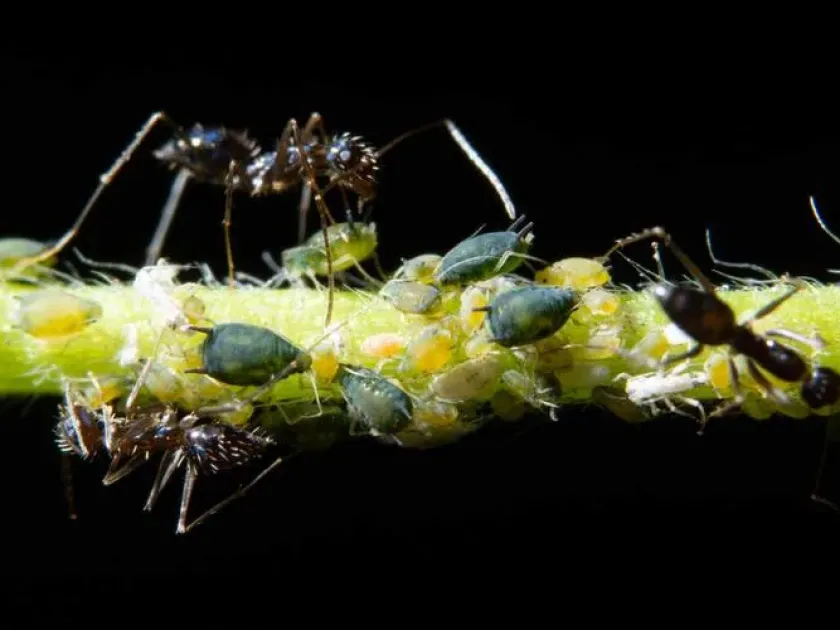
A distinctive feature of this species' existence is its mutualistic relationship with ants, which protect the aphid colonies from predators in exchange for the nutrient-rich honeydew secretions.
What it damages
The primary damage is caused by the aphids extracting plant sap, which leads to a significant loss of vitality, stunted growth, and a reduction in the tree's overall vigor.
Affected leaves often curl, deform, and undergo chlorosis, which disrupts the photosynthetic process and ultimately weakens the tree's ability to store energy for the next season.
The honeydew produced by the aphids covers the foliage and branches, providing an ideal substrate for the growth of sooty mold, a fungus that covers the plant in a black, powdery layer.
Young saplings are particularly susceptible, as heavy infestations can lead to shoot dieback and make the trees more vulnerable to harsh winter conditions and secondary infections.
In ornamental or commercial chestnut groves, the cosmetic and physiological damage caused by Thelaxes castaneae can lead to decreased aesthetic value and poor harvest yields.
When it appears
The activity of the chestnut aphid typically begins in early spring, synchronized with bud break and the emergence of new, succulent foliage that the aphids depend on for survival.
Population numbers usually reach their peak during the mid-summer months when warm temperatures allow for rapid reproduction and multiple generations to develop in a short timeframe.
As autumn approaches, the aphid activity declines, but they ensure their survival by depositing overwintering eggs within bark crevices and near dormant buds.
Environmental factors, especially drought, can create conditions that favor rapid aphid population expansion, making regular monitoring during the spring and summer essential.
Understanding the seasonal behavior of this pest is crucial for applying control measures at the most effective time, typically before the population becomes unmanageable.
Signs of infestation
The initial signs of an infestation include the curling of young leaves and the presence of a sticky, shiny film known as honeydew on the leaf surfaces.
Careful observation of the undersides of leaves, especially near the main veins, will reveal clusters of the aphids, which are often light-colored or brownish.
The development of black sooty mold on leaves and branches is a clear indicator of a long-standing aphid colony, even if the aphids themselves are momentarily hard to spot.
Increased ant traffic on the trunk and branches is a reliable "early warning" signal that an aphid colony is actively being "farmed" by ants somewhere in the tree canopy.
You may also notice shed white skins (exuviae) left behind by the aphids after molting, which can accumulate on the leaves and give the foliage a dusty or littered appearance.
Control measures
A successful management strategy involves promoting tree health through proper fertilization, adequate watering, and ensuring the tree is not under stress, which makes it more resilient.
Biological control methods focus on encouraging natural predators such as lady beetles, lacewing larvae, and hoverfly larvae, which are highly effective at suppressing aphid numbers.
- Applying systemic insecticides during peak infestation periods to effectively target the pests.
- Using insecticidal soaps or horticultural oils to manually wash away colonies on reachable branches.
- Pruning and removing severely infested shoots in the early stages to reduce the total pest population.
When using chemical treatments, it is vital to apply them during the early morning or evening to minimize the impact on non-target beneficial insects and pollinators.
Regular monitoring of the canopy and the surrounding ground for ant activity can help catch an infestation before it spreads, ensuring the long-term health of the chestnut trees.
Taxonomy
- Latin name
- Thelaxes castaneae
- Order
- Hemiptera (bugs, aphids, leafhoppers)
- Family
- Aphididae
- EPPO code
- THLXCS
Discussion
No discussions yet — be the first.