
Bear whitefly
Tetraleurodes ursorum
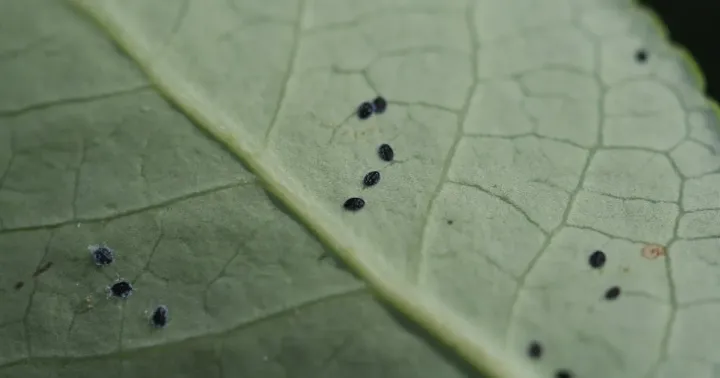
Description
How to identify
The bear whitefly (Tetraleurodes ursorum) is a member of the Aleyrodidae family, characterized by its unique larval stage covered in dense wax filaments that resemble fur, which gives the species its common name.
Adult insects are tiny creatures, usually white, measuring less than 2 millimeters in length and possessing two pairs of wings covered in a dusty white waxy powder.
The lifecycle consists of egg, four nymphal instars, and adult stages. The nymphs are sessile, flat, and oval-shaped, often appearing dark with a distinctive white waxy fringe.
Correct identification often requires microscopic examination of the pupal cases (puparia), as many whitefly species share similar morphological traits at the adult stage.
These insects tend to congregate on the undersides of leaves, utilizing the plant's vascular system to extract necessary nutrients for their development.
What it damages
This pest primarily targets various woody plants, including oak species (Quercus), where it colonizes leaf surfaces, creating dense populations during the growing season.
The primary damage results from phloem-feeding, which depletes the host plant of essential carbohydrates and water, leading to overall physiological stress and reduced growth vigor.
Like many other whiteflies, they excrete honeydew, a sugary byproduct that coats the foliage and provides a substrate for the growth of sooty mold, which effectively blocks sunlight.
Severe infestations cause premature leaf yellowing and drop, which can significantly weaken young or already stressed trees if not managed promptly.
In ornamental settings, the presence of sooty mold and white waxy excretions greatly diminishes the aesthetic value of the affected trees and shrubs.
Signs of infestation
The most reliable sign of an infestation is the presence of white, hair-like waxy structures on the undersides of leaves, where nymphs are actively feeding.
The appearance of sticky honeydew on the leaves below the infestation point, followed by the development of black sooty mold, is a classic indication of a whitefly colony.
Disturbing the branches usually results in a cloud of small, white adults taking flight, which confirms the presence of an active infestation in the tree canopy.
Yellowing, chlorotic spots, or curling of the leaves are common symptoms caused by the localized feeding of the nymphal stages on the leaf tissue.
Stunted shoot growth and a general lack of vitality in the plant during the peak summer months are key indicators that the pest population has reached critical levels.
Control measures
Integrated Pest Management (IPM) is recommended, focusing first on pruning practices that allow for better light penetration and airflow within the tree canopy.
Biological control, using predatory beetles or parasitic wasps, is highly recommended as it minimizes chemical exposure and keeps the pest population in check naturally.
Horticultural oils or insecticidal soaps can be effective when sprayed directly on the undersides of leaves, as these substances physically suffocate the nymphs without leaving toxic residues.
Systemic insecticides should be used as a last resort, specifically targeting the soil or trunk to avoid harming beneficial pollinators that may visit the tree flowers.
- Regular inspection of leaf undersides during early spring.
- Mechanical removal of heavily infested leaves.
- Use of yellow sticky traps to monitor adult flight activity.
- Encouraging natural predator habitats in the garden environment.
Taxonomy
- Latin name
- Tetraleurodes ursorum
- Order
- Hemiptera (bugs, aphids, leafhoppers)
- Family
- Aleyrodidae
- EPPO code
- TETLUR
Discussion
No discussions yet — be the first.