
Manzanita gall aphid
Tamalia coweni
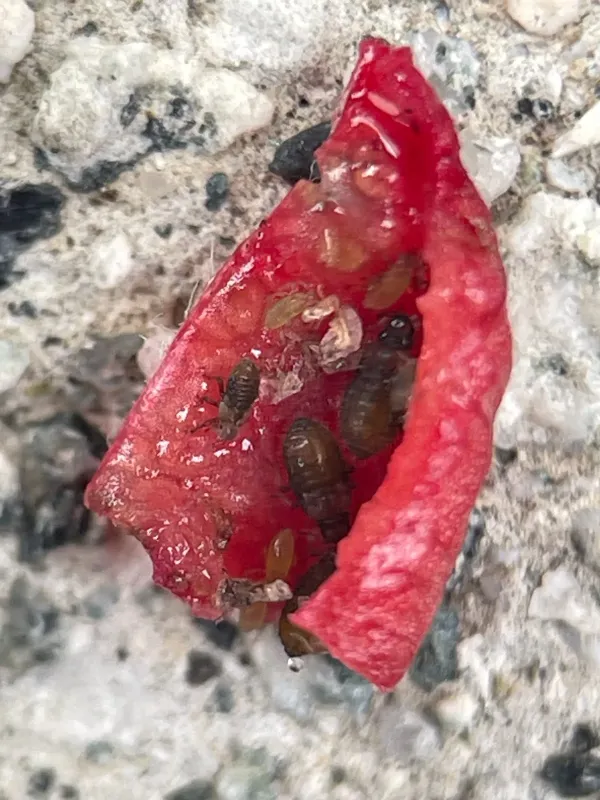
Description
How to identify
The manzanita gall aphid Tamalia coweni is a specialized species of aphid, primarily recognized for its unique ability to induce gall formation on its host plants.
Belonging to the order Hemiptera, this insect is structurally adapted to live protected within the plant tissues it manipulates.
Adults are small and often reddish-brown in color, facilitating their camouflage while dwelling inside the leaf galls.
The biological classification places it within the family Aphididae, where it stands out due to its symbiotic-like relationship with the host plant structure.
Identifying this pest is typically based on the morphology of the galls, as the aphids themselves are rarely observed outside these controlled environments.
What it damages
The primary hosts of this pest are plants within the Ericaceae family, most notably the Arctostaphylos (manzanita) species.
Feeding occurs through the extraction of phloem sap from the leaves, which causes significant physiological stress to the host.
The galls are formed as a defensive and nutritional reaction, providing the aphids with a protected habitat and a continuous food source.
Severe infestations can lead to stunted growth of new shoots, leaf distortion, and premature leaf drop, affecting the overall plant health.
Beyond physical damage, the presence of these colonies can make the plant more susceptible to opportunistic fungal infections.
When it appears
The seasonal cycle begins in early spring, synchronized with the flushing of new leaves on the host plant.
Activity peaks during the late spring and early summer when environmental conditions are optimal for aphid reproduction and gall expansion.
The population persists through multiple generations, continuously expanding its footprint across the foliage during the growing season.
As autumn approaches, the activity level drops, and the aphids transition towards their overwintering phase in protected areas of the plant.
Temperature and moisture levels are critical factors that influence the survival rate and the developmental speed of each generation.
Signs of infestation
The most diagnostic sign is the presence of characteristic leaf rolls or blister-like galls that vary in color from light green to deep red.
Leaf curling and unnatural thickening of leaf tissues are common visual markers that indicate an active infestation.
The secretion of honeydew on the leaf surface, often resulting in sooty mold growth, is a secondary sign of heavy aphid presence.
The presence of ants roaming over the plant canopy is a strong indicator that aphids or other sap-sucking insects are active nearby.
Examination of the inside of the galls will reveal the aphids themselves, along with their cast skins and waste products.
Control measures
Integrated pest management starts with cultural practices, such as removing and destroying infested leaves at the very first sight of gall formation.
Systemic insecticides are the most effective chemical control method because they are translocated into the plant sap where the aphids feed.
Insecticidal soaps and horticultural oils can be used to manage populations if applied thoroughly during the early stages of the season.
Promoting a healthy environment for natural predators, such as ladybugs and lacewings, can help suppress aphid numbers naturally.
Regular monitoring during the spring flush is essential to keep the population below the threshold that causes aesthetic or physiological harm.
Taxonomy
- Latin name
- Tamalia coweni
- Order
- Hemiptera (bugs, aphids, leafhoppers)
- Family
- Aphididae
- EPPO code
- TAMACO
Discussion
No discussions yet — be the first.