
Tamalia
Tamalia
Description
How to identify
Tamalia is a genus of insects belonging to the family Aphididae (true aphids). These specialized pests are often found on specific host plants, primarily within the Anacardiaceae family or related shrub species, where they maintain a complex life cycle.
Morphologically, Tamalia aphids are characterized by their small size and often cryptic behavior. They may appear as tiny, translucent, or wax-covered insects on the underside of leaves, which allows them to evade casual observation by gardeners and farmers.
The classification of this genus is based on specific anatomical features, including the structure of their cornicles and antennae. Unlike generalist aphids, they show a high degree of host specificity, making their presence predictable if the host plant is known.
Their biology involves intricate developmental stages, sometimes alternating between different parts of the plant or even different host species. This complexity is an adaptive strategy to survive fluctuating environmental conditions throughout the year.
For field identification, it is essential to look for subtle structural changes in the plant tissues. The insects are often well-camouflaged, blending in with the leaf veins or the surface texture of the host plant they have colonized.
What it damages
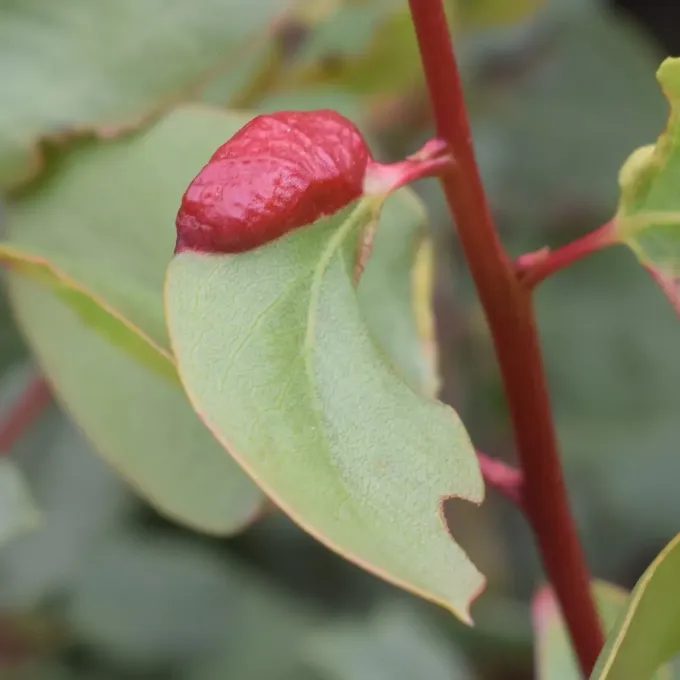
The primary damage caused by Tamalia is the formation of leaf galls or structural deformations. These are created as a result of the aphid’s feeding activity, where their saliva induces abnormal cell growth in the plant tissues.
By sucking the sap from young, developing leaves, these aphids deprive the plant of essential nutrients. This feeding process leads to reduced growth vigor, stunted development of the shoots, and a decline in the overall health of the infested plant.
In addition to physical deformation, the honeydew secreted by Tamalia aphids provides a substrate for sooty mold. This black fungal growth blocks sunlight, further inhibiting photosynthesis and reducing the aesthetic value of ornamental plants.
Severe infestations can lead to premature leaf drop and the death of young shoots. This stress makes the plant susceptible to secondary attacks by other pests or opportunistic pathogens, compounding the total damage to the host.
The cumulative impact on plant metabolism is significant. Even if the plant survives, the lack of energy reserves caused by chronic feeding can result in poor flowering or weakened root development for the subsequent season.
Signs of infestation
The most diagnostic sign of Tamalia infestation is the development of distinct leaf galls. These structures can appear as pockets, folds, or swelling on the leaf surface, serving as protective housing for the aphid colonies.
A sticky, shiny residue on the leaves or stems, known as honeydew, is a classic indicator of an aphid infestation. This substance is often followed by the development of a dark, dusty appearance caused by the growth of sooty mold.
Ant activity is another strong indicator. Ants are frequently attracted to the honeydew produced by the aphids and will actively tend to the colonies, protecting them from natural predators to ensure their own food source.
Leaf curling and yellowing are common symptoms that appear as the colony grows. These symptoms usually manifest on the newest growth where the tissue is tender and easy for the aphids to pierce with their mouthparts.
- Development of characteristic leaf galls.
- Presence of sticky honeydew on foliage.
- Visible sooty mold coverage on affected leaves.
- Increased ant traffic on the host shrub.
- Stunted or distorted young shoot development.
Control measures
Integrated Pest Management (IPM) is the best approach for controlling Tamalia. This starts with pruning and destroying heavily infested leaves or shoots during the early stages of the season to remove the primary source of the population.
Encouraging biological control is crucial. Predators such as lady beetles, lacewings, and hoverflies are effective at suppressing aphid numbers. Providing habitat for these beneficial insects can significantly reduce the need for chemical interventions.
If chemical control is necessary, systemic insecticides are the most effective. These are absorbed by the plant and provide protection to the inner tissues of the leaves and galls where the aphids may be sheltered from contact sprays.
When applying insecticides, it is important to include a spreader-sticker to ensure the solution penetrates any protective wax or waxy residues produced by the aphids. Always apply treatments during the cooler parts of the day to avoid plant stress.
Controlling ant populations is also a vital component of the management strategy. By placing sticky barriers or using ant bait around the base of the plant, you can prevent ants from protecting the aphids, thereby allowing natural predators to thrive.
Taxonomy
- Latin name
- Tamalia
- Order
- Hemiptera (bugs, aphids, leafhoppers)
- Family
- Aphididae
- EPPO code
- TAMASP
Discussion
No discussions yet — be the first.