
Bamboo aphid
Takecallis sasae
Description
How to identify
The bamboo aphid Takecallis sasae is a specialized pest belonging to the family Aphididae, within the order Hemiptera. These small insects are adapted to feed specifically on various bamboo species.
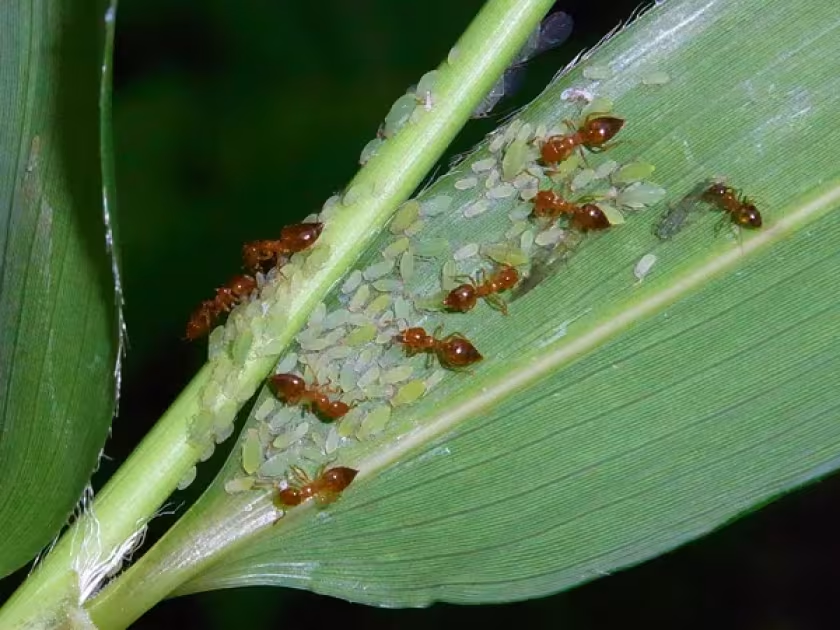
Adults typically exhibit a pale yellow or greenish coloration, allowing them to blend seamlessly with the foliage on the undersides of bamboo leaves, where they reside.
The life cycle of this species is synchronized with the phenology of host bamboo. It progresses through multiple nymphal stages, with both winged and wingless forms present depending on the season.
Reproduction is primarily parthenogenetic during the growing season, enabling rapid population growth under suitable environmental conditions.
Overwintering occurs in the egg stage, with eggs deposited on stems or leaf axils, making early spring inspections critical for monitoring the initial infestation levels.
What it damages
This pest causes significant stress to various bamboo genera, such as Sasa, Phyllostachys, and Pseudosasa, impacting both aesthetic value and physiological health.
By constantly extracting plant sap, the aphid drains vital nutrients, which impairs the growth and vigor of young bamboo shoots significantly.
The feeding process leads to tissue damage that disrupts photosynthesis, causing yellowing and a general decline in the vitality of the infested bamboo plants.
A major consequence of infestation is the excretion of honeydew, which accumulates on the leaf surface and serves as a substrate for sooty mold fungi.
Heavy infestations result in leaf drop, loss of plant biomass, and a compromised appearance, making the bamboo more susceptible to secondary diseases.
When it appears
The activity of Takecallis sasae begins in early spring when temperatures rise and persists throughout the growing season until the onset of autumn.
Populations tend to spike during periods of warm, dry weather, which favors rapid reproduction and the development of large colonies across the host plants.
Summer months are critical as the insect populations reach their maximum density, coinciding with the peak vegetative growth of the bamboo plants.
As temperatures drop in late autumn, the aphids produce eggs that will enter diapause, ensuring the population's survival throughout the winter months.
Effective management requires consistent monitoring from the moment new buds appear through the end of the active growing season.
Signs of infestation
The primary symptom of an infestation is the curling and distortion of leaf edges, where the aphids find shelter and food resources.
Close inspection of the underside of leaves usually reveals clusters of aphids and the white, discarded exuviae (cast-off skins) left after their molting.
The presence of sticky honeydew on the leaves below the colonies is a clear indication that a significant population of aphids is feeding above.
The development of black sooty mold on the foliage is a late-stage symptom, indicating a long-term infestation that needs immediate intervention.
The presence of attendant ant colonies, which feed on the sugary honeydew produced by the aphids, is a reliable indirect sign of pest activity.
Control measures
Managing the bamboo aphid involves a strategic approach combining cultural, biological, and chemical methods to suppress populations effectively.
- Implement pruning techniques to increase air circulation and reduce the density of bamboo thickets, which discourages colonization.
- Promote the presence of natural predators, including lady beetles, lacewings, and parasitic wasps, to control aphid numbers biologically.
- Apply systemic insecticides during severe outbreaks to provide long-lasting control and protect the plant's vascular system.
- Use horticultural soaps or oils for targeted, contact-based control on smaller plants or in areas where chemical use is restricted.
- Maintain robust plant health through proper fertilization and irrigation, as healthy bamboo plants are better equipped to withstand minor aphid pressure.
Taxonomy
- Latin name
- Takecallis sasae
- Order
- Hemiptera (bugs, aphids, leafhoppers)
- Family
- Aphididae
- EPPO code
- TAKESA
Discussion
No discussions yet — be the first.