
Stomphastis
Stomphastis
Description
How to identify
Stomphastis is a genus of small moths belonging to the family Gracillariidae. These insects are known for their highly specialized life cycles and their role as significant leaf miners in various ecosystems.
Adult moths are typically nocturnal, with narrow, fringed wings that aid in camouflage. Their flight patterns are usually short and erratic, making them difficult to spot in dense foliage.
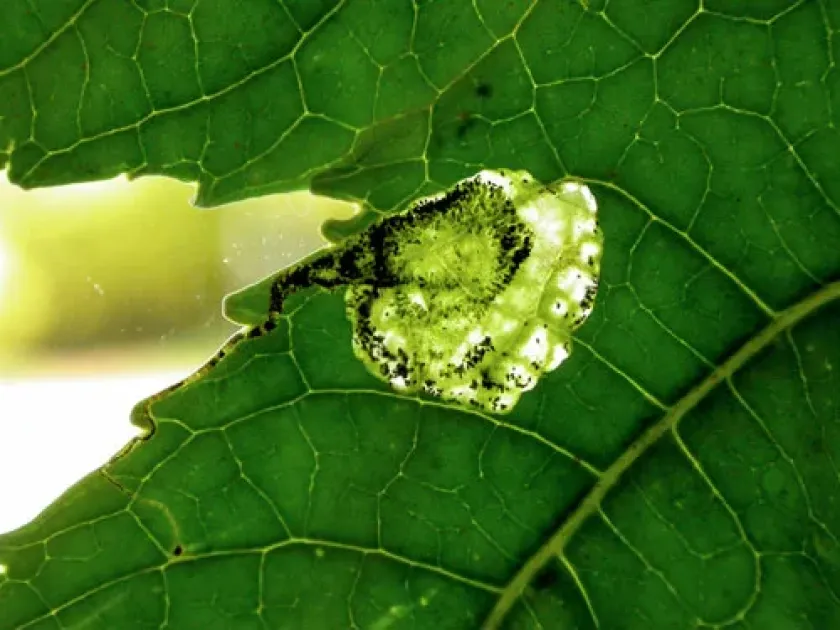
The larval stage is the most critical for identification. The larvae are flattened and specifically adapted for feeding inside the leaf mesophyll, creating distinctive patterns known as mines.
The life cycle undergoes complete metamorphosis, including the egg, larva, pupa, and adult stages. Each stage is strictly regulated by environmental factors like humidity and ambient temperature.
Due to their small size, these pests are often overlooked until significant damage to the host plant becomes visible to the naked eye.
What it damages
The primary hosts for Stomphastis species are often tropical crops, such as those in the Euphorbiaceae family. For instance, the cassava leaf miner causes substantial damage to cassava plantations.
Larvae consume the internal tissue of the leaves, which disrupts photosynthesis. This physiological stress reduces the plant's ability to produce energy and store nutrients in roots or fruits.
Severe infestations lead to massive defoliation, which severely compromises the plant’s health. If left uncontrolled, the plant may experience stunted growth or yield loss.
The mines created by larvae also serve as entry points for various phytopathogens, including fungi and bacteria, which further exacerbate the health decline of the plant.
In regions where these crops are staple commodities, Stomphastis is considered a serious economic pest that demands systematic monitoring and intervention.
Signs of infestation
The hallmark sign of Stomphastis infestation is the formation of leaf mines. These appear as irregular, meandering white or brown tracks visible on the leaf surface.
Affected leaves often exhibit curling or distortion, especially when larvae feed near the leaf margins. This prevents the leaf from expanding properly during development.
On the underside of the leaves, one might observe small dark pellets, which are the larval frass. These are clear indicators of active feeding by the larvae.
As the larvae mature, they may create small silk-lined chambers within the mines for pupation, often resulting in localized necrosis and drying of the surrounding leaf tissue.
Widespread yellowing and premature leaf senescence across the canopy are late-stage symptoms indicating a high population density of the pest.
Control measures
Effective management involves an integrated pest management (IPM) approach. This combines physical, biological, and chemical methods to keep population levels below the economic threshold.
Sanitation practices, such as the removal and destruction of infested plant debris, are crucial to reducing the local population and breaking the life cycle of the moth.
Systemic insecticides should be applied during the early stages of infestation, targeting newly hatched larvae before they securely establish themselves within the leaf tissue.
Encouraging the presence of natural predators, such as parasitoid wasps that specifically hunt leaf miners, provides a sustainable form of biological control.
- Routine monitoring using pheromone traps to track moth activity.
- Pruning and destroying heavily infested leaves to minimize spread.
- Using crop-specific bio-pesticides that minimize impact on non-target beneficial insects.
Taxonomy
- Latin name
- Stomphastis
- Order
- Lepidoptera (butterflies)
- Family
- Gracillariidae
- EPPO code
- STSTSP
Discussion
No discussions yet — be the first.