
Stomaphis
Stomaphis
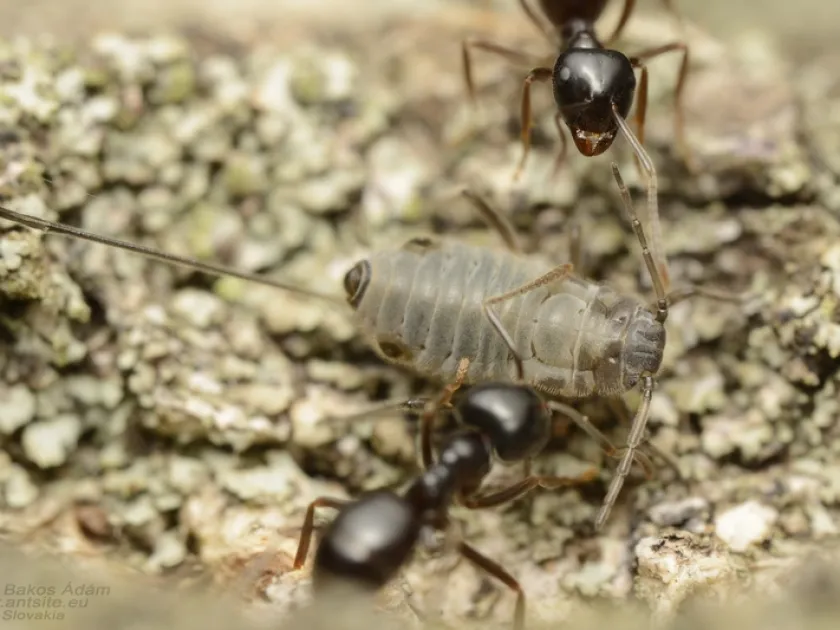
Description
How to identify
Stomaphis is a genus of large aphids belonging to the family Aphididae. Adult specimens are distinguished by their notable size and an elongated proboscis specifically adapted to pierce the thick bark of trees.
The coloration of these insects typically ranges from dark brown to near black, rendering them difficult to spot against the bark surface. Their bodies are frequently covered with a fine coating or delicate hairs.
A key characteristic of this genus is their specific adaptation to living on tree trunks and branches. Unlike leaf-dwelling aphids, Stomaphis species rarely leave the woody bark throughout their entire lifecycle.
Their biology is closely linked to ants, which provide the aphids with protection from predators and parasites in exchange for the honeydew they produce. Active ant trails around Stomaphis colonies are a frequent sight.
The insect's development involves several stages: egg, nymph, and adult. Depending on environmental conditions, the life cycle includes both wingless and winged individuals, which facilitates the spread of the pest to new areas.
What it damages
This pest primarily attacks deciduous tree species. Preferred hosts include oak, birch, and willow, as well as fruit-bearing trees such as apple, pear, plum, and walnut.
Colonies prefer to settle in bark crevices, near mechanical wounds, or at branch junctions. In areas where the bark is thinner, it is easier for them to access the plant's vascular tissues.
The primary damage is caused by both adults and nymphs, which suck sap from the plant's phloem in large numbers. This leads to general tree weakness, stunted shoot growth, and a decrease in overall tree vigor.
At high population densities, bark necrosis and premature leaf drop occur. Weakened trees often become targets for secondary pests, such as wood-boring bark beetles.
Beyond direct sap extraction, Stomaphis produces significant amounts of sticky honeydew. This substrate fosters the growth of sooty mold, which clogs bark pores and impairs the tree's respiratory and gas exchange processes.
When it appears
Stomaphis primarily overwinter in the egg stage, with females depositing eggs into bark crevices or protected spots on branches and trunks. This ensures the eggs remain resistant to harsh winter temperatures.
In spring, as sap flow begins and temperatures become favorable, the nymphs emerge from the eggs. They immediately begin feeding, triggering the colony's seasonal life cycle.
The population peak typically occurs in the first half of the summer. During this time, the insects reproduce actively, forming dense clusters that are visible to the naked eye on tree trunks.
In autumn, many species produce sexual individuals. After mating, females lay overwintering eggs, which remain on the tree until the following spring, completing the annual cycle.
Climatic factors, such as mild winters and damp springs, favor earlier and more massive pest outbreaks in orchards, requiring increased vigilance from growers at the start of the season.
Signs of infestation
The first visual sign of this pest's presence is the clustering of large, dark insects within bark grooves. They are often found sitting motionless, pressed tightly against the surface.
A characteristic symptom is the presence of "ant trails" on the trunks. Ants constantly moving up and down the tree act as tenders for the aphid colonies, signaling their exact location.
A sticky residue (honeydew) on the bark and lower trunk also serves as a reliable sign of Stomaphis activity. This glossy layer is easily spotted in sunlight, especially during the early morning.
The appearance of a black coating — sooty mold — on the bark indicates that the colony has been established for some time. This mold grows on the aphid excretions, creating an unsightly appearance on the trunk.
Reduced shoot growth and premature yellowing of leaves, often accompanied by shoot deformation, are secondary indicators of tree exhaustion resulting from the pest's activity.
Control measures
Controlling Stomaphis requires an integrated approach, starting with early spring treatments. Oil-based products are effective, as they create a film that blocks oxygen access to the overwintering eggs.
It is crucial to limit ant access to the tree canopy. Sticky barrier bands applied to the trunks are highly effective. Denied the protection of ants, the aphids become vulnerable to natural predators like ladybugs and lacewings.
In cases of high infestation, systemic insecticides are recommended. Their advantage lies in the fact that the product is absorbed into the plant's sap, providing long-lasting protection even if spray coverage of the bark is incomplete.
Biological control methods involve attracting beneficial entomophagous insects to the garden. Creating habitats for predators significantly reduces the need for chemical pesticide use.
Cultural practices include regular sanitary pruning, cleaning dead bark, and timely treatment of wounds. Well-maintained trees with healthy, smooth bark are far less attractive to these pests.
Taxonomy
- Latin name
- Stomaphis
- Order
- Hemiptera (bugs, aphids, leafhoppers)
- Family
- Lachnidae
- EPPO code
- STMASP
Discussion
No discussions yet — be the first.