
Zander
Stizostedion lucioperca
Description
How to identify
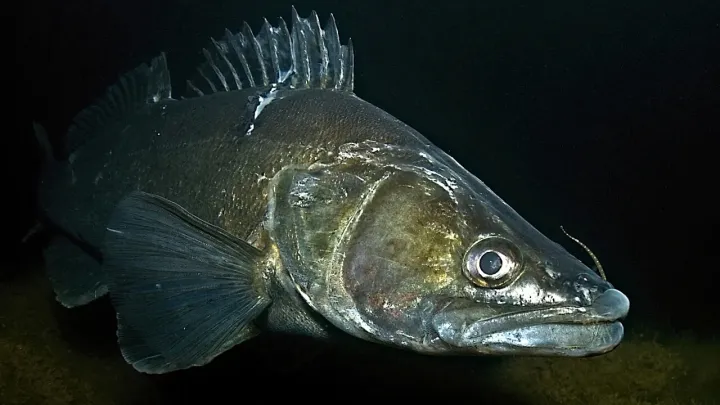
The zander (Stizostedion lucioperca or Sander lucioperca) is a prominent member of the Percidae family within the order Perciformes.
It is characterized by a slender, elongated body covered in small scales, featuring a distinctive greenish-grey coloration with dark vertical bands.
The most recognizable morphological feature is its formidable set of canine teeth, specialized for gripping prey in turbulent or deep aquatic environments.
Its eyes are highly developed with a light-reflecting layer (tapetum lucidum), which grants the species exceptional visual acuity in low-light conditions.
Zander typically inhabit large, clean rivers and lakes, preferring substrates that are firm, such as sand, gravel, or stone, rather than mud.
What it damages
The zander is a strictly piscivorous predator and does not represent a threat to agricultural crops or terrestrial plants in any capacity.
It exists entirely within aquatic environments, making direct damage to horticultural or cereal crops biologically impossible for this species.
As a predator, it contributes to the regulation of other fish populations, which serves as a natural balancing mechanism within freshwater ecosystems.
There is no evidence or agricultural justification to classify the zander as a pest, as its life cycle has zero interaction with cultivated flora.
Farmers and agronomists should consider this species a component of the local biodiversity rather than an agent of agricultural harm.
When it appears
The activity patterns of the zander are heavily dictated by water temperature and the specific biological cycle of the species throughout the year.
Spring is primarily characterized by the spawning period, during which the fish require specific water temperatures to successfully reproduce.
During the summer, the zander tends to seek deeper, cooler water strata to maintain its physiological functions and avoid thermal stress.
The autumn season serves as a critical window for increased feeding activity as the fish prepare to transition into the colder winter months.
In winter, despite colder temperatures, the zander remains active in deeper parts of water bodies, continuing its role as an apex predator.
Control measures
As the zander is not a pest, there are no control measures or protection protocols required for agricultural or horticultural operations.
Management of the species is limited to the oversight of environmental agencies to ensure the health of water bodies and sustainable fishing practices.
Any attempt to interfere with the local zander population is discouraged, as it plays a positive role in maintaining the health of water ecosystems.
The presence of zander in water bodies adjacent to farmland is often an indicator of good water quality and a balanced local environment.
Agronomists are encouraged to monitor nearby water bodies for ecological health, keeping in mind that zander are beneficial wild inhabitants.
Taxonomy
- Latin name
- Stizostedion lucioperca
- Family
- Percidae
- EPPO code
- STIZLU
Discussion
No discussions yet — be the first.