
Bean root aphid
Smynthurodes
Description
How to identify
The bean root aphid (Smynthurodes betae) is a specialized insect species belonging to the Aphididae family, known for its obligate subterranean lifestyle.
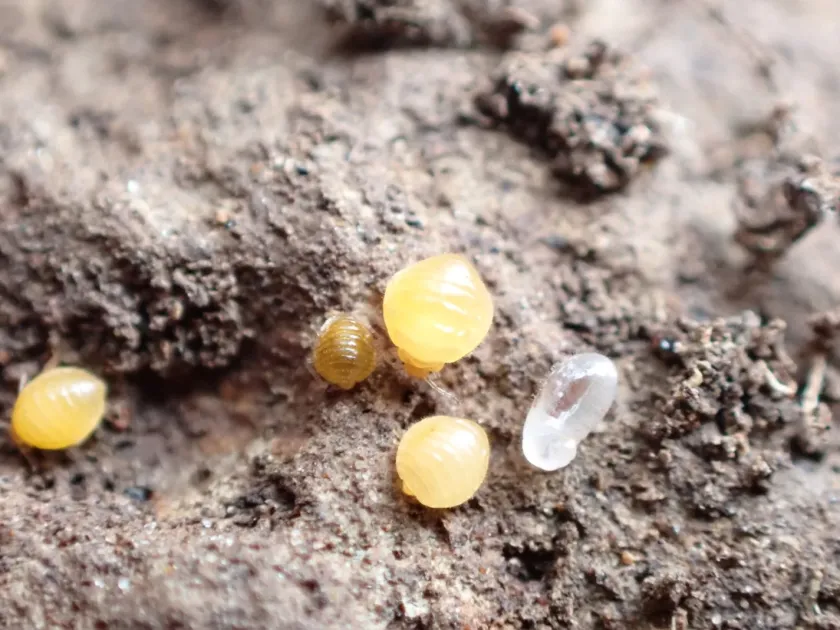
Adult aphids are typically small, measuring 1.5–2 mm in length, with a pale yellow to whitish body that is well-adapted to life beneath the soil surface.
Their bodies are coated with a distinctive white, waxy secretion, which acts as a protective layer against soil moisture and helps maintain the aphid's microclimate.
One of the key diagnostic features is their short, five-segmented antennae and significantly reduced eyes, which differentiate them from surface-dwelling aphids.
These insects are frequently found in dense clusters attached to the root systems of their host plants, often hidden within the soil structure.
What it damages
The bean root aphid primarily attacks legumes such as beans, peas, and vetches, but also poses a significant threat to sugar beet crops.
By feeding on root sap, the aphids extract essential nutrients, which severely stresses the plant and prevents optimal growth and development.
Feeding damage often results in the formation of necrotic spots on the roots, which serve as entry points for various soil-borne pathogens and fungal infections.
Severe infestations lead to stunted plant growth, yellowing foliage, and potentially plant wilting during periods of drought or high heat stress.
In commercial agriculture, heavy colonization of root systems can lead to significant crop loss and reduced yield quality due to compromised nutrient uptake.
When it appears
The lifecycle of the bean root aphid is highly synchronized with soil temperature and the availability of viable root systems for colonization throughout the year.
The species typically overwinters as eggs in the soil, although in milder climates, they may survive as active colonies on the roots of perennial weeds.
As soil temperatures rise in the spring, the overwintered eggs hatch, and the young aphids begin migrating towards the roots of emerging host plants.
Population levels usually peak during mid-summer, when optimal soil temperatures promote rapid reproduction and the colonization of new root areas.
As the season draws to a close, the aphids shift their activity towards producing the overwintering generation, ensuring the survival of the species until the next spring.
Signs of infestation
Early symptoms of infestation include an overall lack of vigor, stunted growth, and premature yellowing of the plants that does not respond to watering.
Upon closer inspection of the root zone, one can see white, powdery masses on the roots, which are the aphid colonies protected by their waxy coverings.
The presence of ants around the base of the plant is a strong indicator of root aphid activity, as they are attracted by the honeydew produced by the aphids.
Root systems may appear weakened or display areas of decay where the aphids have been feeding and allowing secondary pathogens to infect the tissue.
Patches of affected, struggling plants in a field are a common visual sign of a localized bean root aphid outbreak.
Control measures
Implementing a strict crop rotation program is one of the most effective strategies to break the aphid's lifecycle and reduce population buildup in the soil.
Thorough soil cultivation, including deep plowing after harvest, is crucial to physically destroy aphid colonies and disrupt their overwintering sites.
Rigorous weed control, particularly targeting Chenopodiaceae species, eliminates alternative hosts that allow the aphids to thrive between crop cycles.
Seed treatments with systemic insecticides are recommended in areas with a history of infestation to provide a protective barrier for young, vulnerable plants.
Maintaining soil health and fertility can help plants recover more effectively from aphid-related root damage, mitigating the overall economic impact.
Taxonomy
- Latin name
- Smynthurodes
- Order
- Hemiptera (bugs, aphids, leafhoppers)
- Family
- Aphididae
- EPPO code
- SMYNSP
Discussion
No discussions yet — be the first.