
Cypress aphid
Siphonatrophia cupressi
Description
How to identify
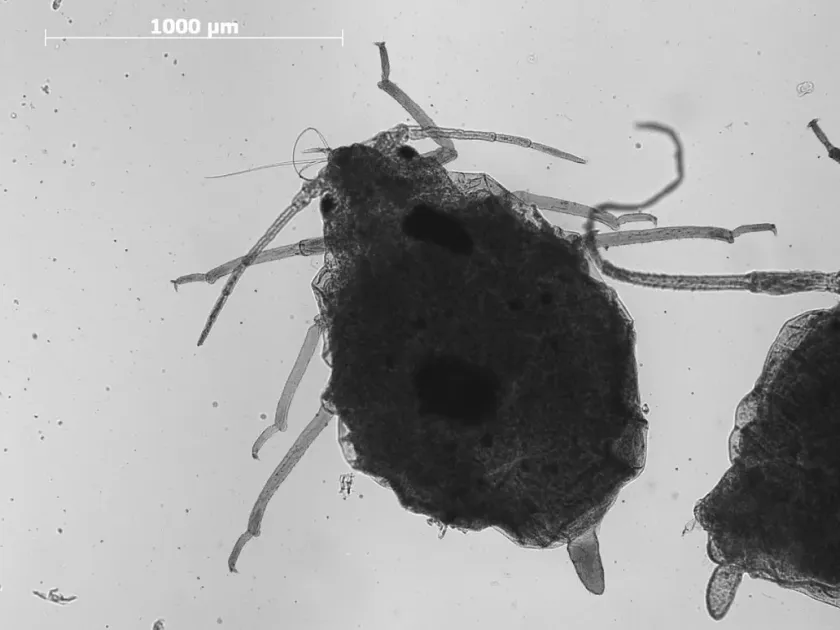
The cypress aphid (Siphonatrophia cupressi) is a small sap-sucking insect that belongs to the Aphididae family. It is a highly specialized pest that thrives on various coniferous trees, particularly those in the Cupressaceae family.
Adult aphids are typically yellowish-green or light brown, allowing them to blend seamlessly with the foliage of their host plants. Due to their small size, they often go unnoticed until significant damage appears.
Their reproduction is predominantly parthenogenetic during the growing season, meaning females give birth to live young without mating. This reproductive strategy allows them to build massive populations in a very short time.
Cypress aphids tend to cluster within the dense, shaded parts of the tree canopy. This behavior protects them from environmental extremes and natural predators, making control measures more challenging.
Winged forms of the aphid develop periodically to facilitate migration to healthy trees. This dispersal mechanism ensures the survival of the species and the colonization of new parts of the garden or plantation.
What it damages
The primary hosts of this pest include cypress, thuja, and juniper trees. The aphids feed by inserting their stylets into the soft tissue of young shoots and foliage to extract plant sap.
This feeding activity deprives the plant of essential nutrients and moisture, which leads to stunted growth and loss of vigor. The stress inflicted on the tree often makes it susceptible to opportunistic diseases.
As the aphids feed, they inject toxic saliva into the plant tissues. This causes yellowing, browning, and eventually the death of needles, which may drop off, leaving branches bare and unsightly.
In cases of severe infestation, the cumulative damage can lead to the death of entire branches or, in the case of young nursery stock, the loss of the entire plant within a single season.
The loss of foliage directly impacts the tree's photosynthetic capacity, which compromises its ability to store energy and recover from the infestation during the following winter and spring.
Signs of infestation
The most common indicator is the yellowing or browning of foliage, particularly on older inner branches. This color change is often mistaken for seasonal needle shed or winter burn.
Closer inspection reveals the presence of white, flaky exuviae (shed skins) caught in the foliage. These remnants are a telltale sign that a large colony of aphids has been actively feeding.
The production of honeydew is another major diagnostic feature. This sticky, sugary substance often coats the foliage and encourages the growth of sooty mold, which appears as a black, powdery layer.
Ant activity on the branches is a strong indicator of an aphid infestation. Ants actively tend and protect the aphids, harvesting the honeydew, which often leads to larger and more resilient aphid colonies.
Severe infestations cause needles to fall prematurely when the branch is shaken. Dead shoots at the center of the canopy are often brittle and show signs of tissue decay.
Control measures
Cultural control begins with maintaining plant health through proper irrigation and fertilization. Well-tended trees are more resilient to aphid feeding and can recover more effectively from minor infestations.
Pruning out heavily infested branches can reduce the initial population of aphids. It also helps open the canopy, increasing light and air circulation, which creates a less favorable environment for the pests.
For chemical control, systemic insecticides are the most effective choice. These products are absorbed by the plant and kill the aphids upon feeding, which is crucial for reaching insects hidden deep within the foliage.
Biological control, by encouraging natural enemies like ladybirds and lacewings, is an excellent long-term strategy. Avoiding broad-spectrum pesticides ensures these beneficial insects can survive and regulate aphid populations.
Consistent monitoring of vulnerable host trees during the spring and autumn is essential. Early detection allows for spot treatment, which keeps aphid numbers low without the need for intensive chemical interventions.
Taxonomy
- Latin name
- Siphonatrophia cupressi
- Order
- Hemiptera (bugs, aphids, leafhoppers)
- Family
- Aphididae
- EPPO code
- SPNACU
Discussion
No discussions yet — be the first.