
Honeysuckle aphid
Siphonatrophia
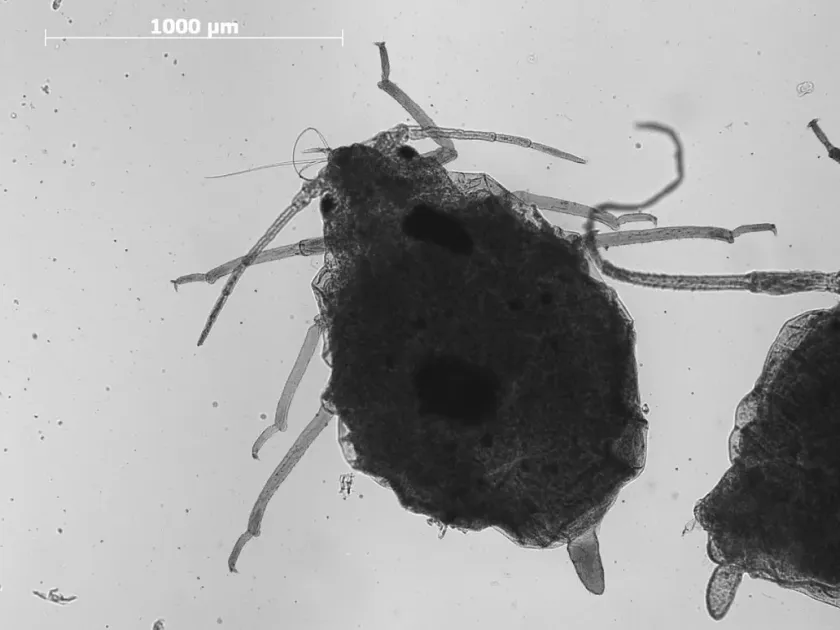
Description
How to identify
The honeysuckle aphid (Siphonatrophia) is a specialized insect species belonging to the Aphididae family, primarily known for infesting plants of the Lonicera genus. They are small, sap-sucking insects that reside on host plants throughout the growing season.
Adult aphids and nymphs typically measure between 2 and 3 millimeters in length. Their coloration ranges from pale green to light brown, which serves as effective camouflage against the stems and leaves of their host plant.
These insects possess specialized piercing-sucking mouthparts called a stylet, which they use to penetrate the plant epidermis to access nutrient-rich phloem sap. This feeding process often results in the formation of dense, localized colonies.
Their life cycle is characterized by rapid reproduction, often involving both asexual and sexual stages depending on environmental factors and seasonal changes. This high reproductive rate allows populations to explode quickly during warm periods.
The presence of attendant ants is a classic biological indicator of an aphid infestation. Ants actively protect these colonies to feed on the honeydew, a sugary byproduct excreted by the aphids during feeding.
What it damages
Siphonatrophia targets honeysuckle shrubs, focusing its feeding efforts on succulent tissues, such as new leaf growth and developing stems. By draining the plant's resources, aphids deprive the shrub of necessary sugars and amino acids.
The feeding process causes visible stress to the plant, leading to stunted growth, reduced vigor, and a general decline in overall health. This stress makes the host plant more susceptible to opportunistic secondary pathogens.
In addition to sap extraction, the aphids inject toxins during feeding that disrupt normal hormonal activity in the plant, often leading to twisted or curled leaves and malformed shoots that cannot function properly.
Heavy infestations lead to a significant decrease in flowering and berry production, as the plant reallocates energy to repair tissue damage rather than supporting reproductive structures.
The accumulation of honeydew on the leaves fosters the growth of sooty mold, a dark fungal layer that blocks sunlight, thereby reducing the efficiency of photosynthesis and further weakening the shrub.
Signs of infestation
The earliest symptom is the curling or distortion of young terminal leaves. These leaves may appear yellowish or limp, suggesting that the plant's vascular transport system is being compromised by constant sap withdrawal.
Terminal shoots may exhibit stunted or erratic growth patterns. If the aphids are present in large numbers, the tips of the branches may become visibly crooked or fail to develop into mature leaves.
Sticky residue, known as honeydew, on the surface of leaves is a definitive sign of an active colony. This substance often attracts ants, wasps, and bees, creating a noticeable gathering of insects around the infested parts of the plant.
Closer examination of the underside of leaves and along the petioles usually reveals colonies of these small insects. One may also observe discarded white skins, which are left behind after the aphids molt.
The sudden appearance of black sooty mold on the foliage is a late-stage indicator that the aphid colony has been present for some time and that the plant's defense mechanisms are being overwhelmed.
Control measures
Cultural control includes maintaining plant health through proper fertilization and pruning, which helps shrubs recover faster from pest pressure. Removing heavily infested tips manually can help reduce the initial population size.
Biological control methods are highly effective. Encouraging natural predators such as ladybugs (Coccinellidae), lacewings, and hoverfly larvae by planting nectar-rich flowers nearby can naturally suppress aphid numbers.
Chemical control should be considered if the infestation reaches economic thresholds. Systemic insecticides are often preferred because they move through the plant tissues, providing long-lasting protection against persistent feeders.
It is crucial to time applications carefully, preferably in the late evening, to minimize impact on beneficial pollinators that visit the honeysuckle flowers.
- Regular inspection of honeysuckle bushes.
- Ant exclusion methods to stop ant-aphid symbiosis.
- Application of horticultural oils or soaps for mild infestations.
- Usage of neonicotinoids or pyrethroids only when necessary, following label instructions.
Taxonomy
- Latin name
- Siphonatrophia
- Order
- Hemiptera (bugs, aphids, leafhoppers)
- Family
- Aphididae
- EPPO code
- SPNASP
Discussion
No discussions yet — be the first.