
Sipha
Sipha
Description
How to identify
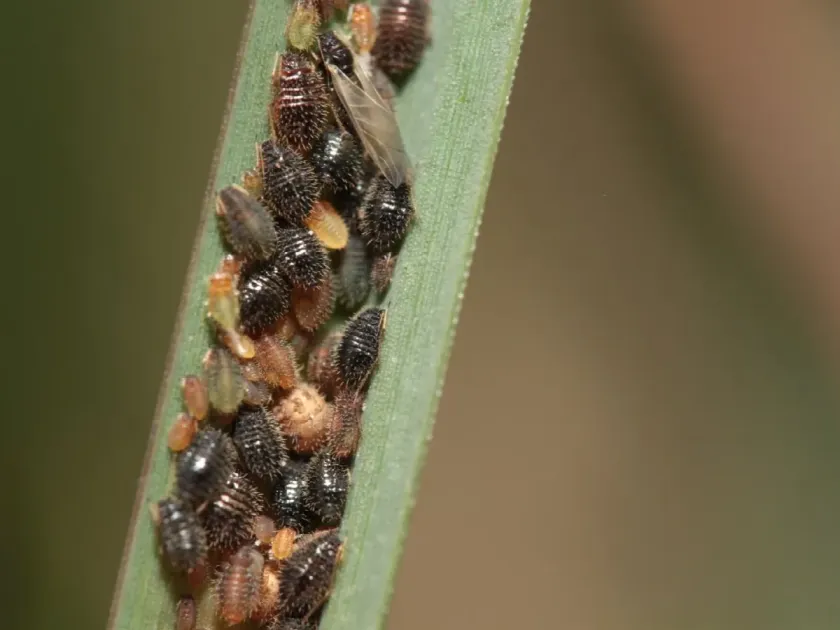
Sipha is a genus of aphids belonging to the family Aphididae. These insects are distinguished by their flattened body shape and a covering of fine, short bristles.
Adult coloration is quite variable, ranging from pale yellow to dark brown or black, depending on the specific environmental factors and the host plant.
The body is typically oval-shaped, and they possess relatively short antennae compared to other common cereal aphids, which is a key identifying trait.
They exhibit complex life cycles involving both asexual and sexual reproduction stages, allowing them to adapt quickly to different conditions.
They typically overwinter in the egg stage, which are laid on crop residues or wild grasses, ensuring survival through harsh winter periods.
What it damages
These pests primarily target members of the Poaceae family, causing significant economic damage to wheat, barley, oats, and various millet varieties.
The aphids feed by extracting phloem sap, which deprives the plant of essential nutrients and leads to stunted growth and reduced grain yield.
Infestations are particularly destructive to young seedlings, where feeding can cause the plants to wither or fail to establish properly.
Sipha species are also known vectors of several plant viruses, which can cause even more devastating effects on crop health than direct feeding damage.
Heavy infestations reduce the overall vigor of the crop, making it more susceptible to environmental stress and secondary pathogen infections.
When it appears
Activity usually begins early in the growing season as temperatures rise, typically coinciding with the tillering phase of cereal crops.
Peak population growth and dispersal occur during the late spring and early summer when weather conditions favor rapid multiplication.
During the intense heat of mid-summer, population levels might fluctuate or decline, but the insects often persist in shaded or cooler microhabitats.
In autumn, winged forms migrate to winter cereals or grasses to lay eggs, preparing for the upcoming cold season.
Scouting programs should focus on these critical transition periods to detect initial colonization and prevent population explosions.
Signs of infestation
Early symptoms include yellowing, curling, or reddening of the leaves, particularly where the aphid colonies are actively feeding.
Detailed inspections often reveal clusters of small aphids on the underside of leaves or within the leaf sheath areas.
- Chlorotic spots on leaves due to sap extraction.
- Presence of sticky honeydew on the foliage.
- Sooty mold growth on leaves covered in honeydew.
- Reduced plant height and general weakness.
- In severe cases, leaf necrosis and premature senescence of the foliage.
Control measures
Cultural control methods such as managing volunteer cereals and controlling grassy weeds are essential to eliminate alternative host sites.
Proper crop rotation practices help disrupt the life cycle of the aphid and reduce the buildup of pest pressure over several growing seasons.
Chemical control involving systemic insecticides is recommended when pest density exceeds the economic threshold for the specific crop stage.
Encouraging biological control by protecting natural enemies like lady beetles, lacewings, and parasitic wasps is highly effective for long-term management.
Integrated Pest Management (IPM) strategies, including regular field monitoring and targeted insecticide use, are the most sustainable approaches.
Taxonomy
- Latin name
- Sipha
- Order
- Hemiptera (bugs, aphids, leafhoppers)
- Family
- Aphididae
- EPPO code
- SIPHSP
Discussion
No discussions yet — be the first.