
Singhiella
Singhiella
Description
How to identify
Singhiella is a genus of insects belonging to the family Aleyrodidae, commonly known as whiteflies, which are major pests in warm climates and greenhouses.
The adult form is a tiny, moth-like insect characterized by white powdery wings and a delicate, fragile body structure measuring roughly 1-2 millimeters.
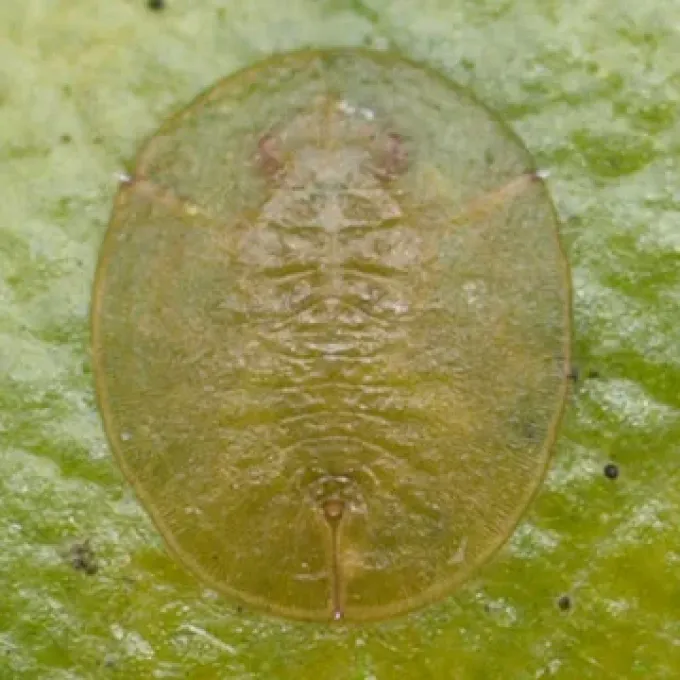
The nymphal stages are sessile, meaning they attach themselves to the underside of leaves and remain stationary until they reach the adult stage.
These insects undergo hemimetabolous development, with the final nymphal stage, often called a puparium, being the most resistant to external environmental factors.
Identification is primarily based on the morphological characteristics of the puparia under magnification, as adult features are often too similar to other whitefly species.
What it damages
Singhiella primarily targets citrus species, ficus varieties, and various evergreen ornamental shrubs grown in controlled or semi-controlled environments.
By piercing the leaf tissue and extracting nutrient-rich sap, the insects weaken the plant structure, leading to stunted growth and reduced fruit yield.
The continuous loss of sap results in systemic stress, making the host plant significantly more susceptible to other biotic and abiotic stressors.
Excessive feeding activity can cause leaf necrosis and premature abscission, which, if left unmanaged, may result in the death of the entire plant.
High infestation rates can lead to severe economic losses in commercial nurseries where cosmetic quality and plant health are of critical importance.
Signs of infestation
The most noticeable symptom is the presence of honeydew on the leaves, a sticky waste product secreted by the whiteflies during their feeding process.
This substance serves as a substrate for sooty mold, which appears as a black, velvety layer, further inhibiting the plant's ability to undergo photosynthesis.
Infested plants often display chlorosis, with yellowing spots appearing on the leaves before they curl and eventually dry out or drop off.
When disturbed, clouds of adult whiteflies will immediately take flight, revealing a heavy presence of the pest within the plant canopy.
Examination of the abaxial (bottom) leaf surface will reveal small, flattened, oval-shaped nymphs, often clustered together in high densities.
Control measures
Effective management begins with the use of yellow sticky traps, which are essential for early detection and reducing the adult population.
Systemic insecticides, particularly those belonging to the neonicotinoid class, are highly effective as they move through the plant's vascular system.
Biological control using predatory mites or parasitic wasps, such as those from the Encarsia genus, can be highly effective in managed greenhouse settings.
Regular physical cleaning of leaves using horticultural oils or insecticidal soaps helps to break the lifecycle by removing nymphs and clearing honeydew.
It is vital to rotate different chemical classes in a spray program to prevent the development of pesticide resistance within the Singhiella population.
Taxonomy
- Latin name
- Singhiella
- Order
- Hemiptera (bugs, aphids, leafhoppers)
- Family
- Aleyrodidae
- EPPO code
- SINLSP
Discussion
No discussions yet — be the first.