
Shivaphis
Shivaphis
Description
How to identify
Shivaphis is a genus of aphids belonging to the family Aphididae, within the order Hemiptera. These are small, sap-sucking insects that are often identified by their association with specific woody host plants.
The adult aphids and nymphs are characterized by a piercing-sucking mouthpart, which they use to feed directly on the vascular tissues of leaves and tender young stems.
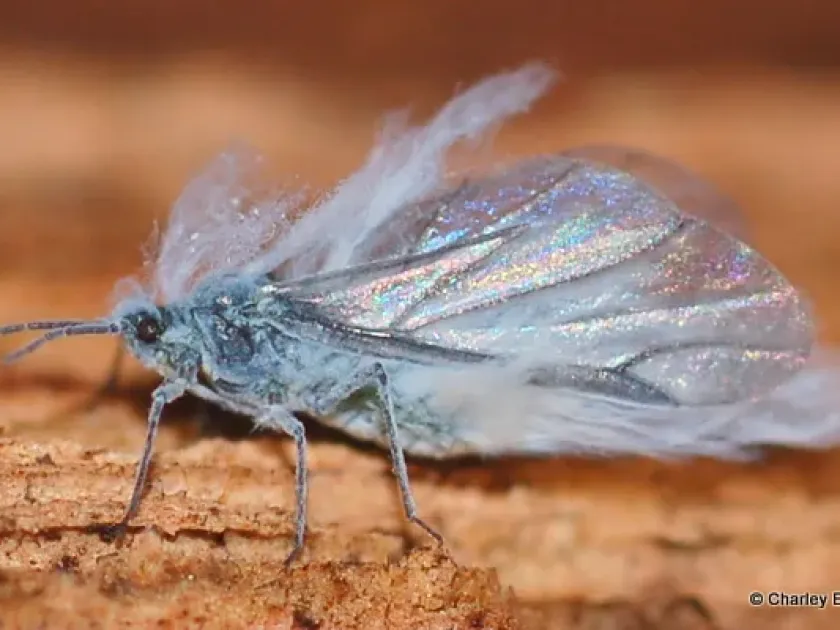
Many species within this genus are known for their distinct waxy secretions, which give them a fluffy or whitish appearance, serving as a defense mechanism against environmental stressors.
They typically reproduce through parthenogenesis throughout the growing season, allowing for rapid colonization of host plants when environmental conditions are optimal.
Overwintering occurs primarily at the egg stage, with the eggs deposited in small crevices of the bark, making them highly resistant to environmental changes and standard pesticide applications.
What it damages
Shivaphis species primarily infest woody plants, with a notable preference for species within the Styrax genus and other ornamental broadleaf trees.
The primary damage results from the continuous removal of phloem sap, which depletes the plant's nutrient reserves and disrupts essential metabolic processes.
As feeding progresses, the leaves exhibit signs of stress, such as curling, yellowing, and premature senescence, which reduces the photosynthetic capacity of the entire canopy.
A significant secondary effect of this infestation is the production of honeydew, a sticky substance that falls onto lower leaves and branches, creating a substrate for sooty mold.
The accumulation of black sooty mold inhibits light absorption and further compromises the health of the tree, potentially leading to branch dieback in severe cases.
When it appears
The life cycle of Shivaphis is closely synchronized with the phenology of its host plants, with egg hatch occurring early in the spring as buds begin to open.
Population density typically peaks during the late spring and early summer months, coinciding with the flush of succulent new vegetative growth.
Multiple generations can be produced within a single season, with the rate of development being strongly influenced by ambient temperature and relative humidity levels.
During the onset of autumn, environmental cues trigger the production of sexual morphs that mate and lay overwintering eggs to ensure the survival of the population.
Periods of prolonged hot and dry weather are often associated with outbreaks, as host plants under drought stress are frequently more susceptible to aphid colonization.
Signs of infestation
An early indicator of an infestation is the observation of white, cotton-like wax clusters on the undersides of leaves or along the veins of new growth.
Visual symptoms include stunted, deformed, or curled leaves, which serve as a clear indication that the plant is under continuous feeding pressure from the aphid colony.
The presence of a sticky, glistening residue (honeydew) on foliage is a major diagnostic sign that the population has reached an economically damaging density.
Increased ant activity on the tree is a common secondary sign, as ants are known to tend to aphids to harvest the sugar-rich honeydew secretions.
Over time, the affected tree may show general signs of decline, such as reduced vigor, delayed shoot elongation, and lower overall aesthetic quality.
Control measures
Managing Shivaphis requires an integrated pest management approach that combines cultural, biological, and chemical control strategies for long-term success.
Cultural practices, such as maintaining optimal plant health through regular irrigation and balanced fertilization, can help trees better tolerate aphid-related stress.
Biological control agents, including predatory lady beetles, lacewing larvae, and parasitic wasps, play a vital role in suppressing populations if undisturbed.
If chemical intervention is deemed necessary, systemic insecticides are preferred as they effectively target sap-sucking insects through the plant's vascular system.
- Regular monitoring of tree foliage for early signs of wax clusters.
- Pruning and disposing of heavily infested branches to reduce local populations.
- Targeted application of horticultural oils during the dormant season.
Taxonomy
- Latin name
- Shivaphis
- Order
- Hemiptera (bugs, aphids, leafhoppers)
- Family
- Aphididae
- EPPO code
- SHIVSP
Discussion
No discussions yet — be the first.