
Woolly apple aphid
Schizoneura
Description
How to identify
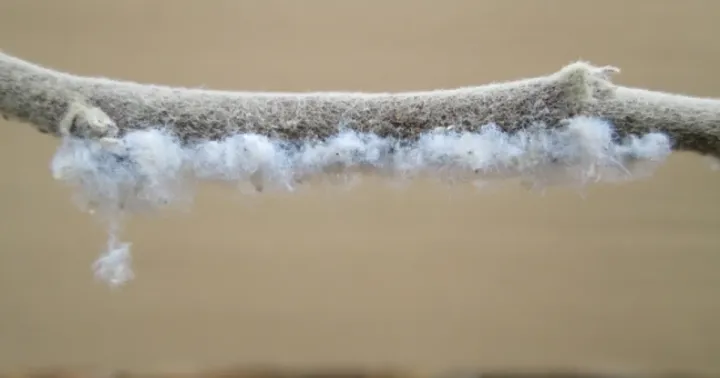
The Woolly apple aphid (Eriosoma lanigerum) is a serious pest affecting orchard trees. It is easily identified by the white, cotton-like waxy filaments that the nymphs and adults secrete to cover their colonies on the bark.
If the waxy covering is removed, the aphids themselves appear dark reddish-brown. When crushed, they release a red fluid, which is how the common name "blood aphid" originated in various languages.
The life cycle involves multiple generations per year. They spend the winter as nymphs in cracks in the tree bark, at the base of the trunk, or even on the roots if the soil conditions permit.
As temperatures rise in the spring, the nymphs emerge and begin feeding. They are prolific breeders, and in suitable climates, they can produce several successive generations throughout the growing season.
The aphids are dispersed primarily by wind, but human activity, such as transporting infested nursery stock, is a major factor in spreading the pest to new orchard areas.
What it damages
The primary host for this pest is the apple tree (Malus domestica), although it can also infest pear, quince, and cotoneaster. Damage is caused by the aphid sucking sap from the phloem of the tree.
Feeding triggers the formation of abnormal tissue growths known as galls. These galls can form on branches, stems, and especially on the root systems, severely impacting the tree's vascular health.
Severe infestations cause branches to become brittle and eventually die back. The damage to the root system is particularly dangerous, as it reduces the tree's ability to absorb water and nutrients.
The resulting wounds serve as entry points for pathogens, particularly fungi like Nectria canker, which causes the bark to rot and can eventually kill the entire tree if left untreated.
Economic damage is substantial, as infested trees show reduced vigor, smaller fruit size, and poor quality. In severe cases, especially with young nursery trees, the entire plant may be lost.
Control measures
The most effective long-term strategy is planting resistant rootstocks. Many modern commercial apple varieties are grafted onto rootstocks bred specifically to resist Woolly apple aphid infestation.
Cultural control involves regular pruning of infested shoots and their prompt destruction. Clearing away water sprouts or suckers at the base of the tree is critical, as these are frequent sites for initial colonisation.
Biological control plays a significant role. The parasitic wasp Aphelinus mali is a highly effective specialist predator that has been successfully introduced in many parts of the world to manage aphid populations.
Chemical control must be timed carefully. Systemic insecticides are generally preferred as they travel through the sap stream, making it easier to reach the aphids beneath their protective waxy layer.
- Scraping off loose bark to remove overwintering sites.
- Applying horticultural oils during the dormant season.
- Maintaining healthy soil to improve tree vitality.
- Monitoring nurseries to ensure only aphid-free stock is used.
Taxonomy
- Latin name
- Schizoneura
- Order
- Hemiptera (bugs, aphids, leafhoppers)
- Family
- Aphididae
- EPPO code
- SCHZSP
Discussion
No discussions yet — be the first.