
Pine needle aphid
Schizolachnus piniradiatae
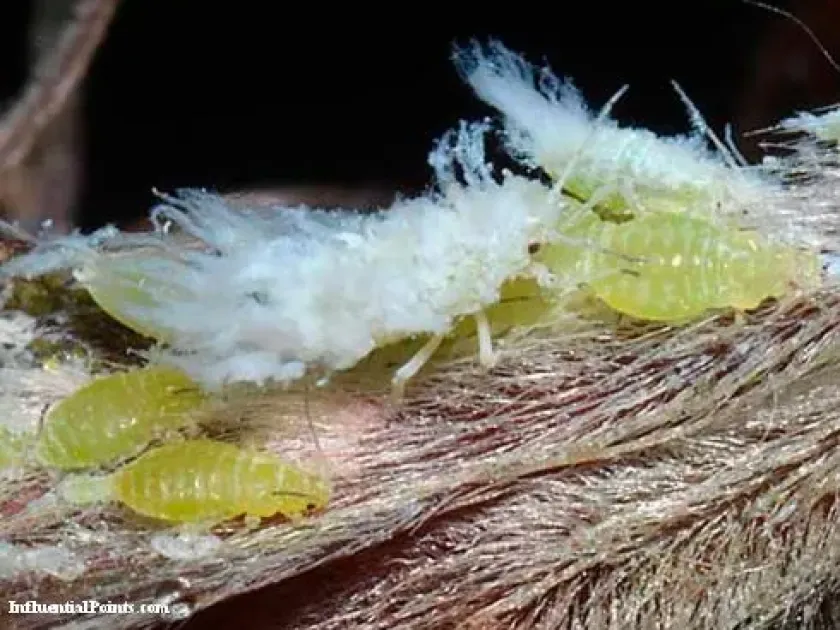
Description
How to identify
The pine needle aphid is an insect belonging to the family Aphididae, specifically adapted to feeding on various species of pine.
These aphids are relatively small and characterized by dark, camouflaging colors that make them difficult to spot on the needle surface.
They live in colonies, typically aligned in neat rows along the pine needles, which is a distinctive behavioral trait of this specific species.
The population consists of both winged and wingless forms, allowing the aphid to colonize new parts of the tree or adjacent plants efficiently.
Their reproduction is largely parthenogenetic during the growing season, which leads to rapid population explosions under favorable conditions.
What it damages
The primary hosts are pine trees, where the aphids feed on the sap extracted from the vascular tissues of the needles.
Feeding activity causes significant physiological stress to the tree, reducing its vigor and overall growth potential.
The needles exhibit symptoms of chlorosis, curling, and early senescence due to the continuous extraction of cellular nutrients.
Severe infestations often lead to premature needle drop, which detracts from the aesthetic value of ornamental pines.
The presence of aphids promotes the growth of sooty mold, which can block photosynthesis and further compromise the tree's health.
When it appears
The activity cycle begins in early spring as soon as temperatures rise enough to initiate the hatching of overwintering eggs.
Peak populations are usually observed during the late spring and early summer when the trees produce new, succulent growth.
While summer heat may slow reproduction in some areas, the aphids typically remain present on the needles throughout the season.
As autumn approaches, the aphid produces eggs that are laid on the needles and twigs to survive the harsh winter conditions.
Overwintering as eggs provides a survival advantage, ensuring the continuation of the species when the next spring arrives.
Signs of infestation
The presence of honeydew, a sticky substance secreted by the aphids, is often the first visible indicator of an infestation.
A secondary sign is the appearance of black sooty mold growing on the honeydew, which covers the needles and stems of the infested tree.
Close inspection of the needles often reveals rows of small, dark-colored insects clustered along the length of the pine needles.
Yellowing of the needles, particularly in the lower canopy, serves as a strong diagnostic indicator of feeding damage.
Increased activity of ants around the tree is frequently observed, as ants are attracted to the honeydew produced by the aphids.
Control measures
Systemic insecticides are generally considered the most effective control measure for eliminating pine needle aphid colonies.
Integrated Pest Management strategies suggest prioritizing biological control by preserving natural predators like lady beetles and lacewings.
Regular monitoring of trees during the early spring is crucial to identify and treat infestations before they spread across the canopy.
Cultural practices, such as maintaining healthy tree vigor through proper watering and avoiding excessive nitrogen fertilization, can reduce susceptibility.
In cases of light infestation on smaller trees, washing the needles with a pressurized water spray can effectively dislodge and reduce the population.
Taxonomy
- Latin name
- Schizolachnus piniradiatae
- Order
- Hemiptera (bugs, aphids, leafhoppers)
- Family
- Aphididae
- EPPO code
- SCHLPN
Discussion
No discussions yet — be the first.