
Short-bodied grain aphid
Schizaphis rotundiventris
Description
How to identify
The short-bodied grain aphid (Schizaphis rotundiventris) belongs to the order Hemiptera, family Aphididae. It is a specialized pest that significantly impacts cereal crop production.
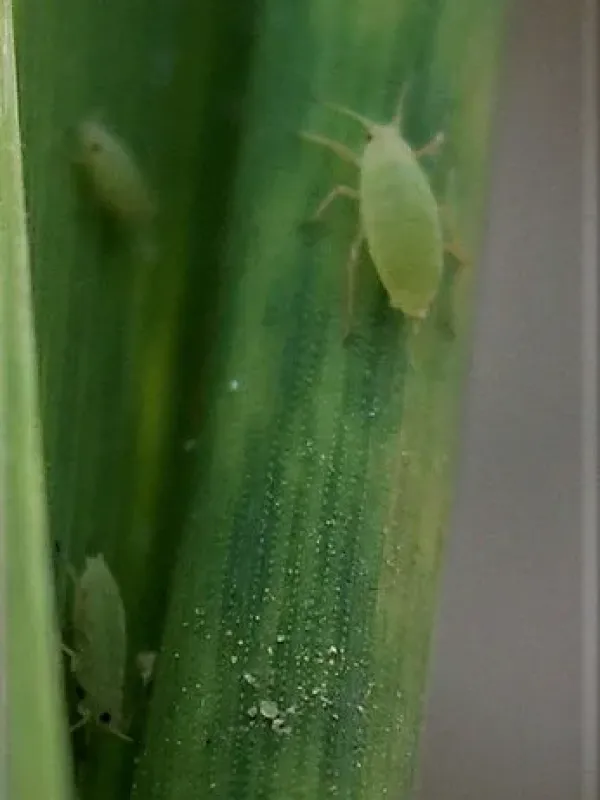
Adult insects are small, with a characteristic pear-shaped body. The coloration can range from pale green to yellowish-brown, allowing them to blend in with the leaf surface.
The species is distinguished by its short cornicles (siphunculi) and specific abdominal structure. Both winged and wingless forms exist within a single population, aiding in dispersal.
Development involves hemimetabolous metamorphosis, where nymphs resemble adults but are smaller. Their life cycle is highly responsive to environmental temperature and moisture.
Colonies are typically established on the undersides of leaves, protected by the microclimate of the canopy, which makes them difficult to spot during early infestation stages.
What it damages
The primary hosts include a wide range of cereal crops, most notably wheat, barley, oats, and rye. It also survives on wild grasses that serve as alternative food sources.
By feeding on phloem sap, these aphids remove essential nutrients and water from the plant tissues. This feeding process results in reduced photosynthetic activity and stunted growth.
Direct damage occurs when feeding intensity is high, causing yellowing, chlorosis, and in severe cases, the necrosis of leaf tissues. This leads to reduced grain weight and yield.
A major concern is the transmission of plant viruses, particularly Barley Yellow Dwarf Virus (BYDV). Infected plants display reduced height, yellow leaves, and poor root development.
Yield loss is compounded by both the physical stress of the aphid infestation and the systemic effect of the viral diseases transmitted during feeding.
When it appears
The pest usually overwinters as eggs on volunteer winter cereal crops or perennial weeds. In milder climates, some active adults may survive through the winter months.
Population growth begins in the spring as temperatures rise, leading to the hatching of eggs and rapid nymphal development. Hot, dry conditions are highly favorable.
Multiple generations occur throughout the growing season. Winged individuals migrate between fields, ensuring the spread of the population across larger agricultural areas.
Infestation reaches its peak during the heading and grain-filling stages. High populations during this period directly jeopardize the final quality of the harvested grain.
As the season ends and temperatures decline, aphids move to early-planted winter cereals to lay eggs, completing the annual cycle of the pest.
Signs of infestation
The initial signs of an aphid outbreak include leaf curling and a gradual loss of color in the plant foliage. Plants often look slightly wilted even when soil moisture is adequate.
- Accumulation of sticky honeydew on the leaves.
- Growth of sooty mold fungus on the sugary aphid excretions.
- Yellowish patches of stunted plants within the field.
- Visible aphid colonies clustered on the underside of foliage.
- Premature senescence of the lower leaves of the cereal plants.
Scouting should be prioritized during the tillering and jointing stages. Early detection is crucial because the population can explode in just a few days.
Farmers should look for "hot spots" where plants are visibly struggling and inspect the lower leaves carefully to confirm the presence of the aphids.
Control measures
Integrated pest management starts with cultural practices such as managing weeds and volunteer grains that act as bridges for the aphid population.
Using resistant crop varieties is a highly effective strategy to lower the impact of aphid feeding and reduce the transmission of viruses.
When the economic threshold is reached, the application of systemic insecticides is necessary to protect the crop and maintain productivity.
Natural enemies such as ladybeetles, lacewings, and parasitic wasps play a key role in suppressing aphid populations; their presence should be encouraged.
Careful application of pesticides, including timing and choice of product, is required to prevent secondary outbreaks and maintain the ecological balance.
Taxonomy
- Latin name
- Schizaphis rotundiventris
- Order
- Hemiptera (bugs, aphids, leafhoppers)
- Family
- Aphididae
- EPPO code
- SCHPRO
Discussion
No discussions yet — be the first.