
Black cereal aphid
Schizaphis nigerrima
Description
How to identify
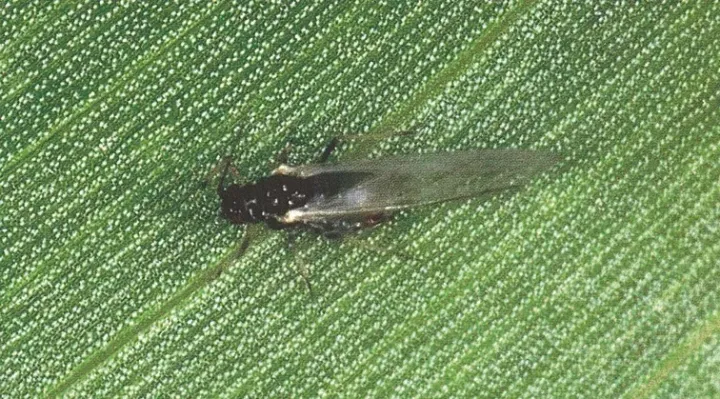
The black cereal aphid (Schizaphis nigerrima) is a small insect belonging to the Aphididae family, primarily affecting various cereal crops. As the name suggests, the adult insects typically possess a dark, black-to-brown appearance, distinguishing them from common green aphid species.
This species exhibits a complex lifecycle, often including both apterous (wingless) and alate (winged) forms. The wingless forms are responsible for rapid local colony expansion, while winged migrants facilitate dispersal to new fields.
Development proceeds via incomplete metamorphosis, where nymphs resemble smaller versions of the adults. These nymphs undergo several molting stages, quickly reaching maturity to continue the process of parthenogenetic reproduction.
The insects are adapted to temperate climates, showing high survival rates during mild winters. Their ability to switch between wild grasses and cultivated cereals ensures constant pressure on agricultural areas throughout the season.
Correct identification requires inspection of the undersides of leaves and within the leaf sheaths. Because of their dark color, they often blend in with the shadows of the crop canopy, making early detection challenging for farmers.
What it damages
The primary hosts for this aphid are wheat, barley, rye, and oats. By feeding on the phloem sap of these plants, the aphids disrupt normal metabolic functions, leading to reduced photosynthesis and overall plant stress.
The most severe damage occurs when infestation peaks during the elongation and heading stages. Intense feeding leads to significant loss of nutrients, which directly translates into reduced grain weight and poor yield quality.
Beyond direct feeding damage, the species is a known vector for several cereal viruses, such as barley yellow dwarf virus. Even a minor aphid presence can lead to widespread viral infection, which is often more devastating than the aphid feeding itself.
Symptoms of heavy infestation include stunted plant growth, leaf chlorosis, and the development of necrotic areas. If not controlled, the cumulative stress on the plant can lead to significant biomass loss and premature death of the plant.
The accumulation of aphids on the ears and flag leaves can ruin the market value of the grain. Farmers often report reduced milling quality and lower protein content in heavily infested crops.
When it appears
Aphid populations typically begin to build up in early spring as temperatures rise, moving from overwintering hosts to young cereal crops. This initial migration is critical for determining the overall pest pressure for the rest of the season.
During the spring and early summer months, rapid population growth occurs. Frequent generations allow the aphid density to explode within a short period, especially under favorable conditions of moderate temperatures and adequate humidity.
As summer temperatures peak or host plants begin to dry out, alate forms migrate to more succulent vegetation. This ensures the species persists throughout the growing season, moving between different grass species.
In autumn, as daylight hours shorten, the aphids shift their reproductive strategy, laying overwintering eggs. These eggs remain viable on plant debris or winter cereals, serving as the biological anchor for the next year's cycle.
Climate patterns, particularly those involving warm springs followed by mild winters, significantly influence the population dynamics of this pest, often leading to outbreaks in subsequent cropping cycles.
Signs of infestation
The most prominent sign of infestation is the presence of dark, dense aphid colonies located on the leaves, stems, or ears. Their dark color makes them look like small black clusters against the green backdrop of the crop.
Visual signs of stress, such as yellowing or chlorosis, are common markers of early aphid feeding. Over time, these patches turn into curled, withered leaves, which significantly compromise the plant's structural integrity.
The production of honeydew, a sticky secretion, is a diagnostic sign of active feeding. This substance not only attracts ants but also provides a substrate for black sooty mold growth, causing leaves to look dirty and blackened.
Distortion of the heading organs, such as crooked ears or incomplete development of grain, indicates that the aphids have been present for a significant duration. Such visual indicators are often associated with critical yield loss.
General yellowing of the crop, often starting from the lower leaves and moving upwards, is a classic sign of aphid stress. Fields may appear to be suffering from water or nutrient deficiency before the insects are properly identified.
Control measures
Effective management begins with strict weed control, as wild grasses serve as primary reservoirs. Eliminating these alternative hosts around field borders is essential for reducing the initial spring infestation.
Good agricultural practices, such as choosing high-quality certified seeds and maintaining balanced nitrogen fertilization, help crops remain vigorous and resilient against aphid attacks.
Chemical control should be triggered by economic thresholds. Systemic insecticides are preferred as they penetrate the plant tissues, providing effective control even when aphids are sheltered within curled leaves or leaf sheaths.
Encouraging natural predators, such as lady beetles, lacewings, and parasitic wasps, is a core component of Integrated Pest Management. Avoiding broad-spectrum pesticides helps preserve these beneficial insects, which keep aphid numbers in check.
- Regular crop scouting to monitor population densities.
- Use of pest-resistant cereal cultivars where available.
- Crop residue management to disrupt the overwintering cycle.
- Targeted application of insecticides to avoid harming pollinators and natural enemies.
Taxonomy
- Latin name
- Schizaphis nigerrima
- Order
- Hemiptera (bugs, aphids, leafhoppers)
- Family
- Aphididae
- EPPO code
- SCHPNI
Discussion
No discussions yet — be the first.