
Rosy leaf-curling aphid
Sappaphis
Description
How to identify
The rosy leaf-curling aphid (Sappaphis) belongs to the order Hemiptera and the family Aphididae. It is a major pest known for causing severe leaf deformation through its feeding process.
Adult aphids are small, typically around 2-2.5 mm in length, with a body color ranging from light green to a distinctive rosy or reddish-brown hue, depending on the generation.
The species exhibits a heteroecious life cycle, meaning it alternates between different host plants during the season, starting on fruit trees and moving to herbs.
They possess specialized mouthparts used to pierce plant tissue and extract phloem sap, which is the primary driver of the significant physical damage caused to the host.
The population reproduces rapidly, with several generations produced throughout the growing season, allowing them to quickly infest entire orchards if left unchecked.
What it damages
The primary hosts of Sappaphis are apple trees, although other species within the Rosaceae family, such as pears, can also be severely affected by their feeding.
The damage begins with the leaves, which curl and deform as a result of the toxic saliva injected by the aphids, preventing proper leaf expansion and photosynthesis.
Affected shoots suffer from stunted growth and premature hardening, which negatively impacts the overall architecture and structural integrity of the tree.
Fruit development is often compromised; infested fruit becomes small, misshapen, and develops discolored spots, significantly reducing the commercial value of the crop.
The accumulation of honeydew secreted by the aphids provides a substrate for sooty mold growth, which further blocks light and air circulation for the affected leaves.
When it appears
The lifecycle begins in early spring when overwintering eggs hatch, timed precisely with the budding of the host apple trees to ensure an immediate food source.
Peak infestation levels typically occur in late spring and early summer, when the most rapid multiplication of colonies takes place on the undersides of young leaves.
During the mid-summer months, winged forms of the aphid migrate to secondary host plants, leading to a temporary decline in visible populations on fruit trees.
In autumn, return migration occurs, where winged individuals return to the primary host to mate and lay eggs, which will remain dormant throughout the winter.
Environmental conditions such as mild, damp springs are particularly conducive to the rapid increase of aphid populations, often leading to severe outbreaks.
Signs of infestation
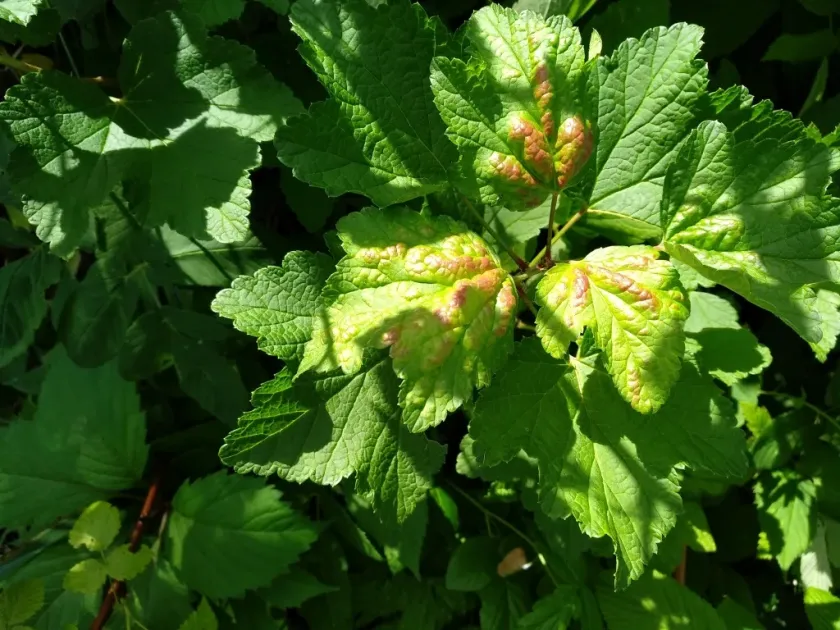
The most recognizable sign of an infestation is the curling and puckering of leaves, often accompanied by a distinct red or pinkish discoloration on the leaf surface.
A careful inspection of the underside of these curled leaves reveals colonies of aphids clustered together, often surrounded by sticky honeydew secretions.
The presence of ants crawling on branches is a common secondary sign, as they are attracted to the honeydew and often protect the aphids from predators.
Black sooty mold forming on the leaves and fruit is a clear indicator that a colony has been established for a significant period of time.
Reduced vigor of the tree, noticeable by yellowing leaves and premature leaf drop during the peak of summer, confirms heavy pest pressure.
Control measures
Effective management begins with winter or early spring sprays, such as dormant oils, to kill the overwintering eggs before they hatch.
Good orchard hygiene, including the removal of water sprouts and suckers, helps minimize the sites available for egg-laying and early colonization.
- Applying systemic insecticides during the early stages of bud development.
- Encouraging natural predators such as lady beetles, lacewings, and parasitic wasps.
- Monitoring trees closely during the pre-bloom and post-bloom stages for initial signs of curling.
Chemical control must be applied early, as once leaves become tightly curled, it is physically difficult for contact insecticides to reach the aphids inside.
Maintaining a balanced fertilization program that avoids excessive nitrogen levels helps prevent the rapid, tender growth that aphids prefer to feed upon.
Taxonomy
- Latin name
- Sappaphis
- Order
- Hemiptera (bugs, aphids, leafhoppers)
- Family
- Aphididae
- EPPO code
- SAPPSP
Discussion
No discussions yet — be the first.