
Fig aphid
Reticulaphis fici
Description
How to identify
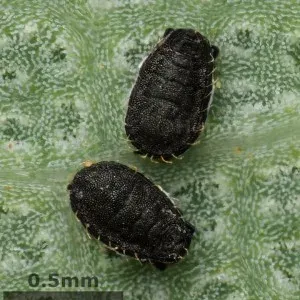
Fig aphid (Reticulaphis fici) is a specific member of the Aphididae family, known for its distinct adaptation to fig trees.
These insects are characterized by their flattened bodies, which allow them to remain inconspicuous while feeding on the underside of leaves.
The coloration of Reticulaphis fici is typically pale to yellowish-green, providing excellent camouflage against the foliage of Ficus carica.
Due to their small size and sedentary lifestyle, these aphids often go unnoticed by growers until a significant colony has already been established.
Adult females often produce waxy secretions that serve as a physical barrier against environmental stressors and potential predators.
What it damages
The primary host for this pest is the common fig, where it feeds on plant sap, depriving the tree of essential nutrients and moisture.
Constant feeding stress weakens the tree, leading to reduced vigor, poor growth of new branches, and potentially lower fruit production.
Severe infestations disrupt the plant's physiological processes, which can cause early leaf drop and overall decline of the specimen.
The aphids secrete honeydew, a sugary substance that covers the foliage and promotes the growth of sooty mold, blocking sunlight from the leaves.
In nursery settings, this pest can be particularly destructive to young, vulnerable plants, causing stunted growth and deformity.
Signs of infestation
Visual identification usually begins with observing yellowish or chlorotic spotting on the upper surface of the leaves, directly above feeding sites.
Leaves may exhibit signs of curling, distortion, or uneven development due to the depletion of sap and damage to plant tissues.
The presence of ants roaming on the branches and leaves is a frequent indicator, as they are drawn to the honeydew excreted by the aphids.
Close inspection of the underside of leaves will reveal colonies of these flattened insects nestled against the veins, often surrounded by white debris.
Accumulation of black sooty mold on leaves and branches is a late-stage symptom indicating that the aphid population is well-established.
Control measures
Successful management of Reticulaphis fici relies on early detection and a combination of cultural and chemical strategies.
For chemical control, systemic insecticides are highly effective as they move throughout the plant tissue to reach the aphids feeding on the undersides.
Cultural methods include regular monitoring and the removal of heavily infested leaves or shoots during the early season.
Applying horticultural oils or insecticidal soaps can be effective for smaller, localized infestations by smothering the insects upon contact.
- Ensure good tree nutrition to improve resistance against pest attacks.
- Promote biological control by protecting natural predators like lady beetles and lacewings.
- Maintain proper tree spacing and pruning to improve air circulation and reduce favorable conditions for the pest.
- Apply treatments during the cool parts of the day to minimize potential phytotoxicity.
- Always follow label instructions when using chemical products to protect the environment and beneficial insects.
Taxonomy
- Latin name
- Reticulaphis fici
- Order
- Hemiptera (bugs, aphids, leafhoppers)
- Family
- Aphididae
- EPPO code
- ASPXFI
Discussion
No discussions yet — be the first.