
Burrowing nematode
Radopholus similis
Description
How to identify
The burrowing nematode (Radopholus similis) belongs to the order Tylenchida and the family Pratylenchidae. It is a microscopic endoparasitic worm that leads a mobile life within the tissues of plant roots.
Adult individuals have a worm-like body shape, reaching a length of about 0.5–0.8 mm. Males are significantly smaller than females and possess a degenerate oral apparatus, while females have a developed stylet for piercing plant cells.
The nematode's life cycle lasts from 20 to 25 days under optimal conditions with temperatures around 24–26°C. The pest spends its entire life cycle either within the root or in the soil substrate directly adjacent to the root system.
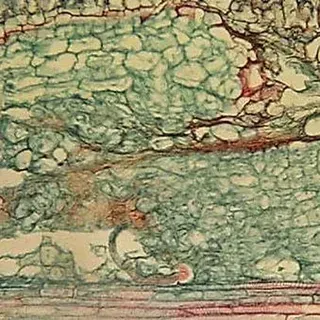
Reproduction occurs sexually. The female lays eggs in the tissues of the affected root, from which larvae hatch and begin feeding actively, destroying plant cells and creating extensive cavities inside the root.
This pest is a polyphage and represents a serious threat to global agriculture, which leads to its high quarantine status in many countries around the world.
What it damages
The primary host of this nematode is citrus, but the range of affected plants is extremely wide. Damage is observed in bananas, pineapples, coffee, black pepper, and many ornamental crops.
The damage manifests as the destruction of the root cortex and parenchyma. Affected areas often become entry points for secondary infections caused by pathogenic fungi and bacteria, which accelerate the decay of the root system.
Mass infestation leads to the inhibition of growth of the plant's aerial part. Citrus trees lose productivity, fruits become small, and the overall vitality of the crop drops sharply.
In severe cases, complete degradation of the root system occurs, leading to plant wilting (dieback) and death within a few seasons if control measures are not implemented.
Economic damage includes not only harvest loss but also the cost of expensive replacement of planting material and the need for soil disinfection on large areas.
Signs of infestation
At early stages, detecting the nematode is difficult as symptoms are often masked by common nutrient deficiencies. Plants appear chlorotic, growth slows down, and premature leaf drop is observed.
Upon examination of the root system, necrotic spots and dark lesions can be seen with the naked eye. In areas of active feeding, the root tissue softens and turns black.
For accurate diagnosis, laboratory examination of soil and root tissue samples using the Baermann funnel method or staining roots with specific dyes to reveal cavities is required.
In banana plantations, a characteristic sign is the presence of toppling, as the damaged roots lose their ability to anchor the plant in the soil against strong winds.
Gradual thinning of stands and uneven development of plants in the field are also indirect indicators of the presence of a Radopholus similis population.
Control measures
The main control method is the use of certified, nematode-free planting material. Quarantine inspection when moving seedlings is mandatory to prevent the spread of the pest.
Applying thermal treatment to planting material (hot water baths) allows for effective destruction of nematodes within root tissues before establishing new plantations.
Crop rotation and fallow periods using non-susceptible crops help reduce the pest population density in the soil to safe levels.
The chemical method involves the application of nematicides to the soil, although this is a complex process requiring strict adherence to environmental regulations and safety rules when handling toxic substances.
Agrotechnical practices, such as improving drainage and optimizing irrigation regimes, increase plant resilience, allowing them to compensate for the damage caused by root system degradation.
Taxonomy
- Latin name
- Radopholus similis
- Order
- Nematodes
- Family
- Pratylenchidae
- EPPO code
- RADOCI
Discussion
No discussions yet — be the first.