
Hirschmanniella
Hirschmanniella
Description
How to identify
Hirschmanniella is a genus of plant-parasitic nematodes belonging to the family Pratylenchidae, order Tylenchida. These are migratory endoparasites that move through root tissues and soil, making them difficult to eradicate once established.
The adults are slender, worm-like organisms ranging in length from 1 to 2 millimeters. They possess a prominent stylet used for piercing cell walls to extract nutrients from the cortical tissues of the roots.
The biological life cycle of this nematode involves several developmental stages, where juveniles and adults actively feed and move within the host roots, causing progressive internal damage.
They can survive outside of the host in the soil for a limited period, and their reproduction is highly responsive to favorable temperatures, typically between 20°C and 30°C.
Accurate identification of Hirschmanniella species often requires morphological examination by a nematologist, as they share similar structural characteristics with other related genera.
What it damages
The primary host for Hirschmanniella is rice, where it inflicts severe damage to the root system, often leading to the condition known as 'root rot' or 'yellowing disease' in paddy fields.
Beyond rice, these nematodes can parasitize various other crops and aquatic weeds, which act as reservoirs for the pest when primary hosts are not cultivated.
By consuming the internal contents of root cells, the nematodes disrupt the plant's ability to transport water and essential nutrients, leading to stunted shoot growth and reduced biomass.
The physical wounds created during the feeding process provide entry points for soil-borne pathogens, including bacteria and fungi, which exacerbate the overall damage to the crop.
Yield losses in heavily infested fields can be devastating, sometimes exceeding 40-50% if environmental conditions favor the rapid proliferation of the nematode population.
Signs of infestation
The initial appearance of an infestation is characterized by chlorosis (yellowing) and stunted growth of plants, often appearing in circular or irregular patches within a field.
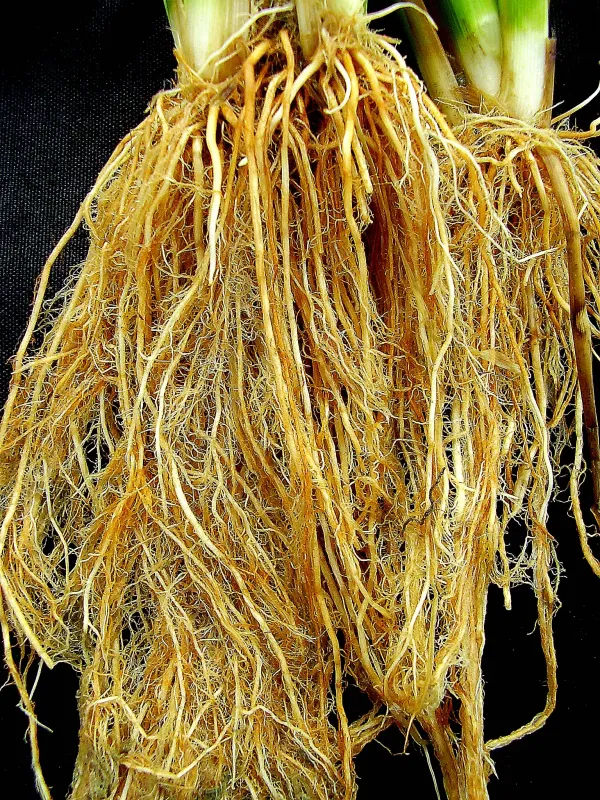
Upon examination, the roots display visible necrotic lesions, which initially appear as small brown spots but eventually expand to cover large sections of the root cortex.
Affected plants exhibit a poorly developed root system with few lateral roots, making them highly susceptible to lodging or uprooting during high wind or storms.
In addition to physical damage, the inability to take up nutrients results in delayed flowering and grain filling, significantly lowering the quality and weight of the harvest.
Under severe pressure, the plants show signs of acute water stress, wilting during the hottest parts of the day even if the soil moisture levels are adequate.
Control measures
Effective management of Hirschmanniella relies heavily on integrated pest management (IPM) practices, prioritizing non-chemical interventions wherever possible.
Crop rotation is one of the most effective strategies, involving the planting of non-host crops to starve the nematode population in the soil over several seasons.
Rigorous sanitation of agricultural equipment is essential to prevent the spread of soil and root residues containing nematodes from infested fields to clean areas.
The use of certified, clean planting material ensures that the initial crop establishment is free from internal nematode populations, reducing the risk of early-season infestation.
- Flooding and draining management to interrupt the nematode lifecycle
- Application of approved nematicides in high-value cases
- Biological control agents, such as nematode-trapping fungi
Taxonomy
- Latin name
- Hirschmanniella
- Order
- Nematodes
- Family
- Pratylenchidae
- EPPO code
- HIRSSP
Discussion
No discussions yet — be the first.