
Radopholus
Radopholus
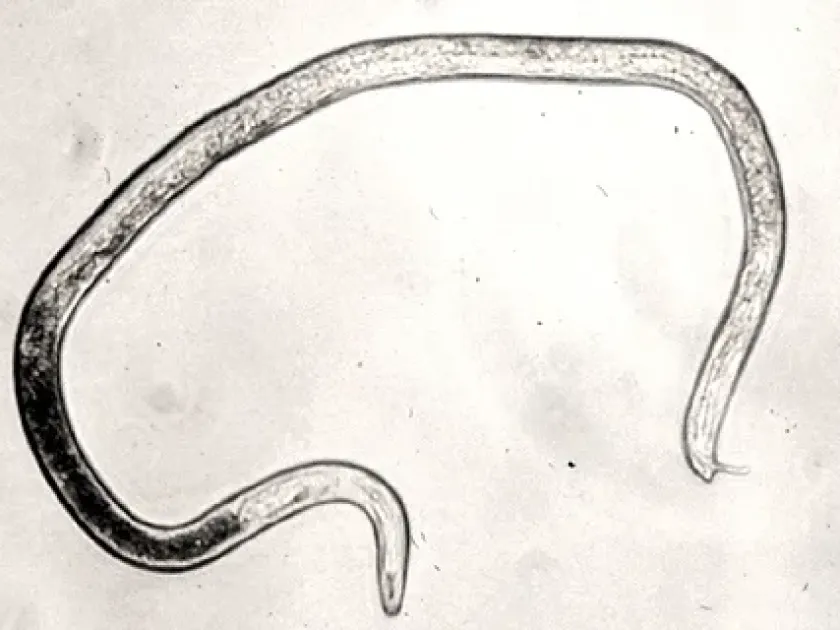
Description
How to identify
Radopholus (primarily Radopholus similis) is a genus of microscopic parasitic nematodes belonging to the order Tylenchida and the family Pratylenchidae. These organisms are endoparasites that penetrate deep into plant root tissues.
Physically, Radopholus individuals appear as thin, worm-like organisms about 0.5–0.8 millimeters in length. The nematode's body is translucent or yellowish, showing distinct sexual dimorphism: females are larger than males and possess a well-developed stylet used for puncturing plant cells.
The biology of this species is characterized by its ability to move through soil and also to parasitize root tissues for extended periods. The entire life cycle, from egg to mature adult, usually takes between 20 and 25 days, depending on environmental temperature.
Radopholus are obligate parasites, meaning they depend entirely on living plant tissues for nutrition. While their survival rate in soil without a host decreases, they can persist in root debris and moist substrates for some time.
Their high reproductive capacity allows Radopholus populations to quickly reach the economic injury level when conditions such as warm climate and high soil moisture are present.
What it damages
The main crops susceptible to Radopholus infestation include bananas, citrus, anthuriums, and many ornamental tropical plants. In temperate climates, this pest can affect a wide range of crops grown in greenhouses or protected facilities.
Nematodes enter the plant's root system through young root tips. Inside the root, they create cavities and burrows, destroying parenchyma tissue, which interrupts the absorption of essential nutrients and water.
The damage manifests as stunted growth of the plant's aerial parts, reduced total yield, and poor marketability of the produce. Heavily infested plants are often prone to secondary infections entering through damaged root tissues.
Mass reproduction of the nematode can cause lodging or complete collapse of the root system, which is particularly critical for perennial plantations. In citrus, this parasite is a frequent cause of so-called slow decline disease.
- Banana plantations (primary target).
- Citrus crops.
- Ornamental flowers (Anthurium, Gloxinia).
- Various tropical and subtropical species.
Signs of infestation
A primary sign of Radopholus infestation is delayed development and leaf chlorosis in affected crops. Plants appear stunted, and their growth rate decreases significantly, even when all agronomic requirements are met.
Upon examination of the root system, characteristic necrotic spots are observed, which eventually merge into extensive lesions. Roots often turn brown or black, become brittle, and frequently die off at the tips.
In perennial plants, a noticeable decline in the root system's anchorage capacity occurs. Due to severe root damage, trees or shrubs may easily tilt or fall over during strong winds.
In laboratory settings, the presence of Radopholus is confirmed by extracting nematodes from root and soil samples using suspension methods. Visually identifying the pest without specialized equipment is nearly impossible during the early stages.
Wilting during the hottest part of the day despite sufficient soil moisture is a classic indicator of severe phytoparasitic nematode damage in the root zone.
Control measures
The primary method for controlling Radopholus is the use of healthy, certified planting material that has undergone thermal treatment or quarantine inspection. The nematode is most commonly spread through infected seedlings.
Agronomic measures include strict crop rotation using non-host plants. Steam treatment or soil solarization is also effective for disinfecting soil before establishing new plantings in closed environments.
Chemical control involves the use of specialized nematicides, although their application is restricted in many countries due to high toxicity to soil microflora and the environment.
Biological control methods include the introduction of predatory fungi and entomopathogenic microorganisms into the soil, which can naturally reduce nematode population density in the root zone.
Constant monitoring of crop health and the removal and destruction of infested plants are mandatory procedures to prevent the pest from spreading throughout the entire farm or greenhouse area.
Taxonomy
- Latin name
- Radopholus
- Order
- Nematodes
- Family
- Pratylenchidae
- EPPO code
- RADOSP
Discussion
No discussions yet — be the first.