
Pear aphid
Pyraphis
Description
How to identify
The pear aphid (Pyraphis) belongs to the Aphididae family, a group of sap-sucking insects that are significant pests in temperate fruit orchards.
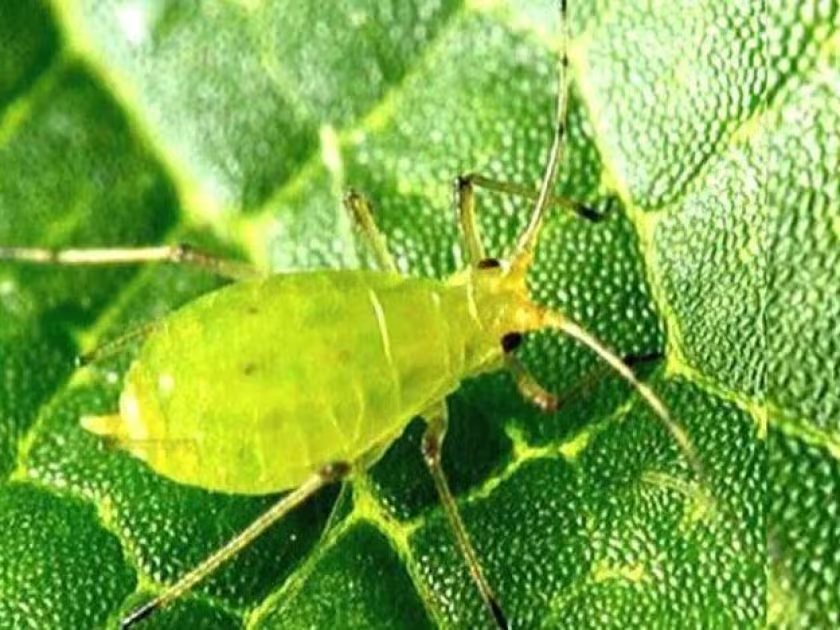
These insects are typically small, measuring about 2–3 mm in length, and vary in color from pale green to yellowish-brown, aiding in camouflage.
They possess a specialized mouthpart called a stylet, which they insert into the phloem of the host plant to extract nutrient-rich sap.
The life cycle involves both winged and wingless forms, allowing the population to rapidly expand and colonize different parts of the tree or adjacent plants.
Overwintering occurs in the egg stage, with eggs typically deposited in bark crevices or near the base of buds on pear branches.
What it damages
The primary host for this pest is the pear tree, where it targets succulent, newly developed leaves and young, tender shoots during the growing season.
Feeding activities cause localized damage, leading to leaf curling, stunted growth, and a general loss of vigor in the affected plant tissue.
As they feed, aphids excrete honeydew, a sugary substance that covers the foliage and promotes the growth of sooty mold, which inhibits photosynthesis.
Repeated attacks by aphid colonies can severely weaken young trees, resulting in reduced height, poor crown development, and diminished fruit yield.
Severe infestations during the flowering stage can cause direct damage to blossoms, leading to blossom drop and total loss of the potential crop.
When it appears
The season begins in early spring, synchronized with bud break, when overwintered eggs hatch into fundatrices (the first generation of larvae).
Throughout late spring and early summer, the population grows exponentially due to rapid parthenogenic reproduction, leading to massive colony build-ups.
High temperatures and dry conditions during mid-summer may trigger the production of winged forms, which migrate to disperse the infestation further.
As autumn approaches, the environmental cues trigger the production of sexual forms that mate and lay the overwintering eggs for the following year.
Depending on the climatic zone, the pest may go through multiple generations per season, making continuous monitoring essential for orchard health.
Signs of infestation
The most prominent sign is the twisting and curling of apical leaves, which serves as a protective habitat for the aphid colonies hidden inside.
The presence of ants is a reliable indicator of aphid activity, as ants tend the aphids to collect the nutrient-rich honeydew they produce.
Stunted and deformed shoot tips are common indicators of a sustained infestation that has hindered the tree's normal vertical and lateral growth.
The black, soot-like appearance on leaves is a secondary sign of damage caused by the accumulation of sooty mold growing on top of aphid honeydew.
- Curled and distorted young leaves.
- Visible colonies of small, green/yellow insects.
- Sticky honeydew coating on leaves and branches.
- Presence of ant trails along branches.
- Black sooty mold growth on foliage.
Control measures
Cultural control involves proper orchard sanitation, such as removing water sprouts and suckers where initial aphid colonies often establish.
Encouraging beneficial predator populations, such as lady beetles, lacewings, and hoverflies, is a sustainable way to keep aphid populations under control.
Application of horticultural oils or insecticidal soaps can be effective for localized control, especially if applied early before the leaves become tightly curled.
Systemic insecticides are recommended for large-scale infestations, provided they are applied during periods when pollinators are not active to prevent toxicity.
Regular scouting of orchards starting from the early spring is critical for timely intervention before the pest reaches a threshold that threatens crop production.
Taxonomy
- Latin name
- Pyraphis
- Order
- Hemiptera (bugs, aphids, leafhoppers)
- Family
- Aphididae
- EPPO code
- PIRASP
Discussion
No discussions yet — be the first.