
Painted leafhopper
Psammotettix lividellus
Description
How to identify
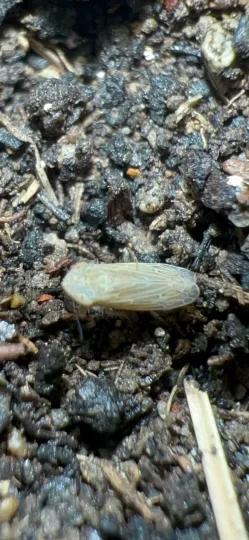
The painted leafhopper, scientifically known as Psammotettix lividellus, belongs to the Cicadellidae family. These insects are small, typically reaching 3 to 4 mm in length, and possess a pale yellowish body with distinctive brown markings on their wings.
Adult leafhoppers are excellent jumpers and fliers, making them highly mobile within agricultural landscapes. This mobility allows them to spread rapidly across large fields, complicating traditional control efforts.
The nymphs go through five developmental stages. While they lack wings, they are highly active and possess piercing-sucking mouthparts, which they use to feed on plant juices from an early developmental age.
The life cycle is closely tied to host plants, where females deposit eggs beneath the epidermis of leaves. This hidden oviposition protects the eggs from environmental stressors and many foliar insecticide sprays.
Identification in the field is usually performed using sweep nets to monitor population densities. Because of their small size and cryptic coloration, they are often difficult to spot during routine inspections.
What it damages
The primary host plants for Psammotettix lividellus include various cereal crops such as wheat, barley, rye, and oats. They are also known to colonize numerous wild grasses, which often serve as initial hosts.
The direct damage involves the extraction of plant nutrients, which stresses the plant and inhibits normal development. However, the indirect damage caused by the transmission of viral diseases is far more severe.
The leafhopper is a known vector for the wheat striate mosaic virus and other related plant pathogens. These viruses cause systemic infections that can lead to significant yield losses across entire fields.
Symptoms of infestation often appear as stunted growth, leaf discoloration, and poor tillering. In severe cases, the infected plants produce thin, weak stems with significantly reduced grain quality and quantity.
High infestation levels are especially dangerous for young seedlings in the autumn. The combination of pest feeding and virus transmission can lead to poor establishment and reduced winter hardiness in winter cereal crops.
When it appears
The activity of the painted leafhopper begins in the early spring as temperatures rise. The initial generations usually develop on overwintering wild grasses or volunteer cereal plants.
Throughout the growing season, multiple generations can occur, depending on the climatic conditions. Warm and dry weather is particularly favorable for rapid population growth and high reproductive rates.
In the autumn, adult leafhoppers migrate to newly emerged winter cereal crops. This migration is critical for the spread of viruses, as the insects move from infected mature plants to the susceptible young seedlings.
The insects overwinter primarily in the egg stage, embedded within plant tissues. This provides them with a survival strategy that allows them to withstand cold winter temperatures in the northern regions.
Field monitoring should be intensified during the spring emergence and the autumn establishment phase of cereals. These are the peak times when preventative measures are most likely to be effective.
Signs of infestation
Early signs of feeding include the appearance of small, light-colored stippling or spotting on the leaf blades. These marks are caused by the insect's mouthparts piercing the plant cells.
Viral infection symptoms often manifest as yellow, chlorotic streaks or mosaic patterns on the leaves. These patterns often follow the leaf veins and are a diagnostic feature of leafhopper-borne diseases.
Plants affected by the viruses often show significant signs of dwarfism or stunted architecture. The stems may be thinner than healthy plants, and the overall vigor of the crop is noticeably lower.
A sudden yellowing of patches within a field, in the absence of fungal pathogens, is a strong indicator of high leafhopper activity. It often signals that the pest population has reached a critical density.
Laboratory confirmation via PCR or ELISA tests is the only definitive way to distinguish between direct feeding damage and viral symptoms, which is essential for making informed management decisions.
Control measures
Effective management begins with strict field sanitation. Eliminating wild grasses and volunteer cereals around the fields reduces the available reservoirs for both the insects and the viruses they carry.
Systemic insecticides provide effective control when applied at the appropriate time. It is crucial to target the initial stages of colonization to prevent the transmission of viruses into the crop.
Using resistant or tolerant crop varieties is a cornerstone of an integrated pest management strategy. Such varieties can significantly reduce the negative impact of the leafhopper on the final harvest.
Crop rotation and spatial isolation of winter and spring cereals help to disrupt the lifecycle of the pest. By reducing the proximity of crops, farmers can decrease the probability of mass migration.
Monitoring using yellow sticky traps is a practical tool for assessing the presence of the pest. These traps allow growers to track population trends and determine when chemical intervention is necessary.
Taxonomy
- Latin name
- Psammotettix lividellus
- Order
- Hemiptera (bugs, aphids, leafhoppers)
- Family
- Cicadellidae
- EPPO code
- DELTLI
Discussion
No discussions yet — be the first.