
Protaphis
Protaphis
Description
How to identify
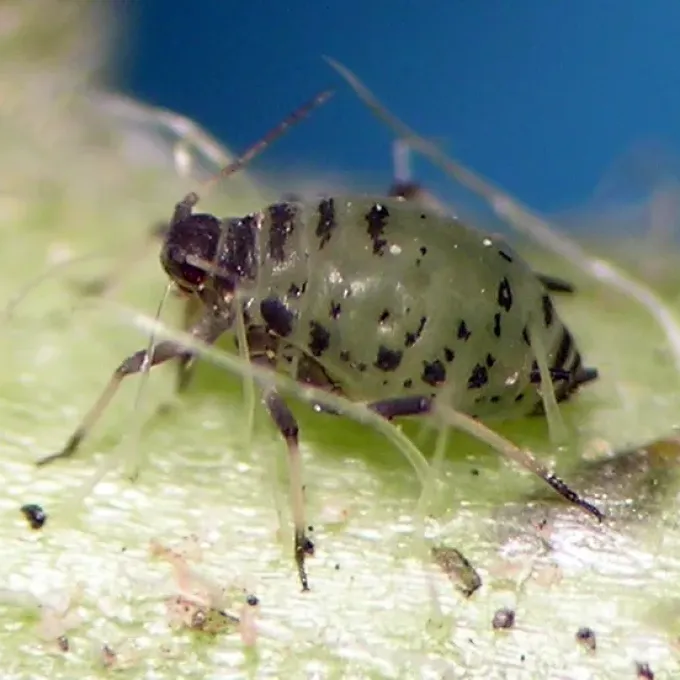
The genus Protaphis belongs to the Aphididae family, order Hemiptera. These insects are small, typically measuring between 1.5 and 2.5 mm, and display colors ranging from grayish-green to dark black.
Adults exhibit the characteristic pear-shaped body typical of most aphids. Key identification features include the length and shape of the siphunculi (tubes) on the abdomen and the structure of the cauda (tail), which require microscopic analysis for accurate species determination.
Populations consist of both apterous (wingless) and alate (winged) forms. The winged individuals are crucial for the dispersal of the colony to new host plants during the growing season.
Reproduction is largely parthenogenetic, allowing for rapid population growth. A single female can produce numerous nymphs, leading to a quick infestation of the host plant under favorable weather conditions.
These aphids overwinter mainly as eggs on perennial weeds or crop residues. Maintaining clean field margins and effective post-harvest soil management are essential for disrupting their overwintering cycle.
What it damages
Protaphis is a specialized pest that primarily targets members of the Asteraceae family. Crops such as sunflowers and safflower are the most frequent hosts for this aphid genus.
The insects feed by sucking sap from young leaves, stems, and flower buds. This feeding disrupts the plant's nutrient transport system and limits the vigor of the affected parts.
Direct damage manifests as stunted growth, curled leaves, and inhibited development of reproductive organs. Severe infestations can significantly reduce the photosynthetic capacity of the plants.
Protaphis serves as a vector for various plant viruses. Transmission occurs during feeding, and even minor infestations can lead to systemic viral diseases that compromise crop quality and yield.
The honeydew secreted by the aphids serves as a medium for sooty mold growth. This black fungus covers the leaf surface, further reducing photosynthesis and gas exchange, leading to leaf senescence.
Signs of infestation
The first visual indicator of a Protaphis infestation is the curling and distortion of young leaves, particularly at the growing points. The leaves lose turgor, become chlorotic, and eventually wither.
A closer inspection of the undersides of leaves and flower peduncles often reveals dense colonies of small, dark-colored aphids. They are usually clustered in lines along the veins.
The presence of a sticky substance (honeydew) on the plant surface is a reliable sign of active feeding. Increased ant activity on the plants is also a strong indicator of an aphid colony presence.
In the case of sunflower or safflower, flower heads may fail to develop properly or become severely malformed, resulting in significant yield losses and poor seed quality.
Patches of stunted, yellowed, and stressed plants within a field typically indicate established colonies, making them easy to spot during routine crop scouting.
Control measures
The primary control measure is the systematic management of weeds, specifically Asteraceae species, which act as primary reservoirs for these aphids during the early season.
Implementing crop rotation helps break the life cycle of the pest. Avoiding the planting of susceptible crops in the same field for consecutive years reduces the likelihood of heavy infestations.
When the economic threshold is reached, chemical control using systemic insecticides is recommended. Systemic products are superior as they protect new growth and are effective against aphids that are difficult to contact directly.
Integrated Pest Management (IPM) should prioritize the conservation of natural enemies, such as lady beetles, lacewings, and parasitic wasps, by selecting selective insecticides when possible.
Balanced nutrient management is crucial. Avoid excessive nitrogen applications, as this promotes succulent tissue growth, which is highly attractive to aphids and increases their reproductive rate.
Taxonomy
- Latin name
- Protaphis
- Order
- Hemiptera (bugs, aphids, leafhoppers)
- Family
- Aphididae
- EPPO code
- PRTASP
Discussion
No discussions yet — be the first.