
Procladius
Procladius
Description
How to identify
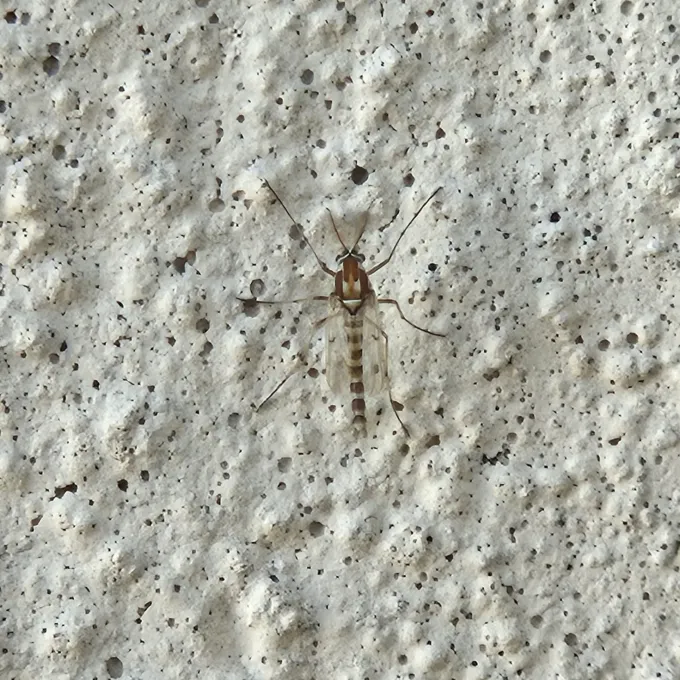
Procladius is a genus of flies belonging to the family Chironomidae (non-biting midges). Unlike many species in this family that feed on plants or debris, these larvae are active predators.
Adult midges are short-lived and do not feed, but the larvae occupy the bottom substrate of aquatic environments, moving actively to hunt for small invertebrates.
The larvae are characterized by a reddish or brownish color, distinct body segmentation, and specialized mouthparts adapted for grasping prey in the water.
Taxonomically, they belong to the order Diptera, family Chironomidae, and subfamily Tanypodinae. While they are a natural part of aquatic ecosystems, their presence in agricultural fields can turn them into a pest issue.
Identification of the genus usually requires microscopic examination of the larval mouthparts, making field diagnosis challenging for those without specialized entomological equipment.
What it damages
The primary agricultural damage is caused during the rice germination stage and early seedling development, where larvae feed on tender plant tissues.
The predatory behavior of the larvae leads to the destruction of root systems and young shoots, which are particularly vulnerable while the fields are flooded.
Their activity can negatively impact the soil's biological health, as they consume beneficial microorganisms and small organisms that contribute to nutrient cycling in the mud.
High infestation levels are typically observed in fields with high organic matter content in the silt, which creates an optimal habitat for the population to thrive.
In cases of severe infestation, the crop may show reduced density, forcing farmers to re-seed specific areas of the field, which leads to increased production costs.
When it appears
The appearance of Procladius larvae is closely tied to the seasonal flooding of rice paddies, as they require a permanent water layer for their life cycle.
Population spikes occur during the spring months when water temperatures rise to approximately 15-18 degrees Celsius, coinciding with the rice sowing season.
The larvae maintain activity throughout the entire vegetative period as long as the irrigation water is maintained, ensuring a continuous presence of the pest.
The life cycle is quite rapid, allowing several generations to emerge within a single season, maintaining persistent pressure on the developing crop.
Periodic drainage of the fields acts as a natural control factor, as larvae are unable to survive in dry conditions, which disrupts their development and reduces total counts.
Signs of infestation
A primary indicator of infestation is the emergence of patchy, thin areas in the rice field where seeds have failed to sprout or seedlings have died.
Close observation of the submerged seedlings often reveals damage marks or shredded tissue, which distinguishes them from typical fungal seedling diseases.
In soil or silt samples taken from the field, one can observe active, reddish-colored larvae moving along the surface of the mud.
- Thinning of crop stands in flooded areas.
- Mortality of seedlings prior to reaching the water surface.
- Presence of reddish larvae in silt samples.
If seedlings are dying without signs of rot or pathogens, an examination of the water-soil interface is necessary to determine if predatory larvae are present.
Control measures
Effective management begins with proper field preparation, specifically drying the soil thoroughly before flooding to significantly reduce the larval population.
Agricultural practices such as strategic water management, including temporary draining, can suppress larval development and minimize potential damage.
Chemical control involves the application of registered insecticides designed for aquatic environments, which are effective in controlling midge populations in rice fields.
Promoting a balanced ecosystem by encouraging natural predators and fish, where compatible, can help keep the pest population within tolerable limits.
Field monitoring before planting is essential to assess the risk level and decide whether protective measures are required to secure the potential harvest.
Taxonomy
- Latin name
- Procladius
- Order
- Diptera (flies)
- Family
- Chironomidae
- EPPO code
- PRCLSP
Discussion
No discussions yet — be the first.