
Non-biting midge
Chironomus riparius
Description
How to identify
The non-biting midge, scientifically known as Chironomus riparius, belongs to the family Chironomidae, order Diptera. These adult insects resemble mosquitoes but lack biting mouthparts and are essentially harmless to humans.
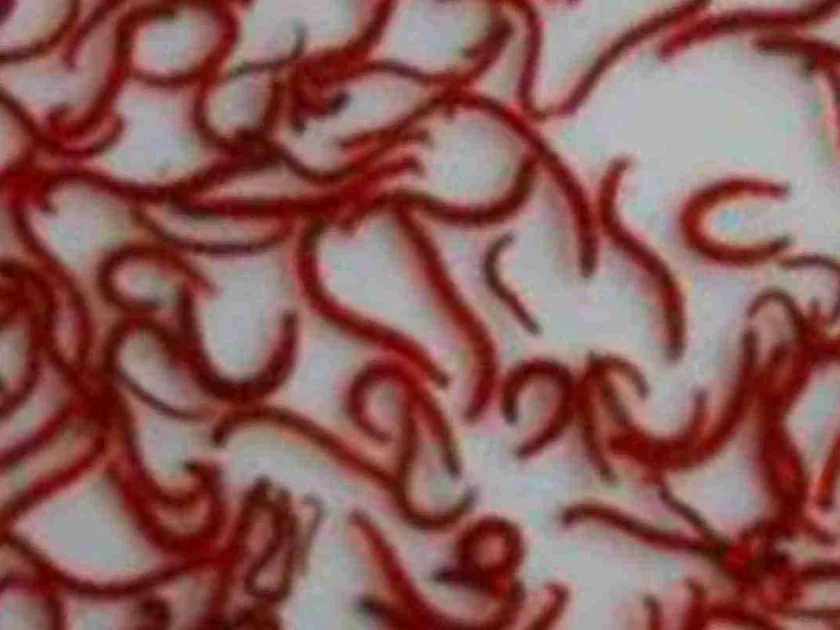
Their larvae, often referred to as bloodworms, are bright red due to hemoglobin-based blood, which allows them to thrive in low-oxygen environments like muddy sediments or waterlogged soil.
The lifecycle consists of egg, larva, pupa, and adult stages. Adults are short-lived, with their primary biological function being reproduction and laying eggs in moist habitats.
While often regarded as beneficial in aquatic food webs, in agricultural contexts, their larvae can become problematic pests in moist, organic-rich growing media.
Proper identification is crucial; their characteristic swimming motion and presence in saturated soil are key indicators that distinguish them from other soil-borne insects.
What it damages
The primary damage is caused by larvae in greenhouse conditions, hydroponic systems, or field areas with poor drainage and excessive moisture.
Larvae consume the tender roots and basal stems of young seedlings, including vegetables such as lettuce, cucumbers, and tomatoes, causing stunted growth.
Direct damage to the root system inhibits water and nutrient uptake, leading to visible wilting and potentially the total collapse of the young plant.
Feeding sites created by the larvae often become entry points for various soil-borne pathogens, leading to secondary infections and root rot diseases.
In high-density cultivation, even minor infestations can lead to significant economic losses due to the uneven stand establishment and plant mortality.
When it appears
The flight and reproductive period for adults typically spans from spring to late summer, peaking during warmer weather conditions.
In temperature-controlled greenhouses, the development cycle can continue throughout the year if moisture and food sources are consistently available.
Infestations are most noticeable following periods of heavy rain or intensive irrigation, which expand the available breeding habitats.
Seedlings are at the highest risk during the first few weeks after emergence, when the root system is delicate and highly susceptible to larval feeding.
Environmental conditions that favor rapid evaporation reduction and surface moisture accumulation act as primary drivers for seasonal population spikes.
Signs of infestation
The most common indicator is the unexplained wilting or failure of young plants to thrive despite adequate water availability in the substrate.
Inspection of the root zone often reveals the presence of small, red, worm-like larvae nestled among the roots or within the moist soil particles.
The presence of silken, tube-like structures or muddy housings on the surface of the soil near the base of the plant is a diagnostic sign of larval activity.
Uneven germination and growth patches throughout the crop often signal that the larvae are localized in areas with higher soil moisture levels.
Microscopic inspection of damaged roots will show visible tunnels and necrotic tissue patterns consistent with feeding damage caused by Chironomidae larvae.
Control measures
Managing soil moisture is the most effective cultural control method; ensuring proper drainage prevents the development of suitable larval habitats.
Strict sanitation practices, such as removing decomposing plant matter and cleaning drainage systems, significantly reduce the population of developing larvae.
The use of fine-mesh screening on greenhouse vents can effectively prevent adult midges from entering the facility to lay their eggs.
Where necessary, specific soil-applied insecticides can be used to manage larval populations in growing media before transplanting or sowing.
Integrated pest management strategies should focus on substrate quality and irrigation efficiency to discourage the establishment of these pests.
Taxonomy
- Latin name
- Chironomus riparius
- Order
- Diptera (flies)
- Family
- Chironomidae
- EPPO code
- CHIRRI
Discussion
No discussions yet — be the first.