
Ash root aphid
Prociphilus kuwanai
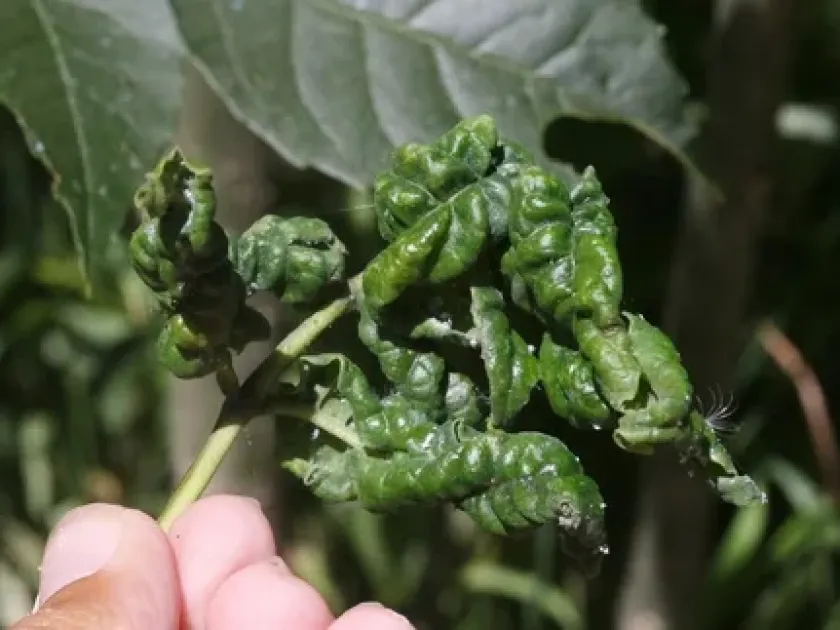
Description
How to identify
The ash root aphid (Prociphilus kuwanai) is a specialized insect pest from the Aphididae family. It is known for its subterranean lifestyle, where it primarily infests the root systems of ash trees (Fraxinus spp.).
These aphids are easily recognized by the white, fluffy, wax-like substance they produce, which covers their colonies. This material protects them from environmental factors and mimics fungal growth on the roots.
The life cycle involves alternating between primary hosts (ash trees) and secondary hosts, which may include various coniferous species. This complexity allows the pest to exploit different ecological niches throughout the year.
During the dormant season, the population persists as eggs or early-instar nymphs sheltered in crevices of the bark at the base of the tree or in the upper soil layers, waiting for the spring trigger to resume feeding.
Reproduction occurs both sexually and parthenogenetically, which facilitates rapid population growth during the spring and summer months when environmental conditions favor the development of large, dense colonies.
What it damages
The primary damage is caused by the aphid's feeding on the sap of young rootlets. This deprives the tree of essential water and nutrients, leading to a visible decline in the overall vigor of the ash tree.
Infested trees often show symptoms of water stress even when soil moisture is adequate. Chronic infestation results in reduced annual growth, stunted development of nursery saplings, and general chlorosis of the foliage.
The roots damaged by aphid feeding become susceptible to secondary infections by soil-borne fungi and pathogens, which can cause severe root rot. This can lead to the death of the tree, especially during periods of drought.
In forest environments, the aphid is considered a significant pest that can weaken stands, making them more vulnerable to other biotic and abiotic stressors, such as climate fluctuations or wood-boring insects.
Young ash trees in nurseries are at the highest risk, as their limited root systems are easily overwhelmed by large aphid colonies, frequently resulting in significant economic losses for producers.
Signs of infestation
One of the earliest signs of infestation is a general lack of vitality in the tree, characterized by sparse foliage, early yellowing, and premature leaf drop during the summer season.
Direct inspection of the base of the trunk and the immediate root zone often reveals white, cottony patches. These are clear indicators of the presence of the aphid colonies feeding on the shallow roots.
The presence of aggressive ant activity around the base of the tree is a strong indicator of aphid presence. Ants are known to tend these aphids to harvest their honeydew secretions, providing protection against predators.
During peak migration times, winged adults can be seen flying around the base of the host plants, searching for new sites to establish colonies or moving towards their secondary host plants.
Soil quality changes can also be a sign, as the heavy infestation leads to a decline in root health, which can be evidenced by the tree's inability to maintain its canopy in response to seasonal environmental changes.
Control measures
Effective control strategies involve the use of systemic insecticides that can be applied as a soil drench. This method ensures that the active ingredients are absorbed by the roots, directly targeting the feeding aphids.
Promoting tree health through proper irrigation and balanced fertilization is a critical preventive measure. A healthy, vigorous tree is better equipped to tolerate and recover from root-feeding pest pressure.
Biological control agents, such as lady beetles, lacewings, and parasitic wasps, play a significant role in suppressing aphid populations. Management practices should aim to protect these natural predators from broad-spectrum pesticide exposure.
Sanitation of the area around the tree is important to minimize secondary host sites and maintain an unfavorable environment for aphid migration. Removing weeds and clearing mulch from the trunk base can help.
- Use systemic soil drench applications with neonicotinoids or similar insecticides.
- Conduct regular monitoring of root zones during early spring.
- Manage ant populations to prevent them from protecting the aphid colonies.
- Maintain adequate soil moisture to prevent tree stress.
Taxonomy
- Latin name
- Prociphilus kuwanai
- Order
- Hemiptera (bugs, aphids, leafhoppers)
- Family
- Aphididae
- EPPO code
- PROCKW
Discussion
No discussions yet — be the first.