
False root-lesion nematode
Pratylenchus fallax
Description
How to identify
The false root-lesion nematode (Pratylenchus fallax) belongs to the phylum Nematoda, class Secernentea, order Tylenchida, and family Pratylenchidae. It is a microscopic, soil-borne endoparasite that colonizes the root cortex of various host plants.
Unlike sedentary nematodes, Pratylenchus fallax is a migratory endoparasite. This means the worm remains mobile throughout its life, moving through root tissues, causing damage as it feeds and shifts to healthy parts of the root system.
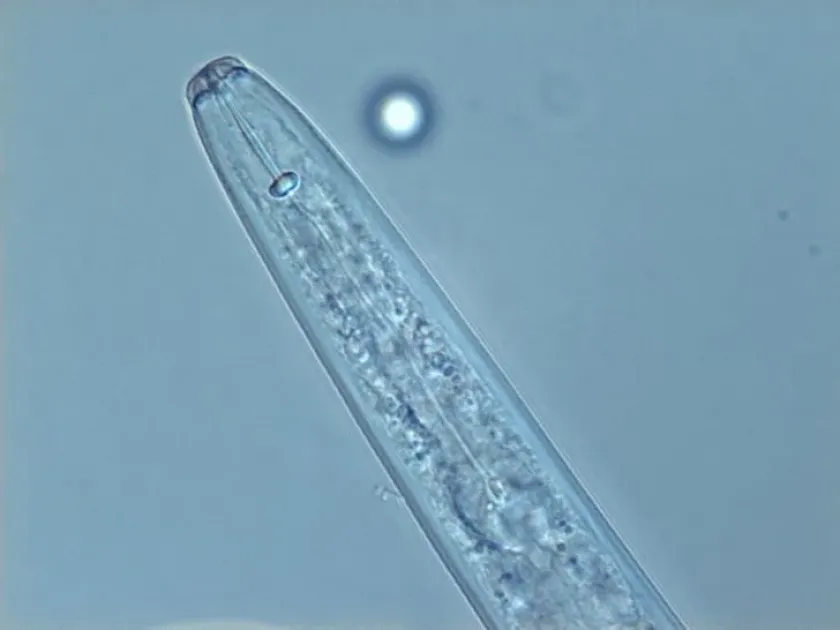
Adult worms are typically worm-shaped, ranging from 0.4 to 0.7 mm in length. They are equipped with a specialized feeding structure called a stylet, which they use to pierce cell walls and consume the contents of the plant's root cells.
The life cycle involves eggs laid in the soil or within root tissue. Once hatched, the juvenile stages (larvae) progress through several molts before reaching adulthood. The entire process occurs largely hidden within the soil environment or internal root structures.
This species is highly adaptable and can survive in a wide variety of soil types. It is particularly persistent, capable of remaining in the soil for extended periods even when suitable host crops are absent.
What it damages
Pratylenchus fallax has a broad host range, making it a significant threat to agriculture. It commonly attacks potatoes, cereals (wheat, barley), maize, sugar beets, and various vegetable crops, leading to significant yield losses.
Beyond field crops, this nematode also threatens ornamental plants and tree nurseries. It is capable of thriving in both open field conditions and controlled environments like greenhouses, where it can spread rapidly.
The primary damage occurs as the nematode feeds on root cortex cells. This feeding disrupts the plant's ability to uptake water and essential nutrients, leading to stunted growth, reduced vigor, and poor development of the overall crop stand.
The destruction of root tissue also creates openings for secondary pathogens, such as soil-borne fungi and bacteria. This complex interaction often leads to severe root rot diseases, which can be more devastating than the direct nematode damage itself.
Economic damage is twofold: it includes direct loss in crop biomass and quality, as well as the long-term impact of increased soil infestation levels that restrict future planting options for sensitive crops.
Signs of infestation
The most visible sign of infestation in the field is the appearance of patches of stunted or chlorotic plants. These patches often show irregular patterns that do not correlate with field fertility or soil moisture levels.
Plants may exhibit wilting during the hottest parts of the day, even when soil moisture is adequate. This is a clear indicator that the damaged root system is failing to support the plant's transpiration requirements.
When roots are excavated and examined, they often show brown lesions, streaks, or necrotic areas. In severe cases, the roots appear pruned or lack the abundance of fine lateral root hairs necessary for nutrient absorption.
Above-ground, plants may show symptoms of nutrient deficiency, such as yellowing leaves or premature senescence, despite adequate fertilization, as the damaged roots simply cannot transport the necessary elements to the foliage.
Definitive diagnosis requires professional phytopathological analysis. Laboratory testing of soil samples and root tissue is essential to distinguish Pratylenchus fallax from other nematode species that may cause similar symptoms.
Control measures
Effective management begins with strict crop rotation. Avoiding host crops for several years can significantly reduce the nematode population density in the soil to levels that are no longer economically damaging.
Good agricultural hygiene is paramount. This includes using certified, nematode-free planting material, disinfecting farm machinery between fields, and controlling weeds that may act as alternative hosts for the nematode.
Deep plowing and proper management of post-harvest crop residues help to reduce the survival of the nematode. Removing debris limits the food source for the population remaining in the soil after the main harvest.
Biological control methods are gaining traction, including the use of beneficial microbes or antagonists that prey on or inhibit nematodes. Maintaining high organic matter levels in the soil supports these beneficial organisms.
- Use of bio-fumigant cover crops like mustard or oilseed radish to suppress population levels.
- Application of biological nematicides based on antagonistic fungi.
- Regular soil testing to monitor population trends and make informed decisions on planting and treatment.
Taxonomy
- Latin name
- Pratylenchus fallax
- Order
- Nematodes
- Family
- Pratylenchidae
- EPPO code
- PRATFA
Discussion
No discussions yet — be the first.